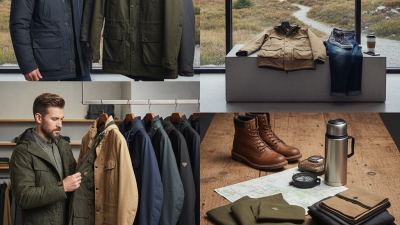
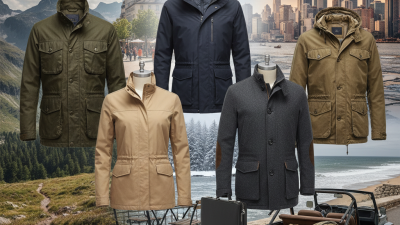
Choosing a Field Jacket supplier in 2026 means looking beyond a convincing sample. A jacket may feel substantial on a showroom rack, yet fail after repeated wear. Check the details: seam consistency, zipper operation, pocket reinforcement, fabric weight, and how the collar holds its shape. Ask for production samples, written specifications, and clear records showing where materials come from. Small checks matter.
The sourcing stakes are substantial. Textile Exchange’s Materials Market Report 2024 estimates that global fiber production reached 124 million tonnes in 2023, with polyester accounting for about 57 percent. Those figures do not measure Field Jacket quality, but they show why material choice and traceability deserve careful scrutiny. Orsola de Castro, co-founder of Fashion Revolution, has said, “The most sustainable garment is the one already in your wardrobe.” Her point offers a useful test: will the supplier help make a jacket that lasts, rather than one that merely looks durable?
Compare suppliers on defect controls, sample-to-bulk consistency, communication, lead times, and documented material claims. Request test results relevant to your intended use, and confirm how changes are approved before production. A low quote can look attractive. It can also conceal costs in rework, delays, or inconsistent finishing. No single checklist guarantees a dependable partnership. Verify claims, ask follow-up questions, and record what remains uncertain. A good supplier should welcome that scrutiny.

Before contacting a field jacket supplier, define where and how the jacket will be worn. A city commuter may need a lighter shell, secure pockets, and a clean fit over office clothes. For outdoor work, abrasion resistance, room for layering, and adjustable cuffs may matter more. Note the expected weather, wear frequency, and preferred length. Small details change the pattern and cost.
Describe the target customer with practical specifics, not just “outdoor enthusiasts.” Consider typical activities, climate, body-size range, and the price customers will accept. A jacket for mild, wet winters needs different insulation and fabric than one for cool, dry conditions. Decide which features are essential and which are optional. Pocket count sounds simple, but extra pockets can add bulk and slow production.
Bring these requirements to supplier discussions and ask how they will be checked in a sample. Request fabric weight, lining details, zipper specifications, and finished garment measurements. Test a sample with the layers customers would actually wear, then inspect movement, stitching, and pocket access. It is easy to over-specify. I have seen teams prioritize rugged fabric before checking whether customers will tolerate the weight. Leave room to revise the brief after sample wear tests, and record why each change is made.
| Planning Dimension | Target Market or Use Case | Requirements to Define | Supplier Evidence to Request |
|---|---|---|---|
| Customer and end use | Outdoor lifestyle, workwear, travel, uniform, or fashion retail | Identify the wearer, typical activity, expected wear frequency, and whether the jacket is ordinary apparel or protective equipment. | Comparable product samples, construction details, and a written confirmation of the supplier’s experience with the intended use. |
| Climate and season | Cool and dry conditions, windy weather, frequent rain, or changeable shoulder seasons | Specify expected temperature range, rainfall exposure, wind exposure, layering needs, and intended season. Avoid describing a garment as waterproof unless its construction and test results support that claim. | Fabric specifications and relevant test reports for the selected fabric and finished garment. Confirm that reported results apply to the actual proposed material. |
| Shell fabric | Everyday casual use or more demanding outdoor and work applications | Set fiber composition, fabric weight, weave, hand feel, durability expectations, and any required water-repellent or wind-resistant finish. | Fabric data sheet, composition details, finish information, and a pre-production swatch for approval. |
| Lining and insulation | Lightweight layering, cool-weather wear, or a warmer seasonal style | Define whether the jacket is unlined, lined, or insulated; specify lining material, insulation type if used, and fit over intended base or mid-layers. | Material samples, garment construction details, and a sample assessed over the intended layers. |
| Fit and sizing | Local-market sizing, inclusive size ranges, or uniform fit requirements | Provide a measurement chart, fit preference, size range, ease allowance, sleeve length, and grading expectations. State the measurement method and tolerances in the product specification. | Size-set samples or measurements across the size range, plus a documented grading and measurement process. |
| Functional design | Commuting, outdoor activity, field work, or general casual wear | Specify pocket count and placement, closures, cuffs, collar, hood, vents, adjusters, and reinforcement areas. Check that features suit the task and do not obstruct movement. | Annotated tech pack, sample review, and confirmation of component and construction specifications. |
| Durability and care | Frequent-use products or garments expected to be laundered regularly | Define care instructions and performance expectations for seams, closures, color, and fabric after the intended care process. | Applicable test reports. ISO 6330 describes domestic washing and drying procedures; ISO 105-X12 addresses color fastness to rubbing; ISO 12947 covers abrasion testing using the Martindale method. Agree on methods and acceptance criteria before production. |
| Weather and safety claims | Rainwear, high-visibility workwear, or other products marketed with protective claims | Determine whether the intended market and use require specific protective performance. Ordinary field jackets should not be represented as certified protective equipment without the required assessment. | For relevant products, request reports and conformity documentation for the applicable market and garment. EN 343 relates to protective clothing against rain; EN ISO 20471 relates to high-visibility clothing. Applicability depends on product design and intended use. |
| Chemical and market compliance | Sales in the European Union or other regulated destination markets | Identify destination-country rules, restricted substances, labeling obligations, and any product-specific requirements before ordering. | Material declarations and relevant test documentation. For EU sales, assess applicable obligations under REACH; confirm requirements for the specific materials and market rather than relying on a general claim of compliance. |
| Branding and labeling | Private-label retail, uniforms, or unbranded product ranges | Specify labels, care instructions, fiber-content information, packaging, artwork, and placement. Confirm language and labeling rules for each destination market. | Artwork proofs, label samples, packaging specifications, and approval records before bulk production. |
| Order planning | First launch, replenishment program, or seasonal collection | Set target order quantity, color and size breakdown, required delivery window, forecast assumptions, and rules for handling changes or repeat orders. | Written quotation with minimum order quantities, lead-time assumptions, sample charges, payment terms, and reorder conditions. Confirm all details in the purchase agreement. |
| Quality control | Any market where consistent sizing, appearance, and function matter | Define approval samples, measurement tolerances, inspection stages, defect categories, and acceptable limits before production begins. | Documented inspection plan, in-line and final inspection records, and a process for corrective action and re-inspection. |
| Supplier selection | Shortlisting and comparing manufacturing partners | Compare technical capability, communication, traceability, capacity, quality systems, and ability to meet the agreed specification—not price alone. | Factory capability information, references where available, sample performance, clear written answers, and evidence supporting relevant claims. |
Note: Standards and legal requirements depend on the product, intended claims, and destination market. Confirm current requirements and agreed test methods before placing a production order.