How to Choose the Right Kids Jackets for Every Season?

Choosing the right Kids Jackets is less about buying one heavy coat and more about matching protection to a child’s day. A damp school walk, a windy playground, and a snowy weekend call for different layers. The jacket should keep rain or cold out without restricting small arms as they climb, run, and zip their bags. Comfort matters. So does fit.

The Outdoor Industry Association’s 2024 Outdoor Participation Trends Report counted 175.8 million Americans taking part in outdoor recreation in 2023. That figure is not a measure of children’s jacket sales, but it shows how many people spend time outdoors. For families, weather-ready clothing can make those outings easier. Patagonia founder and outdoor-industry pioneer Yvon Chouinard wrote, “The more you know, the less you need.” Applied to children’s outerwear, that idea favors a useful layering system over an overstuffed closet. A breathable shell, warm midlayer, and season-appropriate base layer can cover changing conditions.

Small details matter. Check whether cuffs fit over gloves, the hood stays put, and the hem covers the back when a child bends. Look for easy fasteners and room to move, not just extra length for growth. Yet no jacket suits every climate, child, or activity. That is worth remembering. This guide will compare seasonal fabrics, insulation, weather protection, fit, and care, while noting where a practical choice may still involve trade-offs.
How to Choose the Right Kids Jackets for Every Season?

Identify the Weather and Activity Needs of Each Season

How to Choose the Right Kids Jackets for Every Season?

Identify the Weather and Activity Needs of Each Season

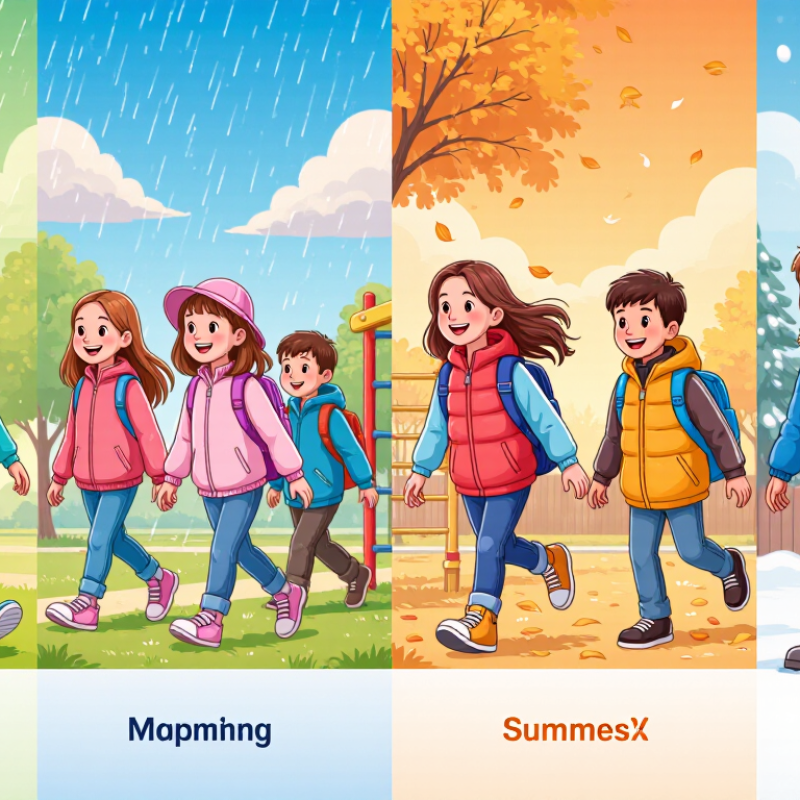
A jacket should match the day’s conditions, not just the calendar. In spring, expect cool mornings, sudden showers, and muddy walks to school. A lightweight, water-resistant shell works well over a sweater. Summer evenings may turn breezy, so a thin layer can help without trapping too much heat. Kids rarely stay still.

Autumn often brings wind and changing temperatures. Look for a jacket with room for a warm mid-layer, especially for outdoor play or long waits at the bus stop. In winter, choose insulation suited to local temperatures, plus cuffs and a hood that help keep cold air out. For sledding or wet snow, water resistance matters; for quick car trips, a bulky coat may feel awkward. Check that your child can move their arms comfortably.

Tips: Think about the activity as well as the forecast. A playground jacket needs flexible sleeves and secure pockets; a rainy walk calls for a hood that stays put. Check the weather before dressing, and let your child try the jacket with their usual layers. I’ve sometimes packed an extra layer and not needed it, but guessing wrong on a windy day feels worse.

Choose Kids’ Jackets for Every Season

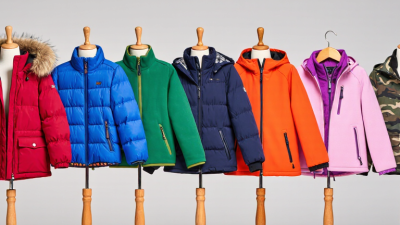
Match the jacket to local weather and the day’s activities: choose breathable, lightweight layers for active spring and fall days, sun protection for summer, and warm, wind-resistant, water-resistant outerwear for cold winter play. Conditions vary by location, so check the forecast and layer as needed.

Compare Jacket Materials, Insulation, and Breathability

A good kids’ jacket balances weather protection with room to move. For a rainy spring day, a tightly woven shell with a water-resistant finish can help keep light showers off. Check the seams and zipper area, where water may sneak through. A fully waterproof shell is useful in sustained rain, but it can feel clammy during active play if it breathes poorly.

Insulation matters when temperatures drop. Synthetic fill keeps some warmth when damp and is often practical for snow play. Down is light and compressible, but loses much of its insulating ability when wet. Fleece works well as a mid-layer in cool, dry conditions, though it will not block wind on its own. Not too bulky. Let your child bend their elbows and reach overhead; warmth is less useful if the jacket restricts movement.

Breathability helps release heat and moisture from running, climbing, and walking to school. Look for ventilation features, such as a mesh lining or adjustable cuffs, and consider whether the child will wear layers underneath. A breathable shell may still feel warm during vigorous play, so easy-to-open zippers matter. I have seen sizing judged by sleeve length alone, and that can be misleading. Check the shoulders and hem too, while leaving enough room for a sweater without making the jacket floppy.

Choose a Fit That Supports Movement and Layering

A good kids’ jacket should leave room for movement without hanging like a tent. Check the shoulder seams: they should sit near the shoulders, not halfway down the arms. With the jacket zipped, ask your child to reach overhead, hug themselves, and bend to pick up a shoe. The fabric should not pull tightly across the back or chest. No pinching.

Try it over the layer your child is most likely to wear, such as a sweatshirt or thin fleece. Sleeves should cover the wrists when arms are raised, but cuffs should not slide over the hands. A little room at the waist helps trap warm air and makes dressing easier. Too much extra fabric, though, can bunch under a backpack or catch on playground equipment.

Fit checks can feel fussy, especially with a child who would rather run than stand still. Still, a brief movement test often reveals more than a quick glance in the mirror. If the jacket works with one thin layer but feels tight over a sweater, consider a roomier cut rather than buying several sizes too large. Keep comfort in mind, and check care and weather guidance on the garment label.

Check Seasonal Features for Rain, Wind, Cold, and Sun

Rain, wind, cold, and sun call for different jacket details, not just different thicknesses. For rainy days, look for a water-resistant shell, covered zippers, and sealed seams; droplets should bead rather than soak through. A hood with a small brim helps keep water off the face. For windy weather, a close-fitting collar and adjustable cuffs reduce drafts, while a lightweight shell is easier to wear over a sweater. Fit matters.

Cold-weather choices depend on layers and local conditions. A roomy jacket can hold a warm mid-layer, but sleeves that drag over the hands may get wet and uncomfortable. The U.S. National Weather Service wind-chill chart notes that exposed skin can face frostbite risk in about 30 minutes at a wind chill of -19°F. That is a useful warning, not a perfect forecast for every child. Too much bulk can also restrict play.

For sunny days, check the garment’s UPF rating and keep a brimmed hat handy. The World Health Organization’s Global Solar UV Index guide recommends sun protection when the UV Index reaches 3 or higher. The Skin Cancer Foundation says UPF 50 fabric blocks about 98% of UV radiation. Coverage still matters: gaps at the neck and wrists leave skin exposed, and wet or stretched fabric may offer less protection. A jacket can feel reassuring, but it is not a substitute for checking the day’s weather.

Review Safety, Care, and Durability Before Buying

A safe jacket should move with a child, not snag or restrict them. Check the hood, neck, and waist for long, loose cords; avoid dangling loops that can catch on playground equipment. The U.S. Consumer Product Safety Commission recorded 26 deaths and 73 nonfatal incidents involving children’s outerwear drawstrings from 1985 through 2015. That history makes small design details worth checking. Try the jacket with a sweater underneath, and make sure cuffs stay put without covering the hands.

Care labels are practical buying guides. Check whether the jacket can be machine-washed, whether its insulation needs special handling, and whether closures should be fastened before washing. The IUCN’s 2017 report estimated that synthetic textiles accounted for 34.8% of primary microplastics entering the ocean. Fiber shedding varies by material and wash conditions, so avoid assuming every “easy-care” fabric behaves alike. Wash only when needed and follow the label.

Durability shows up in the details: reinforced seams, smooth-running zippers, sturdy snaps, and cuffs that do not stretch after a gentle tug. I still find it easy to mistake bulk for durability. It isn’t proof. Check likely wear points, especially elbows and pocket edges, and look for a fabric that can handle a small repair. A jacket that survives repeated washes may be more useful than one that feels impressive on the hanger.

How to Choose the Right Kids Jackets for Every Season? — Review Safety, Care, and Durability Before Buying

Season and Conditions Jacket Type Features to Look For Safety Checks Care and Durability
Spring
Cool, changeable weather with occasional rain
Lightweight rain jacket or water-resistant shell Adjustable cuffs, a hood that stays in place, and room for a light layer underneath. A breathable design can help reduce heat and moisture buildup during active play. Choose a comfortable fit that does not restrict movement or block vision. Check that hood and neck areas are free of long cords. Follow the care label. Close zippers and fasteners before washing, and check seams and closures periodically for wear.
Summer
Cool evenings, wind, or light showers
Lightweight windbreaker or packable shell Low-bulk fabric, easy-to-use closures, and a design that can be carried when not needed. Water resistance is useful for light showers but does not necessarily mean waterproof. Make sure the jacket does not snag on play equipment. Avoid loose or trailing cords, especially around the hood and neck. Wash only as directed on the garment label. Air-dry if recommended, and store the jacket clean and completely dry.
Autumn
Cooler temperatures, wind, and frequent rain
Insulated water-resistant jacket or layered shell Consider a removable mid-layer for changing conditions. Look for a secure front closure, covered seams where appropriate, and cuffs that help limit drafts. Check that the child can move freely and that the hood does not obstruct peripheral vision. Reflective details can improve visibility in low light but do not replace supervision. Inspect stitching, pocket edges, zippers, and snaps. Repair small problems early, and use detergents and drying methods suitable for the fabric.
Winter
Cold, wind, snow, or freezing rain
Insulated winter jacket, selected for local conditions Look for insulation appropriate to the weather, a wind-resistant outer layer, and enough space for comfortable layering without a restrictive fit. A water-resistant or waterproof outer fabric may help in wet snow. Keep cords and toggles away from the neck area. Check that sleeves and hems do not interfere with walking, play, or the use of safety equipment. Follow the label carefully; insulation and weather-resistant finishes may need specific washing and drying. Check for flattened insulation, damaged seams, and failing closures.
Across Seasons
Layering and everyday use
Adjustable layers rather than one jacket for every condition Choose layers that can be added or removed as weather and activity change. A good fit should allow movement and leave room for the clothing the child will wear underneath. For young children, avoid jackets with long drawstrings around the hood or neck. Recheck fit as the child grows, and remove damaged or loose parts. Check the care label before washing, and inspect high-wear areas such as elbows, cuffs, seams, and zipper tracks. Durability depends on construction, use, and care.

Buying note: Weather, activity level, and layering affect how warm a jacket feels. Use the garment’s care and safety information, and choose based on the conditions the child will actually encounter.