2026 Top Bodycon Dress Trends for Global Buyers to Explore?
The fashion industry anticipates the rising popularity of Bodycon dresses in 2026. A recent report from Grand View Research highlights that the global women’s apparel market is expected to reach $1.6 trillion by 2025. Bodycon dresses are trending due to their ability to accentuate the body shape while offering comfort and style.
Today's consumers prioritize sustainability and inclusivity. Retailers are noticing a shift. According to McKinsey, 66% of consumers want brands to contribute positively to society. Bodycon dresses can embody this trend when produced ethically. However, many brands still struggle with transparency and sustainability in their supply chains.
Global buyers should reflect on the need for diversity in Bodycon designs. Although popular among many, some women feel excluded from this trend due to limited size ranges. Expanding inclusivity can provide opportunities. Addressing these gaps will not only enhance brand reputation but also expand market reach in a competitive landscape.
Overview of Bodycon Dress Trends for 2026
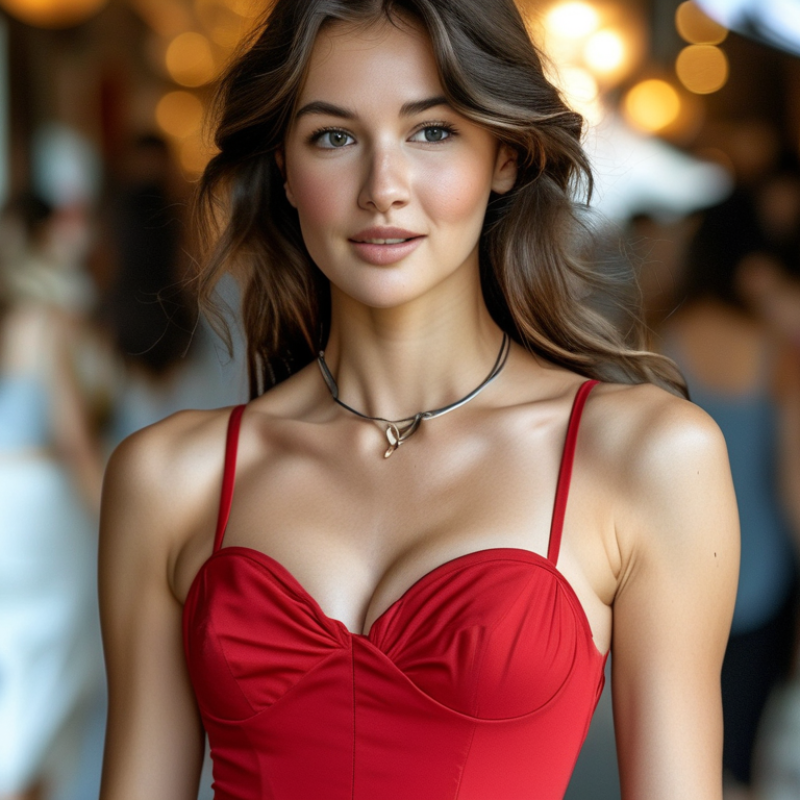
The bodycon dress continues to dominate the fashion scene in 2026. This fitted style embraces all body types, highlighting silhouettes with confidence. The focus this year is on innovative fabrics and textures. Expect to see combinations of matte and sheer materials that catch the eye.
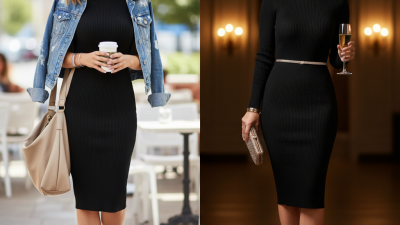
Bold colors are a major trend. Bright shades and unique prints are in. These designs often inspire creativity and self-expression. As the trend evolves, layering becomes essential. Mixing a bodycon dress with an oversized jacket can create an intriguing contrast. This look offers versatility, allowing transitions from day to night.
Sustainability plays a crucial role in present fashion trends. Many designers are opting for eco-friendly materials. While the intention is positive, the execution sometimes falls short. It’s vital to ensure that these garments meet consumer expectations without compromising quality. For buyers, understanding these nuances can lead to better choices.
Key Fabrics and Materials for Bodycon Styles in 2026
As the fashion industry evolves, bodycon dresses remain popular. In 2026, key fabrics will play a crucial role in this continued success. Data from the Global Fashion Trends Report indicates that stretchy materials like spandex and polyester will dominate. These fabrics enhance fit and comfort, essential qualities for the bodycon silhouette.
Sustainability is gaining traction in fashion. Eco-friendly fabrics such as organic cotton and Tencel are becoming essential. A recent market analysis shows a 30% rise in consumer preference for sustainable materials. Shoppers are increasingly aware of environmental impacts. They seek styles that blend modern aesthetics with eco-conscious choices.
Texture also matters. Velvet and lace add sophistication to bodycon dresses. Reports suggest that textured fabrics can increase perceived value for consumers. However, not every option is perfect for all body types. Designers need to experiment with patterns and cuts for inclusivity. This ongoing exploration will shape the future of bodycon trends in the coming years.
Popular Colors and Patterns for Bodycon Dresses in 2026
As we approach 2026, bodycon dresses are set to dominate the fashion scene. The year will embrace a vibrant palette that reflects both boldness and subtlety. Expect rich jewel tones like emerald green and deep sapphire blue. These colors not only enhance the silhouette but also scream sophistication. Earthy tones, such as terracotta and olive, will appeal to those who prefer warmth in their wardrobe.
Patterns will also play a significant role. Look for abstract designs that create movement and depth, bringing excitement to classic bodycon cuts. Stripes in unexpected directions can add a playful twist. Floral motifs will evolve, featuring oversized blooms for a dramatic effect. These patterns embody a balance between daring and elegant.
However, imperfect styles may emerge, with asymmetrical hems or unconventional necklines. Such elements could challenge conventional bodycon aesthetics. Buyers should approach these trends with an open mind, embracing uniqueness. Fashion is about personal expression, and these choices reflect individuality. Often, what stands out may require thoughtful reflection on body image and confidence.
Styling Tips for Wearing Bodycon Dresses in 2026
Bodycon dresses are a staple for many wardrobes and trendsetters, especially in 2026. Styling them can be an adventure. Here are some tips to help you wear these form-fitting dresses with confidence.
When wearing a bodycon dress, consider your body type. Choose a silhouette that flatters your shape. Experiment with different lengths—midi or mini can create distinct looks. A tailored jacket can add an edge. Try pairing it with a belt to cinch the waist. Accessorizing is key. A statement necklace or bold earrings can elevate your outfit.
Shoe choice matters too. Heels can elongate your legs but can be uncomfortable. Flats are a practical alternative for day outings. Layering is another option to mix and match styles without feeling monotonous. Don’t shy away from textures. Adding a textured bag or scarf can bring depth to your look. Remember, confidence is your best accessory. If you feel good, others will too.
Don’t forget to reflect on comfort as well. Sometimes, the perfect fit can sometimes be a bit restrictive. Consider fabrics that offer stretch or breathable materials. Bodycon dresses are meant to hug your curves, but you shouldn’t feel suffocated. There’s always room for improvement in styling. Experimentation is essential. You may find surprising combinations that work wonders.
Market Insights: Consumer Preferences in Bodycon Fashion for 2026
As we look towards 2026, consumer preferences in bodycon fashion reflect evolving trends. Research indicates that over 40% of consumers prioritize comfort alongside style. This shift emphasizes the need for breathable fabrics and flexible designs in bodycon dresses. Sustainability also plays a pivotal role. A recent survey revealed that 65% of shoppers are more likely to purchase eco-conscious fashion.
Innovation in bodycon styles is essential. Many buyers seek unique details such as asymmetrical hems and bold prints. However, some consumers have voiced concerns about inclusivity in sizing. The body positivity movement is gaining traction, challenging brands to expand their size ranges. Addressing these preferences can foster a deeper connection with the market.
Social media influence cannot be underestimated. Approximately 70% of fashion purchases are inspired by online platforms. Brands must adapt to this trend by enhancing their digital presence. While this creates opportunities, it can also lead to oversaturation. Finding the right balance between visibility and authenticity remains a challenge for many in the industry.