A Skater Skirt looks simple on a hanger: a fitted waist, a clean waistband, and a circle of fabric that swings with movement. For global buyers, that silhouette brings practical questions. Will the hem fall evenly across sizes? Does the fabric keep its shape after washing? Can a supplier repeat the approved sample without changing the hand feel? These details matter. Grand View Research estimated the global apparel market at USD 1.74 trillion in 2023 and projected 2.8% annual growth from 2024 to 2030. That figure covers apparel broadly, not the Skater Skirt category alone—a distinction buyers should keep in mind. McKinsey and The Business of Fashion’s State of Fashion reports also track consumer caution and cost pressure, factors that make dependable sourcing more than a price comparison.
Couturier Christian Dior described a dress as “a piece of ephemeral architecture,” a useful reminder that proportion and construction shape how a garment looks in motion. For a Skater Skirt, that means checking waist recovery, seam finishes, lining, and fabric drape—not just the sample’s first impression. No supplier is perfect. A polished sample can still hide uneven grading or inconsistent bulk production. The ten suppliers featured in this guide are assessed through buyer-relevant considerations, including product range, customization, communication, quality controls, and export experience. Treat the list as a starting point, then request current specifications, samples, and clear production terms. A skirt may twirl beautifully. The paperwork should be just as steady.
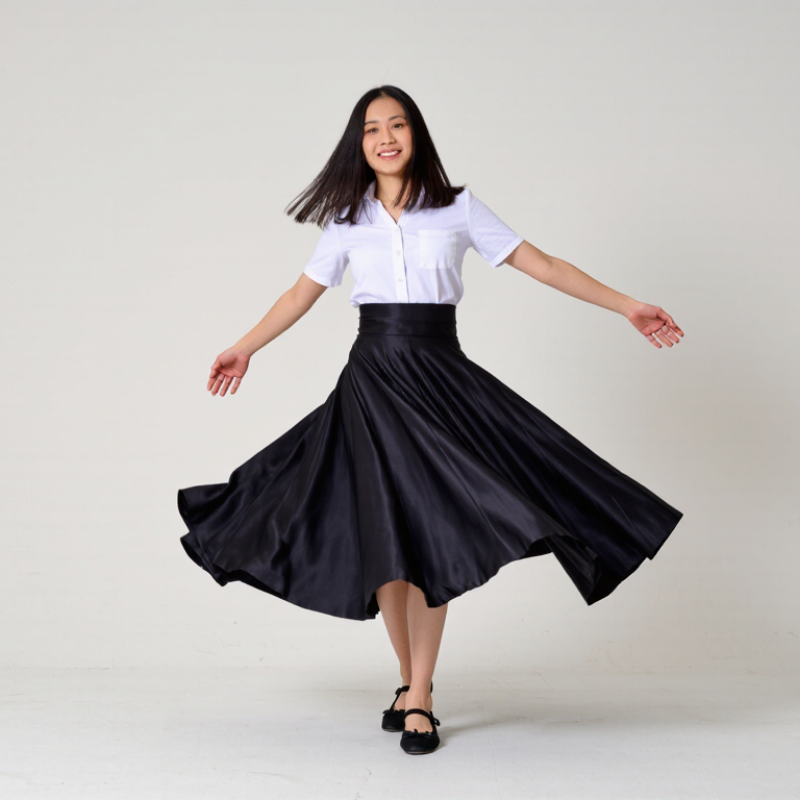
A skater skirt is defined by a close-fitting waist and a flared shape that swings away from the hips. Its cut often uses a circle or partial-circle pattern, creating movement without a long hem. The look is simple. Yet fabric changes everything. Lightweight jersey gives a soft drape, while woven cotton can hold a fuller shape. A sample should be checked while walking and sitting, not only on a hanger. Waistband recovery, lining, seam finish, and hem balance all affect how the skirt feels and wears.
The global market serves different climates, price points, and styling preferences. Buyers may seek lightweight fabrics for warm regions, layered options for cooler seasons, or school and occasion styles with more modest lengths. Production details matter across markets: graded sizing, consistent color, clear fiber information, and packaging that protects pleats or hems in transit. Ask suppliers how they control measurements between sizes and inspect finished samples under natural light. A small difference in waist tension can change the fit noticeably. Trend forecasts can help, but they are not guarantees; demand shifts, and a popular silhouette may still sell unevenly. Sourcing decisions are rarely perfect. That is worth remembering.
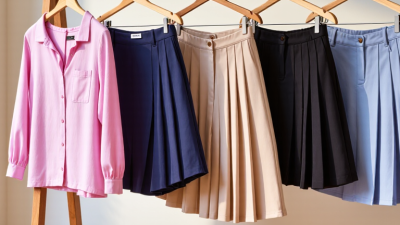
When evaluating skater skirt suppliers for international sourcing, look beyond polished product photos. Request a sample in the intended fabric and check its drape, waistband recovery, seam finish, and hem shape. A skirt may look full on a hanger but lose its silhouette after washing. Ask for fabric composition, weight, size charts, and written measurement tolerances. Small details matter.
Check whether the supplier can explain minimum order quantities, sample fees, production lead times, and quality checks clearly. Ask how they inspect stitching and measure finished garments, not just fabric rolls. For a practical test, compare several pieces from one sample order and measure the waist and length yourself. Ask for proof. If answers are vague, treat that as a sourcing risk, even when the price looks attractive.
Communication and shipping plans deserve equal attention. Confirm packaging, labeling needs, delivery estimates, and which shipping terms are included in the quotation. Request updates at agreed production milestones. A strong sample is useful, but it cannot guarantee every bulk piece will match; that assumption is easy to make, and worth questioning. Keep specifications and approved sample details in writing, so expectations remain clear if production changes.
The entries below are supplier profiles to help buyers build a shortlist, not named or independently audited companies. Capabilities, minimum order quantities, lead times, certifications, and prices vary by factory and order; verify them directly before placing an order.
| No. | Supplier profile | Potential fit for skater skirts | Evidence to request | Key points to evaluate | Questions for the RFQ |
|---|---|---|---|---|---|
| 1 | Full-package cut-and-sew manufacturer | Buyers seeking one production partner to coordinate materials, cutting, sewing, finishing, and packing. | Process flow, sample-room details, material sourcing options, and a production sample made to the buyer’s specification. | Confirm which processes are performed in-house and which are subcontracted; assess consistency between approved sample and bulk production. | Can you quote fabric, trims, garment production, labels, and packing separately as well as together? |
| 2 | Woven-garment specialist | Skirts made from woven materials such as cotton poplin, twill, or polyester woven fabric. | Samples in comparable woven fabrics, measurement records, and construction details for waistband, seams, and closures. | Check fabric shrinkage, grain alignment, seam quality, and how the skirt’s flare is maintained across sizes. | What fabric testing and pre-production checks do you recommend for the selected woven material? |
| 3 | Knitwear and stretch-garment specialist | Stretch skater skirts using jersey, rib, or other knit fabrics, including pull-on styles. | Comparable knit samples, fabric composition and weight details, and test information for stretch and recovery where available. | Evaluate waistband comfort, recovery after wear, seam stretch, and the risk of fabric becoming sheer when stretched. | How do you test stretch recovery and opacity for the proposed fabric and color? |
| 4 | Small-batch or sampling-focused factory | New labels and buyers testing fit, styling, or demand before committing to larger production runs. | Sample-development process, sample charges, revision policy, and written confirmation of any small-order conditions. | Clarify whether sample and bulk-production materials, workmanship, and pricing will be comparable. | What are the sample timeline, number of included revisions, and production minimum by style, color, and size? |
| 5 | Large-volume apparel factory | Established programs with repeat orders, stable specifications, and larger quantities. | Documented production capacity, quality-control checkpoints, production schedule, and references that can be checked. | Assess capacity allocation, communication during production, defect handling, and the factory’s ability to maintain approved specifications. | How is capacity reserved, and how are inspection results and corrective actions reported? |
| 6 | Private-label and branding-focused manufacturer | Orders requiring custom labels, hangtags, packaging, or other buyer-specified brand details. | Examples of available label and packaging options, artwork requirements, and a pre-production approval process. | Confirm ownership and approval of artwork, packaging specifications, and the handling of unused branded materials. | Can trims and packaging be approved separately before bulk production begins? |
| 7 | Sustainable-material sourcing partner | Buyers requesting specified recycled, organic, or otherwise certified materials. | Current, scope-appropriate certificates and transaction documents for the actual material used in the order. | Verify the certificate holder, validity, product scope, and chain-of-custody documentation; do not rely on general sustainability claims alone. | Can you provide valid documentation that links the specified material to this production order? |
| 8 | Regional or near-market manufacturer | Buyers prioritizing shorter transport routes, closer coordination, or smaller replenishment windows. | Factory address, production schedule, shipping terms, and a landed-cost comparison using the buyer’s destination. | Compare total landed cost rather than unit price alone, including freight, duties, taxes, and any applicable import requirements. | Which Incoterm are you quoting, and what costs are excluded from the quote? |
| 9 | Export-experienced apparel manufacturer | International orders requiring export documentation and coordination with overseas freight providers. | Sample export-document checklist, shipping process, packing details, and experience shipping to the buyer’s destination market. | Check document accuracy, carton and packing specifications, shipment handover responsibilities, and communication at dispatch. | Which export documents will you provide, and who arranges freight and export clearance? |
| 10 | Development-led garment supplier | Custom designs needing help refining patterns, fit, grading, or construction before production. | Pattern-development workflow, graded size set, fit-sample process, and written records of approved revisions. | Confirm pattern ownership, measurement tolerances, size grading, and how changes are controlled after approval. | Can you provide a graded size set and keep the approved pattern and specification on file for repeat orders? |
Practical evaluation method: Send the same tech pack and RFQ to shortlisted suppliers, compare like-for-like quotations, approve a pre-production sample, and agree on inspection criteria, delivery terms, payment terms, and defect resolution in writing. Request independent verification for material, social, or quality claims that are important to your business.
A useful supplier profile starts with the factory’s actual strengths, not a polished catalog. The Global Knitwear Specialist handles stretch jersey and can provide fabric-weight options. The Cut-and-Sew Workshop focuses on clean waistbands and consistent seam allowance. The Pleating Studio should show how folds recover after washing. The Small-Batch Maker suits trial orders, though its unit costs may be higher. The Large-Scale Export Factory offers capacity, but buyers should check production slots and subcontracting.
The Fabric-Mill Partner can coordinate color and hand-feel development. The Recycled-Fiber Supplier should document material composition and chain-of-custody claims. Textile Exchange’s Materials Market Report 2024 estimates that global fiber production reached 124 million tonnes in 2023, with polyester representing about 57 percent. That context makes fiber traceability worth checking, not just a marketing detail. The Digital-Sampling Supplier can reduce physical rounds, but virtual color is imperfect. The Near-Market Factory may shorten shipping routes; confirm lead times with a real order calendar.
The Compliance-Focused Producer maintains audit records and corrective-action plans. A certificate alone is not enough; verify its scope and date. The Flexible Product Developer can adapt waist heights, lining, and hem finishes for different markets. Ask each candidate for a recent skirt sample, wash-test results, minimum order quantity, and defect policy. Check the inside seams, too. Small details often reveal more than a sales deck.
When comparing skater skirt suppliers, look beyond product photos. Ask whether they can provide size grading, fabric-weight options, lining, and consistent pleat spacing. A sample should show how the waistband sits and whether the hem swings evenly. Details matter. Request measurements and a pre-production sample before approving a larger order; small fit differences become obvious across a full size run.
Pricing depends on fabric, construction, order quantity, and finishing. Compare itemized quotes, not just the unit price. Check whether sampling, labels, packaging, and freight are included or billed separately. Minimum order quantities can vary by color and size, so ask how mixed assortments affect the total. A low quote may exclude useful checks. I would not assume it represents the final landed cost.
Order requirements also reveal how prepared a supplier is. Confirm sample lead time, production schedule, payment milestones, and the process for handling defects. Ask for recent inspection photos or a written measurement report tied to your specifications. A polished sample can still hide inconsistent bulk production. That can happen. Clear records and prompt answers are useful signs, though they do not guarantee every shipment will match expectations. Compare each supplier against the same checklist before deciding.
Treat supplier selection as a documented check, not a catalog comparison. Request a physical sample in your target fabric, color, and size range. Measure the waistband, skirt length, pleat depth, and hem against a written specification. Ask for the factory address, monthly capacity, minimum order quantity, sample fees, and a production timeline. Get tolerances in writing; “standard sizing” is not a useful measurement.
Verify claims with dated evidence. Check whether certificates cover the actual production site and relevant materials, then confirm them with the issuing organization. The Fashion Transparency Index 2023 reported an average disclosure score of 26% across 250 major fashion brands and retailers. That is a reminder that public information can be limited—not proof that any individual supplier is unreliable. For fabric traceability, request transaction records and material details, not just a logo on a certificate. Textile Exchange estimated global fiber production at 124 million tonnes in 2023, with polyester making up 57%. Small wording differences matter.
Before placing a large order, approve a pre-production sample and inspect a pilot batch. Check seam strength, zipper function, color consistency, and how pleats fall after pressing. Compare the finished pieces with your approved sample under the same lighting. A spreadsheet alone can still mislead. Record defects and response times, too; a supplier’s handling of one imperfect batch may reveal more than a polished sales call.
Allow time to check product quality, production capability, compliance documents, and order terms before selecting a supplier.
These are illustrative buyer planning estimates in business days, not measured supplier-performance data. Actual timelines vary by supplier, product specifications, and testing requirements.