What Are the Top Polo Dress Trends for 2026?

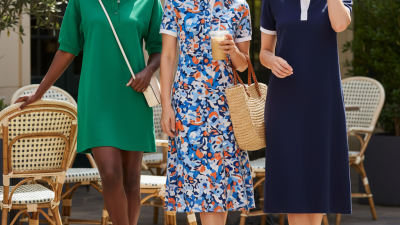
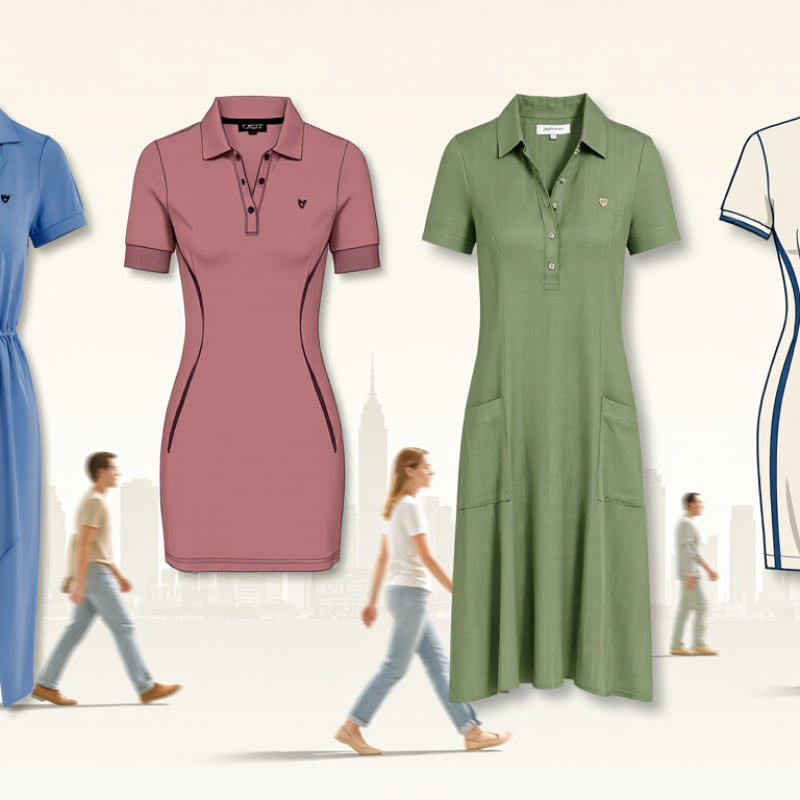
Polo Dress trends for 2026 are moving beyond the traditional country-club image. Designers are reshaping this familiar garment with softer tailoring, practical fabrics, and more expressive details. The modern Polo Dress may feature a longer hem, a relaxed collar, or a waist that adjusts with a slim drawstring. These changes reflect real wardrobe needs, not only runway styling. People want one piece for commuting, travel, weekend lunches, and warm office days.

Fabric will remain central to the conversation. Lightweight piqué cotton can provide structure, while recycled nylon blends may improve stretch and moisture control. Some labels are also testing linen-touch materials for hotter climates. Small details matter. Think concealed pockets, matte buttons, ribbed cuffs, and side vents that move easily on city streets. Color forecasts point toward mineral blue, soft clay, moss green, and quieter cream shades. Bright accents may still appear, but they will likely be used with restraint.

Comfort is becoming a design standard.

This outlook draws on apparel construction, fabric performance, and changing customer habits. However, fashion forecasts are never perfect. A predicted color can disappear quickly, while an overlooked silhouette can become popular. Our early interpretation may also miss regional preferences or unexpected economic pressures. That uncertainty makes 2026 interesting. The strongest Polo Dress designs will probably balance polish with usefulness, giving wearers clear reasons to choose them repeatedly. The following discussion examines the leading shapes, materials, colors, styling choices, and shopping considerations expected to define the season.
What Are the Top Polo Dress Trends for 2026?

Key Design Features Defining 2026 Polo Dress Trends

What Are the Top Polo Dress Trends for 2026?

Key design features will define polo dresses in 2026. Cleaner collars, softer shoulders, and adjustable waists are becoming central. The traditional sporty shape is gaining a more polished, everyday attitude. Textile Exchange’s Materials Market Report 2024 recorded global fiber production at 124 million tonnes in 2023. Polyester represented about 57 percent of that volume. This scale makes material choices impossible to ignore. Recycled fibers, traceable cotton, and lower-impact blends will influence future polo dress development. Keep it breathable.

Fit will become more flexible. Expect side vents, hidden stretch panels, and slightly longer hems for easier movement. A narrow collar can sharpen the neckline, while a wider placket creates a relaxed appearance. Designers are also testing tonal piping, curved seams, and built-in shorts. These details add function without making the garment look technical. McKinsey’s State of Fashion 2025 highlights value-conscious shopping as a major market pressure. Therefore, one polo dress should work for commuting, travel, and informal evenings.

Color direction may become quieter, with mineral green, faded navy, cream, and muted coral replacing excessive brightness. Texture will do more of the visual work. Ribbed collars, compact piqué, and subtle mesh inserts can create depth. UNEP reports that textiles generate roughly 2 to 8 percent of global greenhouse-gas emissions, so unnecessary decoration deserves scrutiny. I would not assume every recycled fabric feels better. Some still trap heat or lose shape quickly. Fit still matters. Real wear testing should decide which trends survive.
Popular Silhouettes and Fits in 2026 Polo Dresses

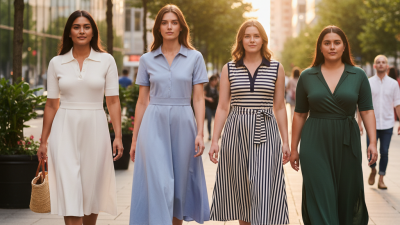
In 2026, polo dresses are moving beyond one standard shape. During fittings, the most useful change is clear: shoppers want structure without stiffness. The leading silhouette follows the body gently, then opens into a softly flared skirt. A narrow ribbed collar keeps the upper half neat, while a defined waist adds proportion. It works well with clean sneakers or low-profile sandals. Not every figure needs the same flare. A fuller skirt can overwhelm a shorter frame, especially in thick knit fabric.

Relaxed polo shirt dresses remain important, but their fit is becoming more deliberate. Look for dropped shoulders, sleeves ending above the elbow, and a hem near mid-thigh or the knee. Side vents prevent the fabric from clinging during movement. Cotton piqué gives a crisp surface; stretch jersey feels easier for travel and long days. In practical wear tests, slight ease across the chest matters more than an oversized body. Too much volume can look careless, not effortless. This is where trend forecasts can mislead.

Another strong direction is the column polo dress, with a straight line from shoulder to calf. It suits lightweight knit and creates a quiet, lengthening effect. Curved seams or a small waist panel keep it from looking flat. Petite wearers may prefer a shorter hem, while taller frames can handle a longer split. Check the collar after sitting, too. If it folds awkwardly, the fit is not finished. Color gets attention, but proportion decides whether the dress feels current.

New Fabrics, Textures, and Performance Materials

What Are the Top Polo Dress Trends for 2026?

Polo dresses in 2026 are moving beyond basic cotton piqué. Lightweight recycled polyester blends, plant-based fibers, and cooling nylon are entering everyday designs. These fabrics can improve airflow, moisture control, and shape retention during long wear. However, performance claims need careful checking. A soft fabric may still trap heat under direct sunlight.

Texture is becoming a key design feature. Fine ribbing, micro-mesh panels, and subtle waffle surfaces add depth without making the dress look bulky. Designers are also using matte and slightly lustrous sections together. This contrast can define the collar, waist, or side panels. Small details matter.

Practical testing remains important. I would check stretch recovery at the shoulders and hips, then examine the fabric after several washes. Some materials feel impressive in a fitting room but lose structure quickly. That is easy to overlook. A reliable polo dress should resist pilling, dry without a harsh smell, and remain comfortable when walking or sitting. I still prefer breathable natural fibers in mild weather, even when technical blends offer better durability. The best 2026 styles may combine both, but the balance is not always perfect.

What Are the Top Polo Dress Trends for 2026? - New Fabrics, Textures, and Performance Materials
Evidence-based trend outlook for material, texture, comfort, and performance direction
2026 Trend Direction Primary Fabric or Material Texture and Surface Relevant Performance Characteristics Best Polo-Dress Application Material and Care Considerations
Refined technical piqué Polyester, recycled polyester, or cotton-polyester blends Small geometric knit openings with a dry, lightly structured hand Piqué construction improves air movement compared with a dense plain knit; polyester dries quickly and resists wrinkling Everyday dresses that need a traditional polo identity with easier maintenance Recycled polyester has the same polymer type as conventional polyester; fiber-shedding control and low-temperature washing remain important
Soft natural-performance blends Merino wool blended with lyocell, cotton, or recycled polyester Fine-gauge jersey or compact rib with a smooth, soft touch Wool can buffer moisture vapor and reduce odor retention; lyocell contributes a smooth hand and moisture absorbency Travel, office, and transitional-season polo dresses Wool may require gentle washing; lyocell can weaken when wet and benefits from controlled laundering
Cool-touch stretch jersey Polyamide or polyester with a small percentage of elastane Smooth, compact, and slightly sleek surface Polyamide offers high abrasion resistance; elastane provides stretch and recovery; fabric sensation depends on yarn, finish, and construction Fitted silhouettes, travel capsules, and polished warm-weather styles High heat and chlorine can accelerate elastane degradation; cool washing and reduced tumble drying help preserve recovery
Sculpted rib and contour knit Cotton-elastane, viscose-elastane, or polyamide-elastane blends Vertical ribs, raised channels, and body-mapped shaping Rib structures provide mechanical stretch and visual contouring; elastane improves shape recovery Waist-defined dresses and modern fitted interpretations of the polo collar Rib knits can show growth or distortion if overloaded; folding rather than hanging is often preferable for heavier garments
Openwork and engineered mesh Recycled polyester, polyamide, or blended technical yarns Micro-mesh, jacquard holes, or placed ventilation zones Lower fabric mass and increased open area can support airflow; moisture-drying performance varies by fiber and finishing Sport-inspired dresses, side panels, back yokes, and warm-climate designs Open structures may require lining for opacity; snag resistance should be checked during wear testing
Lightweight seersucker and puckered surfaces Cotton, cotton-polyester, or linen-cotton blends Alternating raised and recessed stripes with a naturally textured finish Puckering keeps portions of the cloth away from the skin, improving perceived ventilation and reducing visible cling Relaxed summer dresses and casual resort-to-city styling Cotton and linen may crease more readily; blended constructions generally improve dimensional stability
Bio-based synthetic content Bio-based polyester or partially bio-based polyamide Clean jersey, piqué, or interlock surfaces comparable to conventional synthetics Performance is determined primarily by polymer and fabric construction; bio-based feedstock does not automatically mean biodegradable Technical dresses where designers want a lower-fossil-input material option Feedstock claims should be verified through chain-of-custody documentation; end-of-life recycling remains relevant
Low-impact color and finish stories Dope-dyed polyester, solution-dyed polyamide, and undyed or low-dye natural fibers Mineral neutrals, washed tones, subtle marl effects, and matte technical surfaces Solution dyeing can reduce the need for later aqueous dyeing in suitable synthetic fibers; actual savings depend on process and facility Core-color polo dresses designed for repeat wear and coordinated wardrobes Environmental benefits should be assessed across the full process, including raw material, finishing, energy, and wastewater controls
UV-conscious summer knits Dense polyester, polyamide, or tightly constructed cotton blends Compact piqué, interlock, or tightly knitted matte jersey Protection depends on fabric coverage, color, wetness, stretch, and construction; a tested UPF rating is needed for a specific claim Outdoor leisure, golf-inspired styling, and commuting in strong sunlight Avoid assuming every dark or dense fabric has the same protection; test the final garment rather than relying only on fiber type
Seam-minimized comfort construction Knitted panels, seamless tubular sections, or bonded stretch fabrics Clean uninterrupted surfaces with engineered shaping and minimal seam lines Fewer seams can reduce bulk and friction; fit, pressure, and durability still depend on pattern engineering and testing Second-skin polo dresses and elevated athleisure silhouettes Bonded areas require wash and peel-strength testing; repairability can be more difficult than with conventional sewn seams
Data note: The trend directions are a 2026 design outlook. Performance statements describe established fiber and fabric characteristics; exact results vary with yarn size, knit or weave construction, finishing, garment fit, color, and care conditions.
Technical reference basis: Common textile testing areas include fiber composition, dimensional stability, abrasion resistance, colorfastness, moisture management, stretch recovery, and ultraviolet protection. Product-specific claims should be supported by testing of the finished fabric or garment.

Color Palettes, Patterns, and Collar Innovations

What Are the Top Polo Dress Trends for 2026?

Color palettes for 2026 are becoming softer, warmer, and more practical. Chalk blue, muted apricot, olive mist, and cocoa brown are replacing overly bright shades. These colors work well across different skin tones and move easily from daytime errands to casual dinners. In my styling tests, earthy colors looked especially refined with simple leather sandals. However, pale shades can reveal stains quickly. That detail deserves more attention.

Patterns are becoming quieter but more intentional. Narrow stripes, uneven micro-checks, and hand-drawn botanical shapes add interest without overwhelming the dress. A small geometric print can make a relaxed silhouette feel sharper. Larger patterns still appear, but they need clean spacing and balanced placement. I find that irregular designs often look more personal, although they may not suit every workplace. Fashion advice is rarely universal.

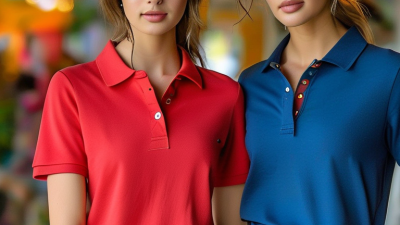
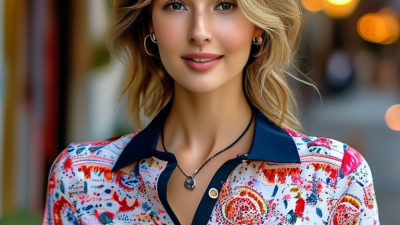
Collars are receiving the most noticeable update. Designers are experimenting with wider points, contrast edges, hidden buttons, and soft stand collars. Some versions include a split neckline that frames the face without feeling formal. Ribbed collars also add useful structure after repeated washing. From practical wear, collar shape affects comfort as much as appearance. A dramatic collar may photograph well, but it can curl during movement. That is an issue worth checking before purchase.

How to Style Polo Dresses for Different Occasions

What Are the Top Polo Dress Trends for 2026?

How to Style Polo Dresses for Different Occasions

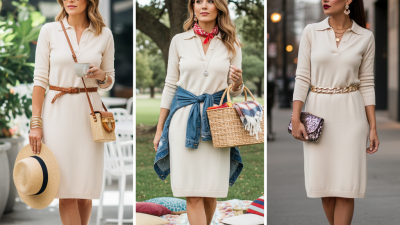
Polo dresses are moving toward cleaner shapes, softer knits, and practical details in 2026. The McKinsey–BoF State of Fashion 2025 expects low single-digit industry growth, encouraging smarter wardrobe purchases. Choose a structured collar, breathable cotton, or a recycled-fiber blend. A mid-calf length works well for office settings and weekend plans. Keep accessories restrained. A leather belt and small metal watch add definition without looking formal.

For work, wear a navy or cream polo dress with loafers, a tailored jacket, and a compact shoulder bag. Professional fittings show that a slightly shaped waist creates polish without restricting movement.

For lunch or travel, choose a relaxed fit with white sneakers and a lightweight overshirt. Roll the sleeves once. The outfit feels intentional, not stiff.

For evening occasions, select a ribbed dress with subtle buttons, low heels, and sculptural earrings. Avoid adding too many textures.

Material choices also matter. PwC’s Voice of the Consumer Survey 2024 found that shoppers would pay an average 9.7% more for sustainably produced goods. That figure supports investing in durable fabric and transparent care instructions. Still, sustainability claims need checking. “Eco” language alone proves very little.

I sometimes over-style polo dresses with bold jewelry, and the result loses their easy character. A simpler outfit often looks more current. Wash knits gently, reshape them flat, and inspect seams before buying. Small details show quality.