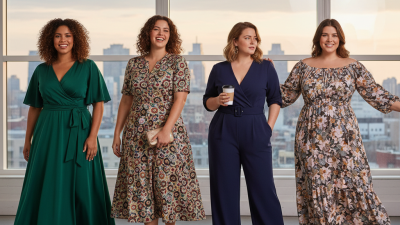
Global demand for inclusive fashion is reshaping how buyers evaluate Plus Size Dresses. McKinsey & Company’s State of Fashion 2024 highlights value, fit, and customer relevance as major apparel priorities. These priorities become sharper when customers shop across borders. A dress may fit well in London but feel restrictive in Bangkok. Regional body proportions, climate, and sizing labels can change the buying decision.
This guide examines the top Plus Size Dresses for global buyers through practical standards. These include size accuracy, fabric recovery, comfort, construction, and supplier reliability. Grand View Research’s plus size clothing market analysis identifies expanding demand and stronger online purchasing behavior. However, market reports use different definitions and regional samples. Their figures should guide decisions, not replace product testing.
Fit comes first.
A dependable dress should offer clear measurements, flexible seams, and movement around the bust, waist, hips, and arms. Buyers should inspect size charts, grading rules, fabric composition, and sample photos before placing large orders. Cotton blends may improve breathability, while elastane can support recovery after repeated wear. Stitch density matters near pockets, zippers, and underarms. Small details often decide whether a dress survives daily use.
This overview also considers wholesale consistency, return risks, and responsible sourcing. No ranking can suit every customer. That is an important limitation. Global buyers should compare supplier certifications, testing records, lead times, and communication quality. The strongest choice is not always the cheapest dress. It is the style that delivers reliable fit, comfort, and commercial value across real markets.
What Are the Top Plus Size Dresses for Global Buyers?
International shoppers should understand dress categories before choosing a style. Casual plus size dresses often use soft jersey, cotton blends, or lightweight linen. They suit travel, shopping, and warm climates. Look for breathable fabric, secure seams, and enough room across the shoulders.
Work dresses usually have cleaner lines and structured fabric. A wrap design can accommodate changing measurements, while a knee or midi length offers practical coverage. Occasion dresses may include satin, chiffon, or stretch velvet. Check lining details carefully. A beautiful outer fabric can still feel uncomfortable against the skin.
Body shape descriptions can help, but they are not universal. Some shoppers prefer relaxed, fitted, A-line, or empire-waist categories. Measure the fullest bust, natural waist, and widest hip with a level tape. Compare those numbers with the garment chart, not only the advertised size. Charts differ between countries, and conversion labels can mislead. No chart is perfect.
Think about climate and delivery conditions, too. Heavy fabric may feel unsuitable in humid regions, while thin fabric may need lining in cooler areas. For overseas orders, confirm sleeve length, dress length, stretch percentage, and care instructions. A dress that fits the body may still fail at the hem or neckline. That small mismatch matters. Reliable sellers should provide clear measurements, fabric composition, customer-service contact, and return information. Some shoppers overlook these details, including me, especially when a photograph looks convincing.
| Rank | Dress Category | Typical Size Coverage | Key Design Features | Common Fabric Choices | Best Climate or Season | Popular Use Cases | International Buying Considerations |
|---|---|---|---|---|---|---|---|
| 1 | A-Line Dress Versatile Choice | Often offered from approximately US 14–30, UK 18–34, or EU 46–62; sizing varies by seller. | Fitted or structured around the upper body with a skirt that gradually widens toward the hem. | Woven cotton, rayon, linen blends, crepe, and fabrics with a small amount of elastane. | Suitable for year-round wear when the fabric weight is matched to the climate. | Office wear, casual outings, family events, and travel. | Usually provides comfortable room around the hips and abdomen. Buyers should compare bust, waist, and hip measurements rather than relying only on a regional size label. |
| 2 | Wrap Dress Adjustable Fit | Commonly available across extended plus-size ranges, but the usable fit depends on the wrap overlap and tie length. | Overlapping front panels with adjustable waist ties; a V-neckline is common. | Jersey, stretch knit, matte satin, viscose, and polyester blends. | Especially practical for mild, temperate, and transitional weather. | Workwear, dinners, celebrations, and nursing-friendly wardrobes when designed with sufficient coverage. | Check whether the garment is a true wrap or a faux-wrap style. Review neckline coverage, tie placement, and fabric recovery to reduce gaping. |
| 3 | Maxi Dress Full-Length Style | Frequently produced in extended size ranges, with petite, regular, and tall lengths available in some collections. | Long hemline, often with a relaxed bodice, defined waist, side slit, or tiered skirt. | Lightweight cotton, viscose, jersey, chiffon overlays, and breathable linen blends. | Warm weather, resort settings, and layered autumn or spring outfits. | Vacation wear, modest dressing, outdoor events, and everyday summer clothing. | Length is a major fit factor. Buyers should check garment length in centimeters or inches and consider footwear and regional height differences. |
| 4 | Shirt Dress Smart Casual | Often available in plus-size ranges equivalent to approximately US 14–28, depending on the size system used. | Button-front construction, collar, sleeves, and a straight, relaxed, or belted silhouette. | Cotton poplin, Tencel or lyocell blends, denim, linen blends, and non-stretch woven fabrics. | Transitional seasons and warm climates; heavier versions suit cooler weather. | Work, travel, weekend wear, and layering over trousers or leggings. | Non-stretch shirts should include enough ease at the bust and upper arm. Buyers should check button spacing and sleeve measurements. |
| 5 | Fit-and-Flare Dress Defined Waist | Commonly offered in extended sizes, although waist placement and skirt volume differ significantly between patterns. | More fitted through the bodice with a skirt that flares from the waist or high waist. | Stretch jersey, ponte knit, scuba knit, crepe, and structured cotton blends. | Year-round, with fabric weight determining seasonal comfort. | Parties, weddings, office events, and polished daytime outfits. | Useful for buyers seeking waist definition. Confirm the location of the waist seam, bodice stretch, and skirt circumference before ordering. |
| 6 | T-Shirt Dress Casual Essential | Often supplied from approximately US 14–32 or comparable extended ranges, subject to the seller's measurement chart. | Simple pull-on construction, short or long sleeves, and a straight, relaxed, or oversized shape. | Cotton jersey, modal, viscose jersey, and cotton-polyester blends. | Best for warm weather, casual indoor wear, and layering in cooler seasons. | Everyday wear, travel, errands, and casual social activities. | Look for fabric opacity, shrinkage information, and sufficient sleeve and hip room. Natural-fiber jersey may require care to limit shrinkage. |
| 7 | Tiered Dress Relaxed Volume | Usually available in a broad plus-size range, with generous ease created by gathered or flared tiers. | Multiple horizontal skirt sections that add volume and movement; the bodice may be fitted or loose. | Crinkle cotton, gauze, viscose, rayon, and lightweight woven blends. | Warm climates, beach destinations, and relaxed spring or summer dressing. | Casual wear, maternity-friendly styling, festivals, and resort wardrobes. | Buyers should check the total garment weight and tier construction. Excessive gathering can add volume, while lightweight fabrics improve breathability. |
| 8 | Formal Evening Dress Occasion Wear | Extended formalwear sizing is available from some sellers, but size availability and length options can be limited. | May include an empire waist, column silhouette, structured bodice, sleeves, draping, or a floor-length skirt. | Crepe, stretch velvet, satin, chiffon, lace overlays, and lined polyester blends. | Cooler evenings, indoor venues, and formal events; fabric choice affects seasonal suitability. | Galas, weddings, ceremonies, formal dinners, and cultural celebrations. | Check lining, bust support, closure type, train or hem length, and alteration allowance. International buyers should allow time for tailoring and customs delivery. |
| Size note: International size labels are not standardized. For the most reliable fit, compare the seller's garment or body-measurement chart in centimeters or inches, including bust, waist, hip, sleeve, and total length measurements. Fabric stretch, cut, and intended ease can change the final fit even when two dresses carry the same size label. | |||||||