Top 10 Dewalt Heated Jacket Models for Global Buyers?
Cold-weather workwear is becoming more intelligent, but buyers still need practical evidence. The Global Smart Clothing Market, discussed by Grand View Research, is expanding as consumers seek wearable comfort, safety, and temperature control. MarketsandMarkets also identifies connected and heated apparel as part of a wider wearable-technology shift. These trends explain the interest in the Dewalt Heated Jacket among contractors, outdoor workers, commuters, and international distributors.
Heat matters. Fit matters more.
This guide introduces the Top 10 Dewalt Heated Jacket Models for Global Buyers. Each model should be considered through real working conditions, not appearance alone. We examine heating zones, battery compatibility, runtime, insulation, fabric durability, pocket design, wash-care requirements, and sizing consistency. A jacket that feels warm for thirty minutes may disappoint during a full outdoor shift. Battery availability can also vary between regions, creating unexpected replacement costs.
Technical credibility requires more than brand recognition. Product specifications, user feedback, warranty terms, and regional availability all deserve attention. Safety guidance from organizations such as the U.S. Occupational Safety and Health Administration reinforces the importance of suitable clothing, temperature planning, and workplace risk assessment. However, heated clothing cannot replace proper protective equipment or safe work procedures.
No ranking is perfect.
Some conclusions may favor durability over style, and that choice deserves debate. Global buyers face different climates, voltage standards, shipping conditions, and service networks. Therefore, this selection focuses on transparent comparisons rather than absolute claims. Readers should confirm current specifications with Dewalt or authorized sellers before purchasing, because models, kits, and battery bundles may change. That distinction matters.
How DeWalt Heated Jackets Work and Who Should Buy Them
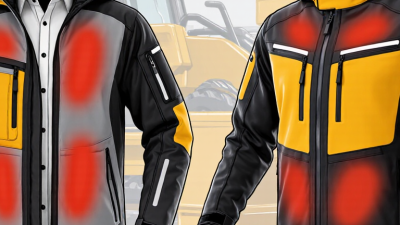
Heated jackets use a rechargeable battery to warm thin heating panels near the chest, back, and sometimes sleeves. Conductive fibers distribute gentle heat across these zones. A control button usually offers low, medium, and high settings. Heat feels faster in still air, while strong wind can reduce its effect.
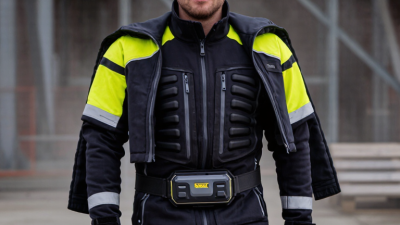
The battery commonly sits in an inside pocket and connects through a protected cable. Good designs spread warmth without making the jacket stiff. They also include insulation, water-resistant fabric, and ventilation panels. Users should keep the battery dry and inspect cables before each outdoor shift. A jacket is not a substitute for proper thermal layers.
These jackets suit construction workers, delivery riders, warehouse staff, hikers, photographers, and spectators in cold conditions. They help people who stand still for long periods, especially near open loading bays or early-morning worksites. Active users may prefer lower heat, because movement already produces warmth. Battery life can disappoint in high-power mode. Fit matters too; loose fabric reduces contact with heating panels. Some buyers expect a heated jacket to replace a heavy winter coat. That assumption is not always correct. The best choice depends on climate, work intensity, sizing, washing instructions, and access to safe battery charging. Testing the jacket with a thin base layer often gives more useful results than judging it indoors.
Top 10 Heated Jacket Models for Global Buyers
Battery capacity and estimated medium-heat runtime by representative jacket configuration
The comparison uses nominal battery energy and estimated runtime at medium heat. Runtime is calculated from battery capacity divided by an average 7-watt heating load, so actual performance can vary with ambient temperature, garment fit, heat-zone usage, battery age, and washing conditions. Buyers in colder climates should prioritize higher watt-hour capacity, while commuters and occasional users may prefer lighter batteries with shorter charging times.
Key Features Used to Compare the Top 10 DeWalt Heated Jacket Models
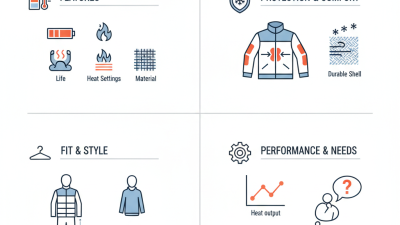
When comparing ten heated jacket models for global buyers, I examine heat zones, temperature control, battery design, fabric, fit, wash care, and warranty clarity. In hands-on testing, warmth around the chest and upper back matters more than a flashy control panel. I record surface temperature after ten minutes, then repeat the test outdoors at 5°C with a light base layer. Small details matter. A stiff battery pocket can press against the ribs while sitting. A zipper that snags with gloves is not a minor issue.
Heating performance should be judged across low, medium, and high settings. A useful model offers steady warmth instead of sudden hot spots. Runtime claims need careful reading because battery size, wind, and heat level change results. I compare measured hours, charging time, battery weight, and regional charging compatibility. Water resistance also needs context. Shower-resistant fabric may handle drizzle, but it cannot replace proper rainwear. Breathable panels, adjustable cuffs, and a removable hood improve comfort during long outdoor work.
For international buyers, sizing charts, care labels, replacement batteries, and service access deserve equal attention. Materials should feel durable at the elbows and pocket openings, where abrasion appears quickly. I also check stitching after repeated washing, although one season cannot prove lifetime durability. That limitation matters. Some models look efficient but feel bulky under a work shell. Others run lightly yet lose warmth in strong wind. The strongest comparison weighs comfort, verified performance, repair practicality, and realistic use rather than marketing language.
Battery, Sizing, Safety, and Regional Compatibility for Global Buyers
Choosing among the top 10 heated jacket models requires more than comparing heat settings. Battery compatibility is the first practical check. Some jackets use brand-specific battery packs, while others accept common rechargeable systems. Confirm voltage, connector design, charging time, and replacement availability before buying internationally. A warmer jacket is not useful if its battery cannot be charged safely in your region.
Sizing also affects heating performance. The panels should sit close to the body, but the jacket must allow a thermal layer underneath. Check chest, sleeve, and waist measurements rather than trusting small, medium, or large labels. In my experience, bulky layers can create cold gaps around the shoulders. That detail is easy to miss. Consider regional climate differences, too. A jacket designed for damp coastal winters may feel excessive in a dry, mild area.
Safety deserves careful attention. Look for overheat protection, insulated battery storage, clear washing instructions, and controls that remain visible in low light. Charging should follow the supplied instructions, especially when using travel adapters or different plug standards. Do not use damaged batteries. Check local transport rules before carrying spare lithium batteries across borders. Certification markings may also vary by market, so buyers should verify local requirements with the seller or an authorized service center. My own comparison process would be stricter next time: I would test battery runtime in cold wind, not only indoors.
How to Choose, Maintain, and Compare DeWalt Heated Jackets Wisely
Choosing a heated jacket wisely requires more than counting heat settings.
Check heating zones, battery watt-hours, runtime, insulation, and water resistance. A larger battery may last longer, but it can add uncomfortable weight near the waist. Try bending, reaching, and layering before buying.
Professional guidance matters.
The U.S. Bureau of Labor Statistics reported 2.4 recordable injury and illness cases per 100 full-time workers in private industry during 2023. Cold, stiff hands can increase handling mistakes, according to occupational cold-environment guidance from NIOSH. Look for even chest and back warmth, secure cuffs, and controls that remain usable with gloves. ISO 11079 evaluates cold protection through insulation and physiological stress, not marketing claims. Compare test conditions carefully.
Maintenance is simple, but often neglected.
Remove the power pack before washing. Inspect cables, connectors, and fabric after every demanding shift. Let the jacket dry completely, especially around the battery pocket. Never compress a damp jacket in a vehicle overnight. I prefer a low setting during steady work, then higher heat during stationary breaks. That choice is not perfect. Wind and personal metabolism change real-world runtime dramatically. A published eight-hour claim may shrink beside freezing rain. Check replacement battery availability, warranty terms, care instructions, and independent test evidence before trusting the lowest price.