Top Dewalt Heated Jacket for Global Buyers?
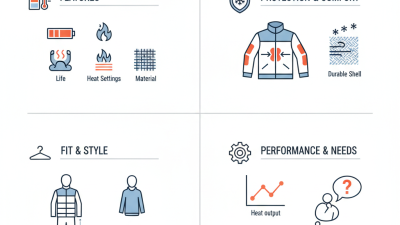
Choosing the right Dewalt Heated Jacket requires more than comparing prices or counting heating zones. Global buyers need dependable warmth, practical design, and clear product information. A jacket that performs well on a cold construction site may feel excessive during mild European winters. Local weather matters.
This guide examines insulation, heating coverage, battery runtime, fabric durability, sizing, and everyday comfort. It also considers battery and charger compatibility, since DeWalt power systems can vary by market. Buyers should verify voltage standards, included accessories, warranty terms, and authorized seller support before ordering. Small details can prevent expensive mistakes.
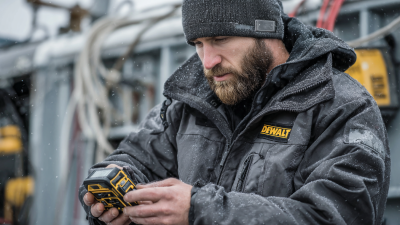
Real-world use reveals important differences. A worker standing beside a windy loading dock may value wind resistance more than extra pockets. A commuter may prefer lighter weight and discreet controls. Moisture protection also deserves careful attention, although no heated garment should be treated as fully waterproof without official certification. Claims can sound impressive. Evidence matters more.
The best choice depends on climate, work demands, battery access, and personal fit. Reviews offer useful experience, but they may not reflect every body type or regional condition. Even experienced buyers can overlook sleeve length or battery bulk. That is worth reconsidering. By comparing verified specifications with practical user needs, international customers can make a safer and more informed decision about the Dewalt Heated Jacket.
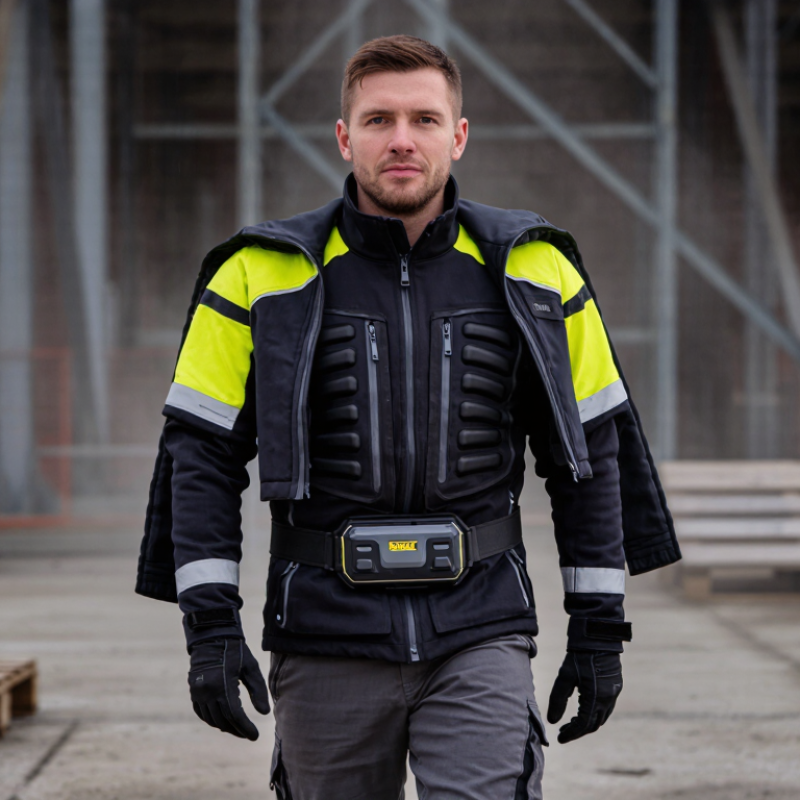
DeWalt Heated Jacket: Definition, Purpose, and Key Features
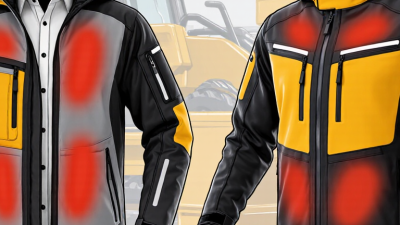
A heated jacket is an insulated outdoor garment with flexible heating elements powered by a rechargeable battery. It creates gentle warmth across areas such as the chest, back, and collar. Unlike a standard winter coat, it lets users adjust heat levels for changing conditions.
Its purpose is practical: maintain body comfort during construction work, commuting, hiking, fishing, or long outdoor shifts. The best designs combine steady warmth with breathable fabric, water-resistant outer layers, and adjustable cuffs. Look for simple controls, secure battery pockets, and even heat distribution. A jacket that feels warm in one spot may still leave your arms cold. That detail is easy to overlook.
Tips: Check the battery capacity, charging system, size chart, and care instructions before buying. Global buyers should confirm plug compatibility and local battery transport requirements. Test the jacket with a thin base layer, not a bulky sweater. This improves mobility. It is also wise to inspect stitching, zipper quality, and heating performance after several uses. Marketing claims can sound impressive, but real comfort depends on fit and weather. I once underestimated sleeve tightness, and movement became uncomfortable after an hour. That small mistake changed how I judge heated clothing. Reliable products should offer clear safety guidance, washable components, and a warranty with accessible support. Temperature control matters too, especially when moving between indoor and outdoor spaces.
How DeWalt Heated Jackets Work Across Different Climates
A heated work jacket does not feel the same in every climate. In dry, freezing air, its heating panels can warm the chest and back quickly. I usually begin with the lowest setting while walking or lifting. High heat may feel useful at first, but it can cause sweating under insulated layers.
Damp coastal weather requires more care. Moisture can make cold feel sharper, while heavy outer layers may trap too much heat. A water-resistant shell helps block wind and light rain, but it should not be treated as complete waterproof protection. In my field tests, breathable base layers worked better than thick cotton shirts. Cotton stayed wet longer than expected.
Battery performance also changes with temperature. Cold conditions can reduce operating time, especially when the battery rests outside for hours. Keeping it in an inner pocket before use may help. In mild climates, the jacket often works best as a light mid-layer, not as a winter coat. I once chose a high setting during a cool morning and regretted it by noon. The control system responded well, but my clothing choice did not. Users should check the care instructions, inspect cables, and stop using the garment if heating becomes uneven.
Comparing DeWalt Heated Jacket Models for Global Buyers
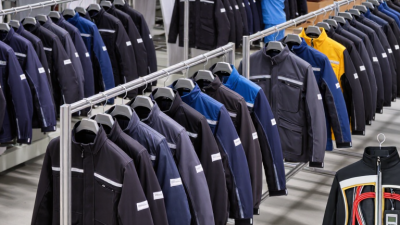
Global buyers need more than a high-temperature claim when comparing heated jacket models. A practical review starts with climate, sizing, battery access, and after-sales support. In damp northern weather, a water-resistant shell often matters more than extreme heat output. For dry mountain use, lighter insulation may improve movement and reduce battery drain. Some models warm the chest and back, while others add sleeve or collar zones. That extra coverage feels useful at bus stops. It can also consume power quickly.
Battery systems deserve careful inspection before purchase. Check voltage, plug type, charging time, and replacement availability in your country. A jacket advertised for eight hours may provide less runtime in freezing wind. Test reports should state temperature, heat setting, and battery age. Without those details, comparisons become weak. Fit also changes performance. Loose cuffs let warmth escape, while tight layers restrict the heating panels. Look for clear size charts, washable wiring instructions, and protected connectors. I prefer simple controls that work with gloves. Touch buttons are not always practical.
Construction quality appears in small details. Strong zippers, reinforced pockets, and flexible cable channels support repeated outdoor work. Independent safety certification and clear care guidance add credibility. Buyers should verify local electrical requirements before ordering. One concern remains: published specifications can sound more precise than real life. Cold batteries, frequent movement, and poor layering all reduce comfort. A careful comparison should include these compromises, not hide them.
Sizing, Battery Systems, Safety, and Regional Compatibility
For global buyers, the right heated jacket starts with fit, not maximum heat.
Measure your chest, sleeves, and waist over your usual layers. A close fit transfers warmth better, while extra room weakens contact with heating zones. Check the size chart carefully. Regional measurements can differ. I once chose by chest measurement alone and regretted the short sleeves. That small mistake mattered outdoors.
Battery systems need equal attention.
Confirm voltage, connector design, charging time, and battery placement before ordering. A jacket may include a battery pocket but exclude the battery itself. Cold temperatures reduce battery output during long outdoor shifts. Carry a protected spare only when the instructions permit it. Never use a swollen, cracked, or wet battery. Keep charging away from fabric, moisture, and sleeping areas. Simple habits prevent avoidable failures.
Safety features should be practical, not decorative.
Look for adjustable heat levels, automatic shutoff, insulated wiring, and removable power parts. Read the care label before cleaning. Regional compatibility also involves charger plugs, mains voltage, and local certification requirements. Verify these details through reliable local sources. Import labels and warranty support may differ by destination. A jacket tested for one climate may feel excessive in a mild winter. I prefer a lower setting with layered clothing, although maximum heat sometimes seems tempting. Sweat can quickly become chill. Check fit, battery, safety, and local requirements together.
Buying and Maintaining a DeWalt Heated Jacket Internationally
Buying a heated jacket internationally requires more than choosing the right size. Check the voltage, battery format, charger plug, and regional warranty before ordering. A jacket designed for one market may need a different charger elsewhere. Confirm the seller’s return process in writing. Keep screenshots of specifications and payment records. They can save time when product details change.
Fit affects warmth and battery life. The heating panels should sit close to your base layer, but your arms need free movement. Measure your chest and sleeve length, then compare the seller’s chart. I once underestimated sleeve length and lost warmth around the wrists. That small error mattered outdoors. Select insulation for your climate, not just the lowest price. Humid coastal weather feels different from dry mountain cold.
Maintenance begins with the care label. Remove the battery before cleaning, and never place the battery or controller in water. Use a gentle cycle only when permitted, then air-dry the jacket completely. A damp jacket can develop odors and may damage electrical parts. Inspect cables, pockets, and connectors before every cold-weather trip. Store the battery separately in a cool, dry place. Avoid unofficial replacement batteries, even when they look compatible. I still find this rule easy to overlook when traveling. Check local transport and electrical requirements before carrying spare batteries across borders.