How to Choose the Perfect Beach Outfit

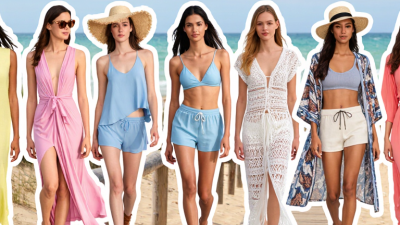
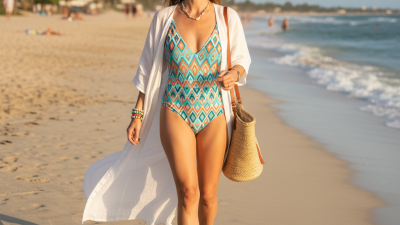
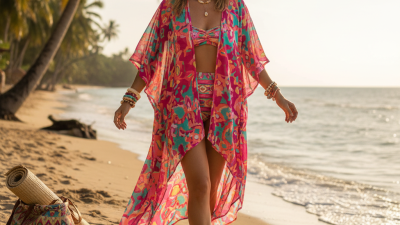
Choosing a Beach Outfit is less about copying a trend and more about matching comfort to the shore. A breezy cover-up suits a hot boardwalk. Secure swimwear and quick-drying shorts work better for swimming or beach games. Small details matter. Sand can cling to textured fabric, and a loose hat may blow away in a coastal gust. Fit the outfit to the day, not just the photograph.

Check the forecast and consider how you plan to spend your time. Breathable fabrics can feel more comfortable in warm weather, while a light layer helps when the wind picks up. If you expect to swim, choose pieces that stay secure when wet and dry reasonably quickly. For sun protection, look for clothing with a stated UPF rating, and remember that clothing is only one part of sun-safe habits. A hat, shade, and sunscreen on exposed skin still matter.

Think about practical comfort, too: straps, waistbands, and seams should feel good when you sit, walk, or carry a beach bag. Before leaving, try the outfit with your sandals and cover-up; a detail that looks fine indoors may feel awkward on sand. Not every useful choice looks perfect in a photo. That is worth remembering. The best Beach Outfit is personal, practical, and suited to your plans, even if it takes a little trial and reflection to find it.

How to Choose the Perfect Beach Outfit

Identify the Beach Setting, Activities, and Dress Requirements

A beach outfit should fit the actual shoreline, not just a sunny photo. Soft sand and a calm bay call for swimwear, a light cover-up, and sandals that slip off easily. Rocky coves need secure footwear with grip; loose flip-flops can become a nuisance. Check the forecast, wind, and tide before packing. Small details matter.

Match clothes to your plans. For swimming, choose fabric that dries quickly and a cover-up you can pull on without fuss. For volleyball or a long walk, secure straps and flexible shorts are more practical than a flowing wrap. The U.S. EPA’s UV Index scale classifies readings of 6–7 as high and 8 or above as very high, so plan sun-covering layers when readings rise. A broad-brimmed hat helps, though wind can make it awkward. I still forget that part sometimes.

Check dress requirements before leaving, especially if your day includes a beach club, restaurant, or guided activity. Some places expect a shirt and footwear indoors; others require specific gear for water sports. A thin button-up shirt can cover wet swimwear and work for lunch, but it may cling when damp. I’d pack a dry change of clothes rather than assume one outfit will handle everything.

Assess Weather, Sun Exposure, and Water Conditions

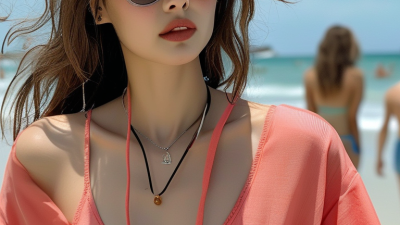
Check the hourly forecast, not just the day’s high. A warm morning can turn breezy by late afternoon, especially near open water. I once packed only for the sunshine and spent the ride home shivering. A light, loose cover-up gives you an easy layer without taking much space. Check the wind.

Sun exposure matters even when clouds soften the light. Look at the UV forecast and plan for shade during the strongest sun. A tightly woven, long-sleeved shirt, a brimmed hat, and sunglasses can add useful coverage. Apply broad-spectrum sunscreen to exposed skin and follow its label for reapplication. No outfit replaces shade or sunscreen.

Water conditions can change what feels comfortable. Cold water may leave you chilly after a swim, while warm, humid weather makes quick-drying fabric more practical. For rocky entries or hot sand, consider secure footwear with soles suited to the surface. Water changes things. If waves are rough, skip loose accessories that could slip off, and keep a dry layer nearby. I still sometimes misjudge the breeze, so I leave room in my bag for one extra layer.

How to Choose the Perfect Beach Outfit — Assess Weather, Sun Exposure, and Water Conditions

Conditions to Assess What to Look For Suggested Beach Outfit Practical Notes
Warm, sunny weather High temperatures, direct sunlight, and little cloud cover. Lightweight, breathable clothing; a wide-brimmed hat; sunglasses; and sandals that are comfortable on hot sand. Choose clothing that covers more skin when practical. Use broad-spectrum sunscreen and reapply it according to its label, especially after swimming or sweating.
UV Index 0–2 Low ultraviolet radiation, though exposure can still add up over time. Comfortable casual beachwear, with sunglasses and a hat for extended time outdoors. Check the local forecast: UV levels can vary by time of day, altitude, cloud cover, and reflective surfaces.
UV Index 3–7 Moderate to high ultraviolet radiation. Sun protection is recommended. A cover-up or lightweight long-sleeved shirt, a broad-brimmed hat, sunglasses, and swimwear suited to your planned activities. Seek shade during peak sun hours when possible. Apply broad-spectrum sunscreen to exposed skin; clothing coverage is a useful additional layer of protection.
UV Index 8 or higher Very high to extreme ultraviolet radiation. More extensive coverage, such as a lightweight long-sleeved top and longer swimwear, plus a hat and sunglasses. Limit time in direct sun, especially around midday, and use shade and sunscreen. Water and sand can reflect sunlight, so exposed skin may still receive UV radiation.
Windy or breezy conditions Wind can make the air feel cooler and can blow sand around, even on a sunny day. Bring a light wind-resistant layer and choose clothing that stays secure in gusts. A cover-up can help after swimming or when the breeze picks up. Secure hats and loose items so they do not blow away.
Cool air or changing weather Lower temperatures, cloud cover, or a forecast for showers. Use removable layers over swimwear, such as a light top and comfortable shorts or trousers; pack a dry change of clothes. Check the hourly forecast before leaving. Clouds do not necessarily eliminate UV exposure, so keep sun protection in your plans.
Cold water or a long swim Water temperature, swim duration, and your own comfort and experience level. For activities where it is appropriate, consider a properly fitted wetsuit; bring warm, dry layers for afterward. Cold-water comfort varies from person to person. Check local water guidance and avoid treating clothing as a substitute for safe swimming practices.
Waves, currents, or rocky access Surf conditions, local hazard warnings, water depth, and the surface you must cross. Wear secure swimwear that allows free movement. Consider water shoes where local rules and conditions make them suitable. Clothing cannot protect against rip currents or rough surf. Follow posted signs and lifeguard advice, and swim only where it is safe to do so.
Long day with swimming and time on shore Changing exposure to sun, wind, wet clothing, and hot sand throughout the day. Pack swimwear, a cover-up, a dry change of clothes, a hat, sunglasses, and comfortable footwear. Choose quick-drying items if you expect to swim more than once, and keep dry clothing in a separate bag.

Choose Comfortable, Quick-Drying Clothing for the Day

A beach outfit should feel easy before the first swim, not cling like a damp towel afterward. Choose a lightweight shirt and shorts made from quick-drying synthetic fabric, such as polyester or nylon.

Textile Exchange’s Materials Market Report 2024 estimates polyester made up 57% of global fiber production in 2023. That figure describes production, not drying performance, but it shows how common the fiber is.

Check the garment label and seams; fabric weight and weave also affect how it feels when wet.

Keep the fit loose enough for airflow, but secure enough to walk or play comfortably. A thin, long-sleeved layer can help when the sea breeze picks up. Pack a dry change of clothes in a separate bag.

Small detail. It matters.

Cotton can feel soft, yet heavier cotton garments may stay damp longer after swimming, so save them for dry stretches or the trip home.

Try your outfit before leaving: sit, stretch, and raise your arms. I still sometimes pick a favorite shirt that takes ages to dry. Comfort wins, but it takes a little testing.

Select Suitable Footwear and Practical Accessories

Footwear can make a beach day comfortable or turn a short walk into a nuisance. Choose sandals with a secure strap and a sole that grips when wet. Loose flip-flops are easy to slip on, but they may rub during a long walk. For rocky shores or hot sand, lightweight water shoes offer more coverage. Try them on before your trip. A shoe that feels fine indoors may pinch once sand gets inside.

Pack accessories for the conditions, not just the photos. A wide-brimmed hat shades your face and neck, while sunglasses with UV protection help reduce sun exposure to your eyes. Bring sunscreen and reapply it according to its label, especially after swimming or toweling off. A reusable water bottle, a quick-drying towel, and a small bag for damp clothes can make changing easier. Keep your phone and keys in a sealed pouch, but do not assume every pouch is fully waterproof.

Check the forecast and shoreline before leaving; wind can make a light cover-up surprisingly useful. I often forget that part. If you plan to walk over uneven ground, choose shoes with a firm fit rather than bare feet. Sand still finds its way into everything, so leave room in your bag for a quick rinse and a little patience.

Check Fit, Coverage, and Sun Protection Before Leaving

How to Choose the Perfect Beach Outfit

A beach outfit should stay comfortable when you sit, reach, and walk through shallow water. Before leaving, raise both arms and bend forward; straps should stay put, and fabric should not pull sharply across the seams. Check coverage in a mirror, including your shoulders, back, and thighs. A loose shirt may shift in wind, while tight fabric can feel restrictive when wet. Small details matter.

Sun protection deserves the same check as fit. The World Health Organization recommends protection when the UV Index reaches 3 or higher. The Skin Cancer Foundation states that UPF 50 fabric blocks about 98 percent of UV radiation. Look for a garment’s UPF rating, and cover areas such as the shoulders with a rash guard or lightweight shirt. No outfit is perfect. I sometimes overlook the back of my neck, an easy spot to miss when dressing quickly. Apply broad-spectrum sunscreen to exposed skin, and follow its label for reapplication; clothing does not cover every gap. Before heading out, check the day’s UV forecast and make sure your coverage still feels comfortable when you move.

How Clothing UPF Helps Block UV Rays

UPF indicates how much UV radiation a fabric blocks. The percentages are calculated from the UPF rating: UPF 15 blocks about 93.3%, UPF 30 about 96.7%, and UPF 50 about 98%. UPF 50+ blocks at least 98%. Choose clothing that fits comfortably and covers the areas you want protected; use sunscreen on exposed skin.