The 2026 beachwear market is moving beyond simple swimwear and seasonal colors. Global buyers now want comfort, function, and responsible design in every Beach Outfit. Retail observations show stronger interest in versatile pieces that move from shoreline to café. Lightweight cover-ups, relaxed linen shirts, tailored swim shorts, and soft co-ordinated sets are gaining attention. Neutral sand, ocean blue, coral, and sun-faded green create an easy visual story.
Practical details will shape purchasing decisions. Quick-drying fabrics help after swimming. Adjustable straps improve fit across different body types. Deep pockets add value, but they should not feel bulky. Buyers should examine fiber content, stitching, colorfastness, and care instructions before placing orders. UV-protection claims also require reliable testing evidence. Responsible sourcing matters more than attractive packaging. Suppliers with transparent production information, consistent sizing, and clear compliance records deserve closer consideration.
Not every trend will suit every market. A dramatic cut may photograph well, yet perform poorly in conservative retail channels. Bright colors can attract attention, but they may increase inventory risk. That tension deserves honest review. The strongest 2026 collections may combine fashionable details with dependable wearability. Think textured cotton, recycled fibers, breathable mesh panels, and modest layering options. Small imperfections remain possible, especially with natural fabrics and new suppliers. Buyers should test samples in real sunlight, saltwater, and active movement before committing. This guide explores the most promising trends, while questioning which ones truly deliver lasting value.

The 2026 beachwear market will favor adaptable pieces over single-use holiday clothing. Statista Market Insights projects global swimwear revenue to surpass US$30 billion by 2029. This growth reflects wider demand for practical, visually distinctive products.
Buyers are watching fabric performance more closely. Quick-drying nylon, recycled polyester, and lightweight linen blends support movement from shore to café. The 2025 McKinsey State of Fashion report highlights continued price sensitivity among global consumers. Therefore, durable stitching, adjustable waists, and versatile cover-ups may matter more than decoration.
Think of a loose shirt, salt-stained sandals, and a swimsuit that works under city shorts.
Regional preferences still shape purchasing decisions. European buyers may prefer understated colors and tailored silhouettes. Tropical markets often respond to breathable fabrics, strong sun coverage, and brighter tones. Asia-Pacific demand is increasingly connected to travel, social photography, and compact packing.
The Global Wellness Institute reports continued growth in wellness travel, which supports modest, movement-friendly beach layers. Yet this connection is not perfect. Travel demand can change quickly with weather, currency pressure, or transport costs.
Sizing deserves closer attention in 2026. A beach outfit that fits only one body type will limit international sales. Buyers should request measurement charts, stretch testing, colorfastness checks, and product photographs in natural light. Trend forecasting can guide decisions, but real customer feedback remains harder to replace.

2026 Best Beach Outfit Trends for Global Buyers
Beachwear is moving beyond the basic swimsuit. Key categories now include one-piece suits, coordinated bikinis, rash guards, lightweight shirts, cover-ups, and relaxed beach trousers. Grand View Research estimated the global swimwear market at approximately USD 20.8 billion in 2023, with continued growth expected through 2030. That expansion creates room for practical, mix-and-match collections.
Layering matters.
A clean buyer assortment should connect each category through shared styling components. Pair a high-waisted bottom with an oversized linen-look shirt or a short wrap skirt. Add wide-leg trousers for travel and sunset dining. Rash guards should offer close fits, flat seams, and credible UPF protection, not just sporty graphics. Quick-drying fabric, chlorine resistance, secure pockets, and adjustable straps also influence repeat purchases. Textile Exchange reported that polyester represented about 57% of global fiber production in 2023, but recycled content and end-of-life planning still require careful verification.
Color direction can combine mineral blue, sand, coral, and deep green. However, global buyers should avoid assuming one palette suits every market. In fitting reviews, modesty preferences, torso length, and coverage expectations often change the selling result. Sizing remains imperfect. A visually strong sample may still fail across different body proportions. Buyers should request measurement charts, stretch recovery tests, fabric composition, and wash results before committing. Euromonitor International’s apparel research also highlights value-conscious consumers, making versatile pieces more commercially useful than highly seasonal designs.
| Beach Outfit Category | 2026 Direction | Essential Garments | Recommended Materials | Key Styling Components | Best Use Case | Buyer Considerations |
|---|---|---|---|---|---|---|
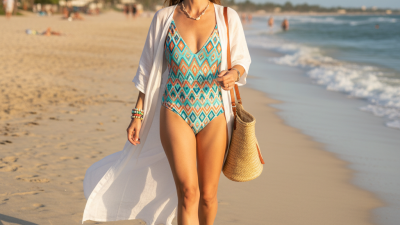
| Minimal One-Piece Swimwear | Clean silhouettes, adjustable details, and designs that can be styled as ready-to-wear. | One-piece swimsuit, removable cups, adjustable straps, optional belt. | Chlorine-resistant stretch fabric, recycled polyamide, elastane blends. | Oversized shirt, woven tote, flat sandals, lightweight jewelry. | Resort pools, beach clubs, and travel wardrobes requiring day-to-evening flexibility. | Check bust support, lining opacity, strap adjustability, and colorfastness. |
| Mix-and-Match Bikini Sets | Coordinated separates with varied coverage, reversible options, and modular color stories. | Triangle, bandeau, or underwire top; high-waist, tie-side, or brief bottom. | Four-way stretch swim fabric with soft lining and secure elastic recovery. | Contrasting top and bottom, pareo, waterproof pouch, shell-inspired accessories. | Broad consumer appeal and flexible fit preferences. | Offer clear size charts and separate top-and-bottom sizing where possible. |
| High-Coverage Swimwear | Sport-inspired coverage combining modesty, movement, and sun-conscious dressing. | Long-sleeve rash guard, swim leggings, swim tunic, supportive one-piece. | Quick-drying nylon or polyester blends with stretch and flat seams. | Cap, lightweight water shoes, crossbody dry bag, longline cover-up. | Active holidays, family travel, water sports, and stronger sun exposure. | Do not imply a specific UV protection rating unless the garment has been tested and certified. |
| Beach Shirts and Overshirts | Relaxed tailoring, breathable texture, and oversized proportions for easy layering. | Camp-collar shirt, button-front shirt, cropped shirt, lightweight overshirt. | Linen, cotton voile, cotton-linen blends, Tencel™ lyocell, airy viscose. | Wear open over swimwear or tucked into wide-leg trousers with rolled sleeves. | A versatile layer for transit, lunch, sightseeing, and sunset settings. | Prioritize breathability, shrinkage control, colorfastness, and easy-care finishing. |
| Sarongs and Pareos | Multi-use draping with larger dimensions, artisanal texture, and coordinated prints. | Rectangular sarong, wrap skirt, scarf, convertible beach shawl. | Cotton voile, rayon, linen blends, recycled polyester chiffon. | Side knot, halter tie, shoulder drape, or waist wrap over swimwear. | Compact packing, quick outfit changes, and warm-weather layering. | Specify finished dimensions, edge construction, opacity, and color bleeding performance. |
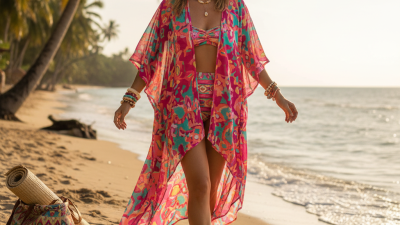
| Beach Dresses and Cover-Ups | Loose maxi, slip, and shirt-dress shapes designed to move from shore to casual dining. | Maxi dress, crochet cover-up, tiered midi, drawstring beach dress. | Open-knit cotton, linen, viscose, cotton gauze, lightweight jersey. | Waist tie, side slit, adjustable straps, layered swimwear foundation. | Resort travel, poolside dining, and destinations with casual dress codes. | Balance transparency with intended use; test seam stability in open-knit constructions. |
| Beach Trousers and Shorts | Relaxed wide legs, pull-on waists, and coordinated sets emphasizing comfort. | Wide-leg trousers, drawstring pants, linen shorts, utility-inspired shorts. | Linen blends, cotton poplin, seersucker, lightweight recycled nylon. | Matching shirt, tucked tank, woven belt, espadrille-style footwear. | Travel days, boardwalks, outdoor cafés, and non-swim beach activities. | Use breathable fabrics and practical pockets; confirm inseam options for different markets. |
| Coordinated Beach Sets | Matching separates with interchangeable styling and subtle texture-led patterns. | Short-sleeve shirt with shorts, camisole with pants, vest with skirt. | Linen-viscose, cotton seersucker, crinkle woven fabrics, airy jersey. | Wear as a complete look or split into separates with swimwear and denim. | High outfit value for travelers seeking a small, versatile holiday wardrobe. | Keep fabric weight and color consistent across the full set; provide mix-and-match imagery. |
| Sun-Protective Accessories | Functional accessories with packable construction and understated, coordinated styling. | Wide-brim hat, UV sunglasses, lightweight scarf, sun sleeves, water-resistant pouch. | Straw or paper braid, recycled nylon, cotton, polyester, polarized lens materials. | Coordinate accessories with swimwear accents or use natural neutral tones. | Bright destinations, sightseeing, boat trips, and extended outdoor exposure. | State tested protection or compliance details accurately; include packability and care information. |
| Beach Footwear and Carryalls | Lightweight, water-aware designs that combine practical traction with polished resort styling. | Water sandals, slide sandals, espadrilles, woven tote, compact dry bag. | Rubber or EVA soles, quick-dry synthetics, cotton canvas, woven natural fibers. | Pair simple swimwear with a textured tote or use tonal accessories for a refined look. | Beach walking, pool areas, markets, travel transfers, and everyday resort use. | Review grip, drainage, strap comfort, load capacity, abrasion resistance, and cleaning instructions. |
For global buyers, 2026 beachwear will balance visual freshness with practical performance. Textile Exchange’s Materials Market Report 2024 recorded 124 million tonnes of global fiber production in 2023. Polyester represented about 57%, but recycled content and traceable sourcing are gaining attention. Lightweight recycled nylon, linen blends, and quick-dry cellulose fabrics may suit swim cover-ups, shirts, and relaxed trousers. Comfort remains essential.
Color directions are becoming more grounded. Soft mineral blue, sea-glass green, sun-washed coral, and warm sand can work across different markets. Small-scale stripes, abstract waves, and hand-drawn botanical patterns add interest without becoming difficult to merchandise. WGSN and Coloro trend research has repeatedly highlighted nature-based palettes and tactile surfaces. Still, forecasts are not guarantees. Buyers should test colors locally, because a popular resort shade may perform poorly in another region.
Tips: Request fiber certificates, colorfastness results, and UPF test reports. Check fabric recovery after repeated stretching. Inspect pocket depth, adjustable waist cords, and secure closures on samples. A hidden phone pocket can improve real use. Mesh panels may increase airflow, but they can weaken durability. Avoid assuming “eco” means low impact; compare recycled content, dye processes, packaging, and supplier traceability. According to the Textile Exchange report, fiber growth continues rapidly, so material claims require careful verification. A simple wear test under strong sunlight may reveal problems that studio samples hide.
Trending beachwear is moving toward quick-drying synthetics, breathable natural fibers, flexible blends, UV protection, and expressive coastal colors and patterns.
The chart compares typical moisture regain at standard textile testing conditions. Lower moisture regain generally supports faster drying, making polyester and nylon practical choices for swimwear, cover-ups, and travel-focused beach outfits. Cotton and linen remain popular for breathable shirts, dresses, and relaxed resort styling.
Reference: Typical textile moisture-regain values reported in standard textile science references; actual performance varies by yarn, fabric construction, finishing, and garment design.
2026 beachwear buying will depend less on one global look and more on regional comfort. UN Tourism reported about 1.4 billion international arrivals in 2024, reaching 99% of 2019 levels. That recovery creates varied demand across coastlines, resorts, and cruise destinations. Grand View Research estimates the global swimwear market reached USD 20.12 billion in 2023, with projected annual growth of 4.5% through 2030.
In Gulf markets, buyers may prefer higher coverage, longer layers, and opaque fabrics for family beaches or resort settings. Lightweight tunics and adjustable sleeves can support modest styling without sacrificing airflow.
In Japan and South Korea, clean lines, sun protection, and compact silhouettes may perform well. European buyers often accept bolder cuts, but practical packability still matters.
Latin American markets may respond to brighter colors and body-conscious shapes, although income, climate, and local customs vary widely. Fit is personal.
Cultural research should guide design, not replace local testing. The 2025 State of Fashion report from The Business of Fashion and McKinsey highlights continuing consumer pressure for value, making durability and multi-use styling important. A cover-up that works beside the pool and at a café offers clearer value. UPF-rated fabrics, quick drying, secure pockets, and inclusive sizing add practical credibility. Color assumptions can mislead. A palette viewed as festive in one market may feel unsuitable elsewhere. We should admit that regional labels can oversimplify. Buyer interviews, local fit trials, and sales data should challenge the first design brief.
For 2026, beachwear buyers are prioritizing lightweight layers, relaxed tailoring, and quick-drying fabrics. Quality begins with fabric recovery, seam strength, colorfastness, and reliable sizing. I recommend testing samples after washing, saltwater exposure, and several hours of sunlight. A soft fabric can still lose shape quickly. Check stitching around waistbands, pockets, and adjustable straps. These areas often reveal production weaknesses.
Sustainability requires evidence, not attractive wording. Ask suppliers about recycled content, dye processes, packaging, and wastewater controls. Request current test reports and material documentation from recognized laboratories. A recycled claim without traceable records deserves caution. Supplier capacity matters too. Confirm minimum order quantities, lead times, inspection procedures, and replacement policies before payment. Regional production may reduce shipping distance, but it is not automatically more sustainable. The full supply chain needs review.
Tips: Build a measurement chart using body data from your target markets. Compare at least three size samples, including one larger size. Provide clear tolerances for chest, waist, rise, and garment length. Keep fabric swatches for color comparison. Do not rely only on digital images; screens distort shade and texture. I have found that supplier questionnaires can miss daily factory problems, so independent inspections remain valuable. Some buyers may also overlook worker welfare when focusing on price. That is a serious gap. Thin cover-ups, practical pockets, and modest adjustable designs can serve varied customer needs, but comfort testing should include movement, heat, and wet fabric.