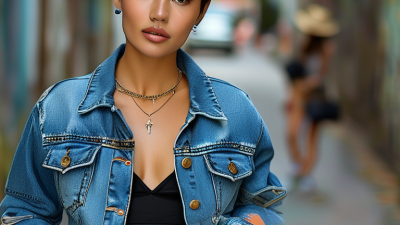
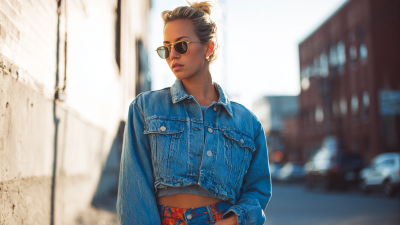
A Cropped Denim Jacket is more than a shortened denim layer for wholesale buyers. It is a commercial product shaped by fit, fabric, finishing, and customer expectations. The best options balance a defined waist with practical movement. Buyers should inspect shoulder width, sleeve proportion, hem stability, and button strength before placing larger orders. A sample may look attractive on a mannequin but feel restrictive during daily wear.
Amy Leverton, a respected denim forecaster and author of Denim Dudes, describes denim as “a truly global fabric, worn by everyone, everywhere.” Her observation matters here. A Cropped Denim Jacket must translate across markets, body shapes, seasons, and styling habits. Wholesale buyers often need versatile washes, dependable sizing, and consistent production across repeated shipments. Medium blue remains familiar. Washed black can serve more urban collections. Rigid denim offers structure, while a small amount of stretch may improve comfort.
The details can decide reorder potential. Check whether the cropped hem sits cleanly over high-rise jeans. Examine fading around the chest, elbows, and seams. Uneven distressing may weaken a product’s professional appeal. Metal hardware should close smoothly and resist visible discoloration. These checks sound basic. They are not always completed carefully.
A reliable buying process also considers lead times, fabric weight, care labels, and packaging efficiency. No jacket suits every retailer. That is the difficult part. A low-cost style may sell quickly but create returns if grading is poor. A premium finish may impress buyers but exceed the target price. This guide examines how wholesale professionals can judge value, quality, and market fit before committing inventory.
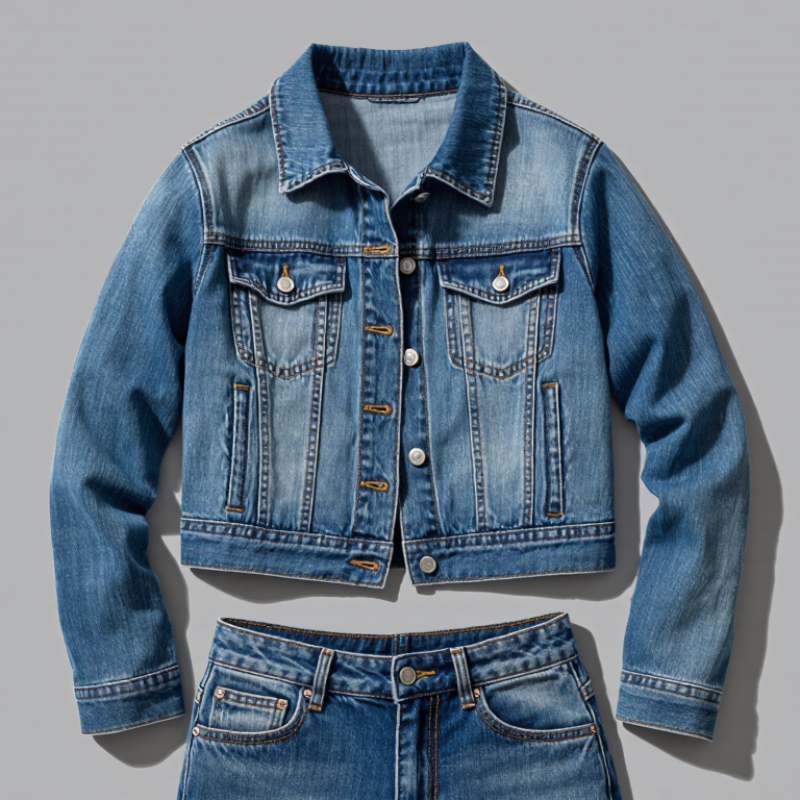
A cropped denim jacket is a denim outer layer with a shorter body length than a traditional jacket. For wholesale buyers, its defining feature is the raised hem, which often sits near the waist or upper hip. This shape creates a sharper, more fashion-focused silhouette. It can also make layered outfits look less bulky. Small detail, major effect.
Core features include sturdy denim, a structured shoulder line, front fastening, and carefully finished seams. The hem may be straight, curved, raw, or lightly frayed. Sleeve length and cuff design also affect the jacket’s commercial appeal. A balanced cropped fit should allow movement without losing its compact shape. Buyers should request a complete measurement chart, including body length, chest width, sleeve length, and hem opening.
Fabric weight deserves close attention. Medium-weight denim usually offers practical structure without feeling too rigid for everyday wear. Wash consistency matters as well, especially across larger production runs. Reliable suppliers should explain shrinkage testing, colorfastness checks, stitching standards, and size grading methods. These details help buyers compare samples with bulk production more accurately. Yet the cropped shape is not universally flattering. That assumption can fail. Longer torsos may need extended proportions, while petite customers may prefer a shorter hem. A sample review should include different body types, not only a standard fit model.

A cropped denim jacket ends near the waist or upper hip, creating a shorter, structured silhouette. For wholesale buyers, fabric selection affects comfort, durability, and production consistency. Cotton denim offers dependable shape and a familiar hand feel. Adding a small amount of elastane improves movement, especially around the shoulders. However, excessive stretch can weaken recovery after repeated wear. That trade-off deserves testing.
Fit should be checked on several body types, not only one sample model. A boxy cut suits layered outfits, while a shaped waist creates a sharper appearance. Dropped shoulders can look modern but may increase fabric use. Buyers should measure sleeve length, chest width, hem opening, and jacket length. Small measurement changes can alter the whole silhouette. It happens often.
Wash development strongly influences wholesale appeal. Light washes feel casual and seasonal, while medium indigo supports wider retail use. Dark washes look cleaner but may show uneven fading near seams. Inspect whiskers, sanding, color contrast, and shrinkage after laundering. Over-processing can produce attractive texture, yet it may reduce fabric strength. The effect is easy to miss in photographs.
Construction details reveal manufacturing reliability. Check bar tacks at pocket corners, secure belt loops, balanced topstitching, and smooth metal-free closures where appropriate. Cropped hems need stable stitching to prevent twisting or early fraying. A sample may look excellent but still hide weak seam allowance. Buyers should request wash tests, measurement charts, and repeated sample inspections before placing larger orders.
A cropped denim jacket is defined by its shorter body length and structured proportions. Buyers should specify chest, shoulder, sleeve, cuff, and finished length measurements. A practical tolerance is usually plus or minus 0.5 centimeters. Fabric weight matters too. Denim between 10 and 12 ounces often balances shape, comfort, and shipping cost. The fabric composition should state cotton content and any stretch fiber clearly. A detailed tech pack prevents avoidable confusion.
Quality inspection should cover construction, fabric, hardware, and washing results. Look for 10 to 12 stitches per inch, even seams, secure bartacks, and clean thread trimming. Buttons must resist repeated opening, while metal parts should show no sharp edges or unstable plating. Buyers should request shrinkage and colorfastness test reports. A shrinkage rate below 3 percent is commonly preferred, but the agreed standard must appear in writing. An approved AQL level can guide final inspections.
A perfect sample is not enough. I have seen attractive samples hide uneven grading or weak sleeve seams in bulk production. Request a size set and a pre-production sample before cutting the full order. Measure the first production pieces against the approved chart. Check collar symmetry under bright light. Also inspect cartons for moisture, odor, and crushed corners. Some buyers overlook packaging details. That mistake can damage otherwise acceptable garments. The best specification is precise, but it should still allow practical review when fabric behavior changes.
A cropped denim jacket usually ends near the natural waist or slightly above the hip. For wholesale buyers, sizing requires more than copying a standard jacket block. Measure chest, shoulder width, sleeve length, and finished body length separately. A two-centimeter change in length can alter the entire silhouette. I have seen samples look attractive on a mannequin but feel restrictive across the shoulders. That mistake is costly.
A practical size range should reflect the target market, not factory convenience. Use a graded measurement chart, then check an actual sample in at least two sizes. Include tolerance limits for chest width and sleeve opening. Denim may relax after wear, but shrinkage can still affect fit. Pre-wash testing matters.
Textile Exchange’s 2024 Materials Market Report states that cotton represented about 22% of global fiber production in 2023, showing why cotton-denim specifications remain commercially important.
Customization can include fabric weight, enzyme washing, fading, contrast stitching, metal trims, embroidery, woven labels, and packaging. A 10–12 oz denim works for lighter layering, while heavier fabric creates a firmer cropped shape. Private label buyers should prepare a clear tech pack with artwork, label placement, care instructions, carton details, and approved color references. McKinsey and The Business of Fashion’s State of Fashion reporting continues to emphasize tighter inventory control and more selective purchasing. Smaller test orders may reduce risk, though they can increase unit costs. That trade-off deserves honest review.
A cropped denim jacket ends near the waist, creating a shorter, structured silhouette. Wholesale buyers should confirm body length, sleeve shape, and grading across sizes. A fashionable sample can still fail during bulk production. Measure the jacket after washing, not only before it. Cotton Incorporated’s 2024 denim consumer research highlights comfort, durability, and fit as important purchase factors. Those details affect repeat orders more than a short-lived trend.
Sourcing begins with fabric selection. Ask for fiber content, fabric weight, colorfastness, shrinkage, and wash-test results. A 9–12 ounce denim often balances structure and seasonal wearability. Request a pre-production sample with the approved buttons, seams, labels, and finishing.
I once underestimated sleeve tightness after stone washing. The sample looked correct, but movement felt restricted. That mistake made wear testing essential. It also showed that technical sheets cannot replace physical checks.
Pricing should include fabric, cutting, sewing, washing, packing, freight, duties, and inspection. Compare suppliers using landed cost, not factory price alone. Grand View Research valued the global denim jeans market at approximately 78 billion dollars in 2023, indicating strong category demand. However, demand does not guarantee healthy margins. Set a realistic MOQ, then negotiate size ratios and reorder terms. Track defect rates, delivery variance, and approved measurements. A lower quotation may hide higher rework costs. Small test orders are slower, but safer for uncertain demand.