How to Choose the Best Snow Jacket for Winter Adventures?
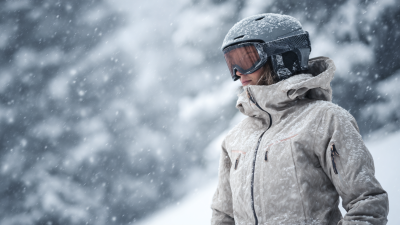
Choosing the right snow jacket can enhance your winter adventures significantly. Renowned outdoor expert Sarah Thompson, who has spent over a decade testing winter gear, shares, “A proper snow jacket is your shield against nature's fury.” When selecting a snow jacket, you need to consider various factors.
The right fabric can make a huge difference. Look for options that provide both warmth and breathability. Insulation types vary widely; some are lightweight, while others are bulkier. Not all jackets fit perfectly, so trying them on is essential. Pay attention to the jacket's length and fit. An ill-fitting snow jacket can hinder movement during outdoor activities.
Additionally, features like waterproof zippers and adjustable hoods are worth considering. They may seem trivial initially, but they can prevent discomfort later. Remember, not every snow jacket suits everyone. Reflect on your specific needs and climate conditions. A thoughtful selection process will ensure a successful winter experience.
Understanding the Key Features of Snow Jackets for Winter Activities
Choosing the right snow jacket can be challenging. Focusing on essential features can make this easier.
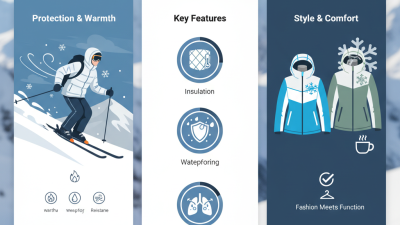
First, look for waterproof materials. A snow jacket should keep you dry even in heavy snow, ensuring comfort during outdoor activities. Breathability is also key. It helps regulate body temperature and prevents overheating.
Consider insulation levels next. A warmer jacket is vital for cold conditions. However, too much insulation may restrict movement. The fit is crucial. Make sure it allows for layering without being too bulky. Check for features like adjustable cuffs and hoods. These enhancements improve versatility and functionality.
Reflect on your specific needs. If you enjoy skiing, a powder skirt could be beneficial. For snowy hikes, pockets for essentials are handy. These small details can greatly affect your experience. Remember, the perfect jacket will depend on your style and activities. Don't rush your choice; take time to assess what you want.
Evaluating Insulation Types for Optimal Warmth and Comfort
When selecting a snow jacket, insulation type plays a crucial role in warmth and comfort. Down insulation offers incredible warmth-to-weight ratio. It keeps you toasty during frigid conditions. However, if it gets wet, down loses its insulating power. Synthetic insulation, on the other hand, provides reliable warmth even when damp. It's often more affordable and easier to care for.
Consider the weight and packability of the insulation as well. Lightweight options are great for backcountry adventures. They can be compressed for easy storage. But is lightweight really warm enough for your needs? Think about your typical winter conditions. Cold, dry days might call for a heavier jacket. Layering can also enhance flexibility.
Evaluate the fit and construction of the jacket. A snug fit maximizes insulation efficiency. Yet, it shouldn't restrict movement. Look for features like adjustable hoods and cuffs. These can improve comfort and protection. Reflect on your priorities. Warmth, breathability, and functionality should guide your choice. Each type of insulation has its pros and cons. Make an informed decision based on your winter activities.
Assessing Waterproofing and Breathability for Varied Winter Conditions
When choosing a snow jacket, assessing waterproofing and breathability is critical. A jacket’s waterproof rating can significantly impact your comfort. Most jackets use a rating system measured in millimeters. A rating of 5,000 mm indicates moderate waterproofing, suitable for light snow. Higher ratings, such as 20,000 mm, are better for heavy snowfall and wet conditions.
Breathability is equally important, especially during high-activity winter adventures. Measured in grams, a jacket's breathability rating indicates how much moisture it can transfer away from the body. Jackets with a rating over 10,000 grams are ideal for exertion. However, finding the right balance can be challenging.
The fabric plays a vital role in performance. Many jackets utilize a two-layer or three-layer construction. Two-layer jackets are generally lighter but may offer less durability. Three-layer options are heavier yet provide superior protection. It is essential to consider the expected weather conditions. Failing to select the right jacket can leave you feeling wet and cold. Research indicates that temperature fluctuations can affect a jacket's performance over extended wear. It’s crucial to evaluate your specific needs before making a decision.
Finding the Right Fit: Importance of Sizing and Layering Options
Choosing the right size snow jacket is crucial for winter adventures. The jacket should fit snugly but allow room for layers. A good fit allows freedom of movement, which is vital when skiing or snowboarding. Measure your chest, waist, and sleeves to find your ideal size. Remember, each brand may have slight variations in sizing. Don’t hesitate to try on multiple options.
Layering is key to staying warm and comfortable. Wearing base layers made of moisture-wicking fabric is essential. These layers should fit close to your skin for better insulation. Mid-layers can include fleece or down jackets, providing extra warmth. The outer layer, your snow jacket, should shield you from wind and moisture. It's important to remember that layers can create bulk. If the jacket feels too tight with layers, you may need a larger size.
Finding the right balance takes time and patience. It’s common to feel overwhelmed when shopping for snow jackets. Every adventurer has different needs and preferences. Some might prioritize warmth, while others focus on mobility. Reflecting on your past winter activities can guide your choice. Stay open to adjustments and be willing to try different configurations to achieve the best comfort for your winter escapades.
Exploring Additional Features: Hoods, Pockets, and Adjustability
When selecting a snow jacket, features like hoods, pockets, and adjustability play critical roles in your comfort and functionality.
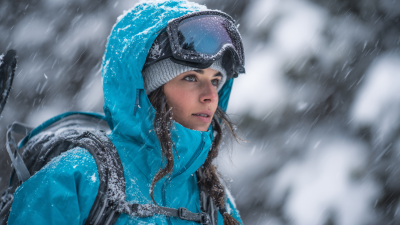
A well-fitted hood can shield your face from biting winds and snowfall. Look for hoods that are adjustable and can fit over a helmet. This gives flexibility, especially in changing weather conditions.
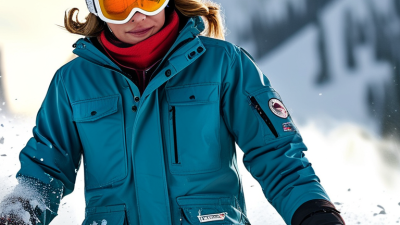
The number and position of pockets are also crucial. Choose a jacket with secure pockets for essentials like your phone and snacks. Zippered pockets keep your belongings safe during your adventures. Some jackets have internal pockets for valuables, which is an added benefit.
Tips: Consider the adjustability of cuffs and hems for a better fit. A snug fit reduces cold air entry. Think about how the jacket will layer with other items. Too tight can restrict movement; too loose might be ineffective against the chill.
Reflect on the balance between functionality and style. A jacket might look great but fail in performance. Always test the jacket by moving around before your purchase. Quality materials and thoughtful design enhance your outdoor experience.