How to Choose the Best Snow Jacket for Your Needs?
Choosing the right snow jacket can be vital for winter sports and outdoor adventures. According to the Outdoor Industry Association, over 7.5 million Americans participate in snow sports every year. A quality snow jacket is essential for comfort and safety in harsh conditions.
Recent studies highlight that 70% of outdoor enthusiasts prioritize waterproofing when selecting a snow jacket. Features like breathability and insulation are also key factors. However, many consumers struggle to navigate the variety of options available. Confusion can lead to poor choices that do not meet specific needs.
Understanding the technical aspects can enhance your experience. Not all jackets are created equal. Research suggests that improperly fitted jackets can reduce your comfort level by 50%. Making an informed decision is crucial to ensure you stay warm and dry on the slopes. A thoughtful approach will enhance both performance and enjoyment.
Factors to Consider When Selecting a Snow Jacket for Various Activities
Choosing the right snow jacket requires careful consideration of various factors related to your activities. The
insulation type is crucial. For skiing, down insulation is popular due to its lightweight warmth, but synthetic options offer better moisture resistance and are easier to maintain.
According to the Outdoor Industry Association, 50% of consumers prioritize weather resistance when selecting jackets.
Fit and mobility play significant roles, especially for active sports. A jacket should allow for proper layering without being too bulky. A survey showed that
70% of winter sports enthusiasts preferred jackets with articulated design. This ensures freedom of movement while maintaining warmth—a critical balance.
Pay attention to features like ventilation systems and waterproof ratings. Breathability prevents overheating during active use. A minimum waterproof rating of
10,000mm is advisable for versatility in snow. However, remember that higher ratings often come with increased weight or cost, which may not suit everyone.
It’s essential to reflect on your specific needs and how these features align with your activities.
Understanding Insulation Types and Their Impact on Heat Retention
Choosing a snow jacket involves understanding insulation types and their effects on heat retention. Insulation affects warmth, breathability, and overall comfort. Different materials perform distinctly in cold conditions.
Down insulation offers an excellent warmth-to-weight ratio. It is lightweight and compressible. However, it loses effectiveness when wet. Synthetic insulation, on the other hand, maintains warmth even in moisture. In a study by the Outdoor Industry Association, 72% of consumers prioritized warmth when selecting jackets.
Most snow jackets use a combination of insulations. This blend aims for versatile performance. Users often overlook the breathability rating, important for active users. A jacket with high insulation may trap heat if it lacks breathability. According to the American Journal of Sports Medicine, proper ventilation can enhance comfort in variable weather. Ultimately, evaluating insulation types helps in making an informed decision.
Evaluating Waterproofing and Breathability Ratings in Snow Jackets
When selecting a snow jacket, understanding waterproofing and breathability ratings is crucial. Waterproof ratings indicate how well a jacket can resist water penetration. Industry standards often measure this in millimeters. A jacket with a waterproof rating of 10,000 mm can withstand a significant amount of rain and snow. However, not all users may need such high-level protection. Casual users might find a rating of 5,000 mm sufficient.
Breathability is equally important. This rating reveals how effectively the fabric releases moisture from perspiration. Measured in grams per square meter (g/m²), a breathability rating of 5,000 g/m² is a baseline for active users. Ideally, for vigorous activities, look for jackets with ratings above 10,000 g/m². Poor breathability can result in discomfort and dampness inside the jacket, diminishing the overall experience.
While these ratings provide a guideline, personal preferences play a significant role. Some may prioritize weight over waterproof levels. Others might seek a heavier, more insulated jacket. Reflecting on these varying needs can lead to better purchases. It's valuable to compare different options and recognize that a higher price may not always equate to improved performance. The right balance will depend on your specific activities and environment.
Choosing the Right Fit: The Importance of Mobility and Layering
Choosing the right fit for your snow jacket is crucial for comfort and performance. Mobility is essential, especially during activities like skiing or snowboarding. According to a report by the Outdoor Industry Association, improper fit can reduce overall performance by up to 30%. A well-fitted jacket allows for ease of movement, which keeps you agile on the slopes.
When considering layering, opt for jackets with adjustable features. This allows you to customize your fit and temperature regulation. A jacket that is too tight can restrict movement and cause discomfort. Conversely, a loose fit may lead to drafts, reducing insulation effectiveness. Pay attention to sleeve length and body cut; these affect mobility significantly.
Tips: Choose a snowboard jacket that features articulated elbows. This can enhance your range of motion. Always try on jackets while wearing layers to ensure a proper fit. Consider materials with four-way stretch for additional mobility. Remember, every body is different; what works for one may not work for another. Embrace the trial-and-error process in finding your ideal snow jacket.
Exploring Features: Pockets, Hoods, and Ventilation Systems in Snow Jackets
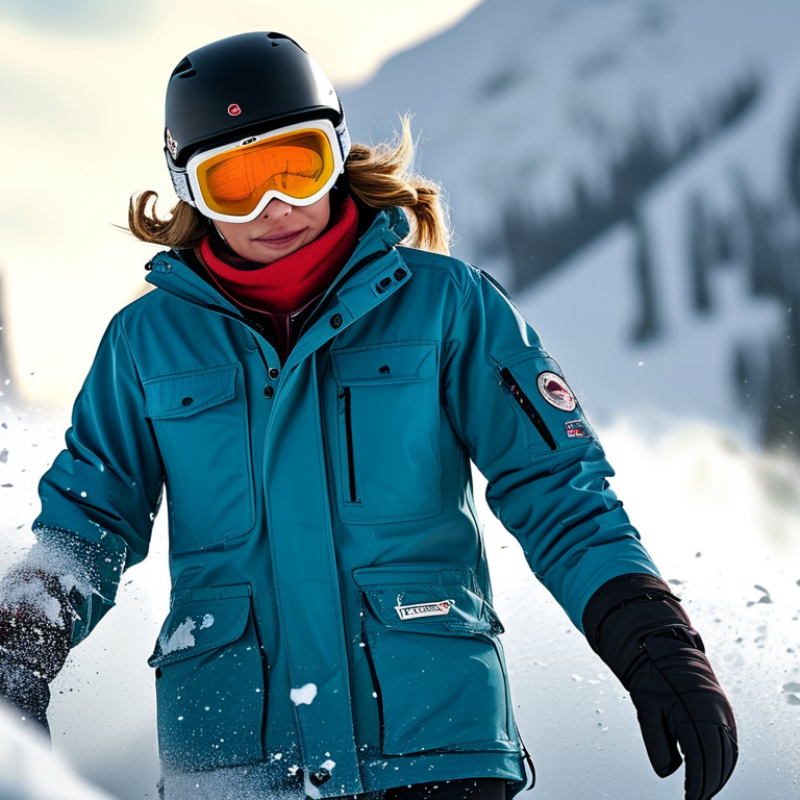
When selecting a snow jacket, pay close attention to important features like pockets, hoods, and ventilation systems. A great snow jacket should provide adequate storage. Look for jackets with multiple pockets, ideally ones that are waterproof. Pocket placement matters. You want easy access without bulky designs.
Hoods can drastically change your comfort level in snow. A well-fitted hood will shield your face from wind and snow. Some jackets have adjustable hoods. This feature allows for a snug fit, keeping cold air out. It's worth testing how the hood fits over a helmet if that's your plan.
Ventilation systems are crucial for regulating body temperature. Underarm zippers or mesh-lined vents let heat escape without sacrificing insulation. When you’re active, too much heat can quickly lead to discomfort, turning a fun day into a miserable one. Evaluate these vents on the jacket you try.
Tips: Always check how the jacket feels when layering. A too-tight fit can limit mobility. Test the jacket in various positions, like bending or reaching. Consider the weight of the fabric; lighter isn’t always better. Weight distribution can affect comfort in the long run.