How to Choose the Best Black Dress for Your Store in 2026?

A Black Dress may look simple on a hanger, but small choices can shape its performance in your store. In 2026, shoppers may compare fabric feel, fit, versatility, and price before making a purchase. Your buying decision should consider all four. A polished product photo cannot reveal a scratchy lining or a zipper that catches. Samples matter.

Start with your customer, not a passing trend. Review sales by size, customer feedback, and the styles shoppers already wear in your market. Then examine the details: fabric weight, opacity, seam finish, lining, stretch, and care instructions. A matte crepe dress might suit workwear buyers, while a soft jersey option may appeal to customers seeking everyday comfort. Neither is automatically better. Fit changes across cuts and size ranges, so assess samples on more than one body type when possible.

The right choice also has to work behind the scenes. Ask suppliers about size consistency, lead times, minimum order quantities, and restocking options. Check whether the expected retail price leaves room for your operating costs and planned promotions. Keep records of sample reviews and customer responses; they can guide future orders. Still, no checklist predicts every result. A color may photograph beautifully and sell slowly. That is worth admitting. Use clear product descriptions, accurate measurements, and honest fabric details to help customers choose with confidence. A thoughtful Black Dress assortment is not simply a row of black garments. It is a set of considered options, tested against your customers’ needs and your store’s real constraints.
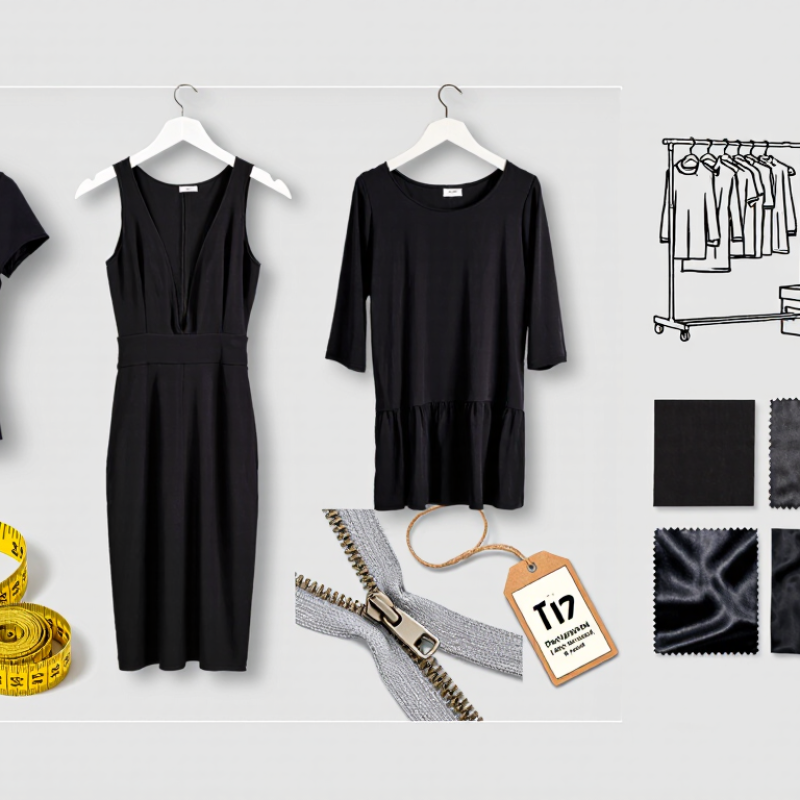
How to Choose the Best Black Dress for Your Store in 2026?

Identify Your Store’s Customers and Black Dress Market

Identify the customer before choosing a black dress assortment. A downtown boutique serving office workers may need matte, knee-length styles with sleeves and pockets. A weekend-focused shop may sell more fitted cuts, softer fabrics, or dressier details. Check your own sales by size, returns, and occasion; customer interviews can reveal why a dress stayed on the rack. Fit matters.

The market is competitive, and broad fashion forecasts are not dress-specific. McKinsey and the Business of Fashion projected global fashion growth of 2–4% in 2025, suggesting measured buying is sensible rather than relying on rapid category growth. The U.S. Census Bureau reported that e-commerce accounted for 16.4% of U.S. retail sales in the fourth quarter of 2024. Use this as channel context, not proof that your customers want to buy dresses online. Start locally.

Compare customer groups using real signals: try-on feedback, search terms, size sell-through, and preferred price points. A small test order across two silhouettes can expose demand before you commit shelf space. It may still mislead; seasonal events and weather can distort results. Record what sold, what was returned, and which sizes shoppers requested but could not find.


Compare Dress Styles for Different Occasions and Body Types

Choosing black dresses for a store means matching cut, fabric, and occasion—not relying on one supposed bestseller. For workwear, a knee-length sheath in matte crepe looks polished under office lights and layers neatly beneath a blazer. A wrap dress allows waist adjustment and easier movement, which can suit shoppers seeking a flexible fit. But wrap ties may shift during a busy day. Check the fastening before placing a large order.

For dinners and events, a slip dress in a heavier satin offers a fluid look, while a fit-and-flare style creates more room through the hips. A-line skirts can feel comfortable for shoppers who prefer less cling; straight-cut dresses may appeal to those who want a cleaner silhouette. These are useful starting points, not rules. Fit varies. Offer several lengths and note where each style sits at the shoulder, waist, and hem. Small details matter.

Consider fabric weight and lining as well as shape. Lightweight jersey travels well, but it may show seams or cling under bright lighting. A lined ponte dress can provide more structure for everyday wear. For a balanced assortment, compare return notes, try samples on different body shapes, and record customer feedback by size. One fit model is not enough. Keep size guidance specific, and describe garment measurements rather than promising that a style will flatter everyone.

How to Choose the Best Black Dress for Your Store in 2026

Compare dress styles for different occasions and body types. Scores show practical styling suitability on a 1–5 scale; they are editorial guidance, not sales or survey data.

Fit tip: A wrap dress offers adjustable waist definition, while an A-line skirt provides room through the hips. Sheath and slip styles create a straighter silhouette; fabric stretch, neckline, and length affect comfort and fit. Offer varied cuts and use garment measurements rather than assuming one style suits every body type.

Assess Fabrics, Construction, Fit, and Care Requirements

A black dress can look polished on a hanger and feel disappointing after one wash. Assess the fabric in daylight, not only under warm shop lighting. Hold it up to check transparency, then rub a hidden section gently to see whether the surface pills or sheds. A medium-weight woven fabric often keeps its shape, while stretch knits may suit customers seeking easier movement. Neither is automatically better. Match the material to the season and the way your customers expect to wear it.

Construction matters at the seams. Check whether stitching is even, closures move smoothly, and lining sits flat instead of twisting. Turn the dress inside out. Small flaws hide there. Fit should be tested across more than one body shape, especially at the shoulders, bust, and waist. A size label alone tells little; compare garment measurements with your store’s usual size range. Even then, fit can vary between styles, so leave room for honest product notes.

Care requirements affect both customer satisfaction and returns. Read the care label and test whether the fabric creases after being folded for several hours. A dress that needs careful pressing may be less practical for everyday shoppers. Wash testing helps, but one sample cannot predict every result. Black dyes can fade unevenly, and I would not assume a swatch tells the whole story. Check again after laundering.

How to Choose the Best Black Dress for Your Store in 2026? – Assess Fabrics, Construction, Fit, and Care Requirements

Compare these common dress options by their typical characteristics. Fabric performance varies with weight, weave, lining, and garment construction; always verify the product specification and care label before buying.

Dress option Typical fabric Drape & opacity Construction points to check Fit considerations Typical care needs Best suited to
Everyday jersey dress Cotton jersey or cotton blend; some styles include elastane Soft, flexible drape; opacity depends on fabric weight and color saturation Check stretch recovery, neckline stability, even seams, and whether the fabric twists after washing Stretch can improve comfort, but review bust, hip, and length measurements to avoid cling or excessive ease Often machine washable on a gentle cycle; reshape and follow the label for drying to reduce shrinkage or fading Casual wear, travel, and repeat everyday outfits
Structured work dress Woven polyester, viscose, or blended suiting fabric; lining varies by style Usually smoother and more structured than jersey; a lining can improve coverage and reduce cling Inspect darts, seam alignment, zipper operation, lining attachment, and reinforcement at stress points Check shoulder placement, armhole comfort, and seated movement; woven styles usually offer less stretch Care varies by fiber and lining; some styles require dry cleaning, while others allow gentle machine washing Office wardrobes, meetings, and polished daytime occasions
Occasion slip dress Polyester satin, viscose satin, or silk; fiber content affects feel and care Fluid, smooth drape; lighter colors and thin fabrics may need a lining or slip for coverage Check strap adjusters, neckline finish, side seams, and fabric snagging or puckering around seams Bias-cut styles skim the body and may fit differently from standard sizing; check garment measurements carefully Often needs gentle handling; silk and some viscose garments may require specialist cleaning. Follow the care label Evening events, celebrations, and dressier styling
Knitted sweater dress Wool, cotton, acrylic, or blended knit; gauge and fiber mix affect warmth and weight Soft with natural give; heavier knits tend to provide more coverage but can feel warm indoors Look for even stitches, secure cuffs, stable hems, and signs of loose loops or laddering Consider shoulder width, sleeve length, and how the knit stretches during wear; assess intended layering space May need hand washing or a wool cycle; dry flat when specified to help prevent stretching and shape loss Cool-weather dressing and comfortable casual looks
Lightweight summer dress Cotton poplin, linen, viscose, or lightweight blends Breathable options can feel comfortable in warm weather; thin fabric may be less opaque, even in black Check lining, seam finishing, button security, and whether gathered areas lie evenly A looser cut can improve airflow; check bust and waist placement, plus hem length in motion Cotton and linen may wrinkle; viscose can be sensitive when wet. Use the garment label for washing and ironing Warm-weather wardrobes, holidays, and daytime wear
Stretch bodycon dress Polyester or nylon knit with elastane Close-fitting stretch fabric; thickness and lining influence coverage and support Check stretch in both directions, recovery after stretching, seam comfort, and opacity under movement Size selection should account for stretch and personal preference for compression; review bust, waist, and hip measurements Usually benefits from gentle washing and low-heat or line drying to protect elastic fibers; follow the label Going-out outfits and customers seeking a close silhouette

Buying check: Request a size chart and fabric composition, review garment measurements, test samples for opacity and seam quality, and confirm the stated care instructions before placing a bulk order.

Evaluate 2026 Trends, Pricing, and Supplier Options

For a 2026 black-dress assortment, look for pieces that feel current without relying on a short-lived detail. Clean column shapes, soft draping, and sleeves with subtle volume may suit shoppers seeking occasionwear and easy evening outfits. Check how each design moves under store lighting; matte crepe can look polished, while satin may show creases quickly. Fit matters. Compare the garment measurements with your customer profile, not just the supplier’s size label.

Price each style using its full cost, including sampling, shipping, duties where applicable, and likely markdowns. A low unit price can lose its appeal if the fabric feels thin or the fit triggers returns. Set a target retail price, then calculate your margin before placing a large order. A small test buy is safer, though it may cost more per piece. That trade-off is easy to underestimate.

Supplier choice matters as much as trend direction. Request a physical sample, a clear size chart, fabric composition, production lead time, and written terms for defects or delays. Ask whether repeat orders can match the original fabric and measurements. Ask for proof. Review the stitching at the side seams and check whether the lining twists after movement. One sample cannot predict every production issue, so consider starting with a limited quantity and tracking sell-through, returns, and customer fit comments before reordering.

Select a Balanced Assortment and Plan Inventory Levels

A balanced black-dress assortment starts with different customer needs, not a wall of similar styles. Carry a dependable knee-length option, a relaxed shirt dress, and one occasion style. Then vary sleeve length, fabric weight, and price. A matte jersey dress may suit weekday wear; a lined crepe style can serve evening events. Keep core shapes in stock, but test trend-led details in smaller quantities. Too much choice can tie up cash.

Plan depth by style, size, and selling period. Review weekly sell-through, returns, and stock by size; a strong overall sales figure can hide missing popular sizes. The National Retail Federation’s 2024 Retail Returns Landscape estimated $890 billion in U.S. retail returns, equal to 16.9% of annual sales. That figure covers retail broadly, not dresses alone, but it shows why returns belong in inventory planning. Track return reasons, such as tight sleeves or sheer fabric, and use them when adjusting future buys. Forecasts will miss. Leave room to reorder proven styles, and avoid committing the full seasonal budget before early sales reveal which cuts customers actually choose.