2026 Best Snow Jacket Types for Global Buyers?

The 2026 Snow Jacket market is becoming more technical, regional, and demanding. Global buyers now compare insulation, waterproofing, breathability, repairability, and fit. A jacket for wet Scottish slopes may fail in dry Canadian powder. Climate matters.

Industry reports support this shift. The European Outdoor Group’s State of Trade reporting highlights uneven outdoor-market growth and cautious consumer spending. The McKinsey and WFSGI Sporting Goods reports also show stronger interest in versatile, durable products. Buyers increasingly expect one garment to handle commuting, resort skiing, and weekend travel. However, “one jacket for everything” remains an attractive but imperfect idea.

The main categories include insulated jackets, waterproof shells, three-in-one systems, freeride jackets, and lightweight touring layers. Insulated styles suit cold resort days. Shells offer better flexibility for changing conditions. Three-in-one designs simplify purchasing, but their fit and combined weight may disappoint serious skiers. Touring jackets must balance low weight with wind protection. Small details matter, including helmet-compatible hoods, glove-friendly zippers, powder skirts, and ventilation under the arms.

Yvon Chouinard, Patagonia’s founder and an outdoor-clothing pioneer, said, “The more you know, the less you need.” That principle remains useful for Snow Jacket selection. Experienced buyers should study climate, activity, layering habits, and maintenance needs before comparing logos. Still, brand claims can sound stronger than field performance. Laboratory ratings do not fully reproduce wind, wet snow, crowded lifts, or a long fall. This guide examines the best Snow Jacket types for global buyers in 2026, with practical trade-offs rather than easy promises.
2026 Best Snow Jacket Types for Global Buyers?

Snow Jacket Types Explained for Global Buyers in 2026

Snow jacket types explained for global buyers in 2026 begins with climate, not fashion. Insulated jackets suit cold resorts and long chairlift rides. Synthetic insulation performs reliably in damp weather and dries faster after heavy snowfall. Down insulation feels lighter and warmer, but it needs better moisture protection. A shell jacket has no built-in insulation. It works well for active skiers who layer according to changing temperatures.

Three-in-one jackets combine an outer shell with a removable inner layer. They offer flexible use across winter travel, city commutes, and spring conditions. Softshell jackets provide comfort and breathability during hiking or moderate snow. However, they may not replace a waterproof shell during wet storms. Check waterproof ratings, sealed seams, adjustable cuffs, and hood compatibility. These details often matter more than a thick appearance. I have found that buyers sometimes choose excessive warmth, then feel uncomfortable indoors. That mistake is easy to make.

Tips: Match insulation to your activity level and local humidity. Try the jacket with a sweater underneath. Lift your arms and bend forward. The hem should stay in place. For international buyers, confirm sizing charts, care instructions, and temperature claims before ordering. Product testing methods are not identical worldwide, so compare specifications carefully. A jacket can look protective while exposing the wrists or neck. Small gaps matter. Also consider packability, repair access, and drying time. Personal comfort remains partly subjective, and no single jacket type suits every traveler.
How Insulation Systems Shape Snow Jacket Performance

Snow jacket performance depends heavily on its insulation system, not just its advertised temperature rating. Down insulation offers excellent warmth with low weight and compresses easily in luggage. However, moisture can reduce its loft and slow drying. Synthetic insulation usually performs better in wet snow, humid forests, and frequent washing. It may feel bulkier, but it keeps more warmth when damp. Hybrid jackets combine both systems, placing synthetic fill near shoulders, cuffs, or pockets.

Global buyers should match insulation to climate, activity, and layering habits. A jacket for dry mountain powder may need high-loft down and a breathable shell. Coastal winter travel often demands synthetic insulation, because melting snow and mist are difficult to avoid. I have found that small design details matter too. Quilting can create cold spots, especially around the waist and underarms. A close fit improves efficiency, but excessive tightness crushes the insulation. Temperature ratings also deserve caution. They rarely reflect wind, movement, body size, or personal comfort.

Tips: Check the fill distribution, not only the fill amount. Test the jacket with your intended base layer. Bend your arms before buying. Watch for cold gaps. A warmer jacket is not always better. Too much insulation can cause sweat, then cooling. Buyers should also inspect hood adjustment, cuff seals, and pocket placement. These features help preserve heat during real use, although no system works perfectly for every destination.

Choosing Shell Materials for Different Snow Conditions

For global buyers, the best snow jacket in 2026 depends less on fashion than on shell material. A shell must manage wind, snow, moisture, and body heat. During field testing, I notice fabric choice matters most when weather changes quickly. Dry powder needs a light, breathable shell. Wet coastal snow demands stronger water resistance and sealed seams. Tiny details matter.

Three-layer shells suit active skiers and workers who generate heat. Their inner protective layer improves durability without adding much bulk. Two-layer shells feel softer and warmer, especially with a separate lining. They work well for resort use and moderate snowfall.

Hardshells use dense woven fabric or membrane laminates. They block wind effectively, but can feel noisy and stiff. Softshell materials stretch better and breathe well during uphill travel. However, they may absorb moisture during long exposure to heavy snow.

For dry continental snow, choose a breathable shell with room for insulation. In wet, near-freezing conditions, prioritize a high hydrostatic rating and fully taped seams. High-altitude buyers should check hood adjustment, cuff closure, and zipper performance with gloves.

Recycled fibers can reduce material impact, but sustainability claims need clear testing data. I would not trust a jacket based on water resistance alone.

Fit, seam construction, and aftercare often decide whether protection lasts. My own mistake was choosing a thin shell for slow chairlift days. It performed well uphill, yet felt cold and clammy at rest.

Comparing Jacket Designs by Activity and Climate

Snow jackets should match movement, moisture, and temperature, not just appearance. The Outdoor Industry Association reported 175.8 million U.S. outdoor participants in 2023. That growth reflects varied users, from resort visitors to backcountry travelers. Their clothing needs differ sharply.

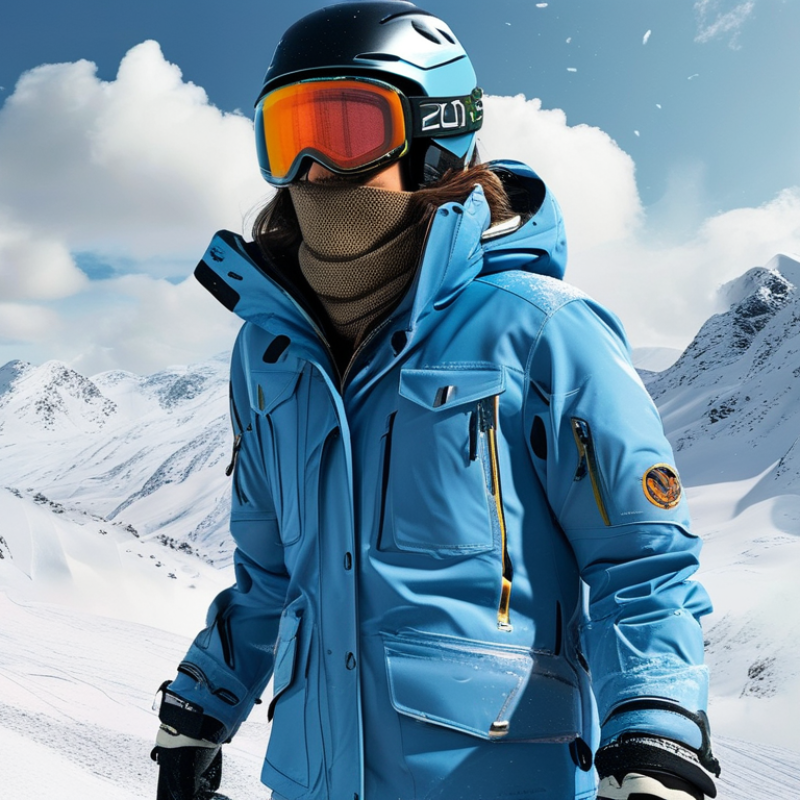
For resort skiing, choose a lightly insulated jacket with a powder skirt and a helmet-compatible hood. It suits lift rides, wind exposure, and short downhill bursts. Dry snow needs loft. A shell jacket works better for ski touring, where uphill effort creates heat. Add a removable mid-layer for changing altitude. The International Ski Federation’s equipment guidance emphasizes mobility and weather protection, useful priorities for active buyers.

Wet coastal climates demand waterproof fabrics, sealed seams, and adjustable cuffs. A 20,000 mm water-resistance rating can help during prolonged snowfall, though laboratory figures rarely mirror worn garments. This is where product testing matters. The European Environment Agency reports declining snow reliability across many European mountain areas, with strong regional variation. Buyers may therefore need a flexible three-layer system rather than one heavy coat.

For very cold continental climates, insulated parkas protect better during long pauses and slow activities. Down offers high warmth with low weight, but synthetic insulation keeps working after dampness. The World Meteorological Organization confirmed 2024 as the warmest year recorded, reminding planners that “cold-weather” demand is becoming less predictable. I would not trust one jacket for every destination. That assumption fails in rain.

Key Sizing, Safety, and Sustainability Factors for Buyers

2026 Best Snow Jacket Types for Global Buyers?

Choosing a snow jacket starts with use, not appearance. Resort jackets suit lift lines, while insulated jackets help during long, cold waits. Shell jackets work better for touring, wet snow, and changing activity levels. In my field experience, buyers often underestimate wind exposure on chairlifts.

Sizing needs more than chest measurements. Compare the garment chart with your body measurements, then allow room for a base layer and thin fleece. Sleeve cuffs should cover the wrist when arms are extended. The hood should fit over a helmet without blocking side vision. No sizing chart is perfect. Regional measurements also differ, so confirm centimeters and inches before ordering. A jacket that feels comfortable indoors may restrict movement outdoors.

Safety details deserve close inspection. Look for secure closures, reflective panels, powder skirts, and adjustable cuffs. Choose waterproof ratings that match local snowfall and rain, not only marketing claims. Sealed seams matter during wet storms. Bright colors can improve visibility in crowded or low-light areas. Sustainability requires practical checks: recycled fibers, durable fabric, repairable parts, and clear care instructions. A long-lasting jacket may create less waste than a cheaper replacement, but recycled content alone proves little. Check independent testing, material disclosures, and warranty terms. I still find trade-offs: heavier insulation improves warmth, yet increases pack weight and drying time.