What Are Casual Outfits?

Casual Outfits are everyday clothing combinations chosen for comfort, ease, and the setting. They might include straight-leg jeans, a cotton T-shirt, clean sneakers, and a light jacket. The pieces do not need to be expensive or perfectly coordinated. They should feel practical and look intentional. Comfort matters. So does context.

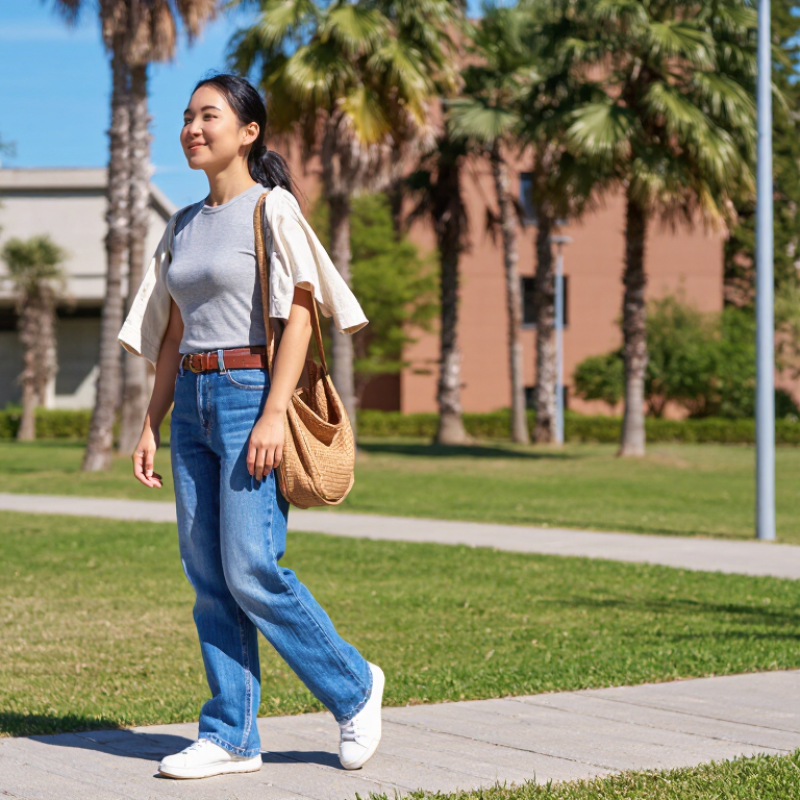
“Casual” does not mean the same thing everywhere. A relaxed outfit for a weekend walk may feel too informal for a workplace or dinner invitation. Check the occasion, weather, and any dress guidance before choosing what to wear. Fit also changes how clothes look and feel: sleeves that allow movement, trousers that sit comfortably, and shoes suited to the day can make a simple outfit more useful. Small choices count. A belt, knit layer, or textured bag can add interest without making the outfit complicated.

This guide explains common casual clothing, how to combine pieces, and where everyday style meets smart-casual dress. It also considers practical details such as layering, fabric care, and footwear. There is no universal formula, and advice about fit can overlook differences in body shape, mobility, climate, or personal taste. That is worth questioning. Use the examples as starting points, then notice what works during a real day—not just in a mirror or photograph.
What Are Casual Outfits?

Definition and Purpose of Casual Outfits

Casual outfits are clothing choices designed for everyday comfort, ease, and practical movement rather than formal occasions. They might include a soft cotton shirt, straight-leg trousers, and clean sneakers, or a knit sweater layered for a cool commute. The exact mix depends on setting: casual at a desk may still look polished, while casual at home can be much more relaxed. The purpose is not to look careless. It is to feel comfortable while matching the expectations of the place and activity. There is no single universal definition, and that can make the category a little confusing.

Industry data helps explain the appeal. Grand View Research estimated the global athleisure market at US$358.07 billion in 2023, reflecting demand for clothing that combines everyday wear with comfort and movement. Athleisure is only one part of casual clothing, not a synonym for it. Still, the figure points to a broader preference for adaptable pieces. A casual outfit can reduce dressing effort, support movement through a busy day, and let personal style show without formal structure. Comfort alone is not enough, though; a stretched hem or shoes unsuited to the day can make an outfit feel less intentional.

Tips: Start with the activity and weather. Choose one comfortable base, then add a layer for changing temperatures. Check fit and condition in natural light. Small details matter. A useful outfit should feel easy, but “easy” does not mean every choice works.

What Are Casual Outfits? — Definition and Purpose of Casual Outfits
Dimension Description Examples Purpose or Consideration
Definition Casual outfits are informal clothing combinations chosen for comfort and ease rather than formal dress codes. A simple top with trousers, jeans, a skirt, or shorts. The exact meaning of “casual” varies by setting, culture, season, and personal preference.
Everyday casual Practical clothing intended for routine activities and relaxed environments. T-shirt or sweater, jeans or comfortable trousers, and everyday shoes. Offers freedom of movement and is easy to wear for errands, informal meetups, or time at home.
Smart casual A neat, polished style that sits between everyday casual clothing and formal business attire. A collared shirt or blouse with tailored trousers, a clean skirt, or a simple dress. May suit some dinners, social events, and workplaces, but expectations differ; check the occasion’s dress guidance.
Common clothing pieces Versatile garments that can be combined in different ways. Tops, shirts, knitwear, jeans, trousers, skirts, casual dresses, and lightweight outerwear. Choosing pieces that fit well and work together can make dressing simpler without requiring formal clothing.
Footwear and accessories Finishing items selected to suit comfort, activity, weather, and the overall look. Sneakers, flats, sandals, a belt, a scarf, or a practical bag. Footwear should be appropriate for the activity and conditions; some venues may require more formal or specialized shoes.
Typical settings Places and occasions where formal attire is not required. Relaxed social gatherings, shopping, travel, and many everyday activities. Casual clothing may not be suitable for ceremonies, formal events, safety-sensitive work, or settings with a specific dress code.
Main purpose To provide a comfortable, practical way to dress while expressing individual style. Mixing familiar, easy-to-wear garments according to personal taste and the day’s plans. A good casual outfit balances comfort, appropriateness, weather, and the expectations of the setting.

Common Clothing Items and Key Features

What Are Casual Outfits?

Common Clothing Items and Key Features

Casual outfits combine everyday pieces that support comfortable movement without looking careless. Common choices include T-shirts, relaxed button-up shirts, jeans, chinos, knitwear, simple skirts, and comfortable dresses. Sneakers, flat shoes, and practical sandals often complete the look. A cotton T-shirt feels breathable on a warm afternoon, while a lightweight sweater helps when indoor air-conditioning feels chilly. Small details matter. Check seams, pockets, and closures for comfort and durability.

Fit and fabric shape how an outfit works throughout the day. Clothes should let you sit, walk, and reach without constant tugging. A shoulder seam that pulls can make even a soft shirt uncomfortable. Denim and twill usually hold their shape, while jersey and cotton blends offer more stretch. Neutral colors make pieces easier to combine, but a bright scarf or patterned shirt adds personality. Consider the setting: clothing for errands may differ from what feels suitable at a relaxed office. Not every comfortable item works everywhere. Some trousers wrinkle quickly, so notice how the fabric behaves after a few hours of wear.

Popular Types of Casual Outfits

Casual outfits usually combine comfort with enough structure to look intentional. Popular types include everyday basics, smart casual, athleisure, and relaxed weekend layers. Everyday basics might pair a cotton T-shirt with straight-leg trousers and clean sneakers. Smart casual adds a crisp shirt, fine-knit sweater, or unstructured jacket. Athleisure mixes joggers or leggings with breathable layers for errands and light activity. Keep it practical. A useful test is whether each piece works in at least two outfits. Still, that rule can make dressing feel like homework.

Fabric and fit often matter more than following a trend. Try a soft overshirt over a plain tee, or add a belt to balance loose trousers. A denim jacket can make a simple dress feel more relaxed. McKinsey and Business of Fashion’s The State of Fashion 2024 projected global fashion growth of 2–4% in 2024, a modest outlook that makes versatile clothing a sensible choice. That figure covers fashion broadly, not casualwear alone. The report is useful context, not proof that one outfit type is best. Comfort also depends on the day: a roomy hoodie works for travel, but may feel too warm indoors. I get that wrong sometimes. Check the weather, fabric weight, and how long you will be wearing each layer.

How to Choose an Outfit for Comfort and Style

A casual outfit works when it feels good after hours, not just in a mirror. Start with the day’s demands: walking, sitting, changing weather, or carrying a bag. Choose a soft T-shirt, relaxed trousers, and shoes you can comfortably wear on your usual route. Cotton Incorporated’s 2023 Global Lifestyle Monitor survey found that 80% of consumers named cotton their favorite fiber to wear. That preference makes sense for everyday comfort, though fabric alone cannot guarantee a good fit. Check the seams, waistband, and sleeve openings. Nothing should pinch when you bend or reach.

Then add one detail that makes the outfit feel intentional. A clean overshirt, a simple belt, or a color that suits your mood can do enough. Keep proportions balanced: pair roomy trousers with a neater top, or a loose shirt with straighter-leg bottoms. I still sometimes choose shoes because they look right, then regret them halfway through a walk. That counts as useful feedback. Try the full outfit at home, sit down, and take a few steps before leaving.

Comfort is personal. If a fabric feels scratchy in the store, it probably will not improve during a long afternoon. Check care labels too; an outfit that needs constant special handling may not suit a busy routine. Style should feel lived in, not performed.

What Are Casual Outfits? Choosing Comfort and Style

Casual outfits pair everyday pieces—such as T-shirts, jeans, and relaxed trousers—for ease and personal style. Fabric can affect how a garment feels: this chart compares typical moisture-regain values for common apparel fibers. Higher values mean the fiber absorbs more moisture under standard textile-testing conditions, but they do not guarantee greater comfort.

Typical reference values: cotton 8.5%, linen 12%, wool 16%, nylon 4.5%, and polyester 0.4%. Actual values can vary by fiber and fabric construction.

Casual Dress Codes for Different Occasions

Casual outfits shift with the occasion. For errands, try straight-leg trousers, a soft cotton shirt, and clean sneakers. A weekend lunch may call for dark jeans and a lightweight knit. Small choices matter: neat hems and comfortable shoes make relaxed clothes look intentional. Fit matters more.

At work, check the written dress code before choosing an outfit. A 2023 ResumeBuilder survey of 1,000 U.S. business leaders reported that 41% of companies used a business-casual code, while 23% allowed casual dress. That is a useful signal, not a universal rule. For a meeting, a simple jacket over a plain top can add polish without feeling stiff. On a video call, check the neckline and lighting too.

For dinner or a family celebration, consider the setting and how dressed-up other guests may be. A clean shirt, dark trousers, and understated accessories can bridge casual and smart-casual. Travel needs a different balance: breathable layers, pockets, and shoes that handle long walks. I still find this tricky. “Casual” can mean different things to different people, so when in doubt, ask the host or organizer.