Top 10 Summer Dresses for Every Occasion?
Summer Dresses can make warm-weather dressing easier, but the right choice depends on your plans, climate, and comfort. An airy cotton midi may suit a farmers’ market, while a neat wrap dress feels at home at a garden lunch. Fabric, fit, and care matter as much as color. Heat, humidity, and long walks can quickly expose a dress that looked perfect on a hanger. Small details count. Look for breathable fabric, secure straps, useful pockets, and hems that stay clear of dusty sidewalks. Check the care label, too; delicate fabrics may need more attention than a busy week allows.
This guide explores ten Summer Dresses for different occasions, from relaxed daytime outings to dinners, celebrations, and work settings with a casual dress code. Each style has trade-offs. A flowing maxi can feel elegant, yet prove awkward on crowded transit; a fitted dress may look polished, but feel restrictive in midday heat. There is no single choice for every body or event. That is worth remembering. The suggestions focus on practical features, versatile styling, and details you can assess before buying, such as fabric weight, lining, and ease of movement. Use them as a starting point, then consider your own routine and preferences. Sometimes the dress you reach for most is not the most striking one. It is simply comfortable enough to wear all day.
Defining Summer Dresses and Their Key Features
A summer dress is a lightweight garment designed for warm weather, but the label alone does not guarantee comfort. Fabric, cut, and construction matter. Breathable cotton, linen, and some blends can help heat escape. A loose weave often feels cooler than a dense one. Still, linen wrinkles quickly, and cotton can stay damp after a humid walk. That trade-off is easy to overlook.
Key features include airflow, a comfortable fit, and practical coverage. Sleeveless or short-sleeved shapes expose more skin, while a flowing skirt allows easier movement. Check seams and lining, too. A fully lined dress may feel warmer; an unlined one can be see-through in bright sunlight. Neckline, hem length, and pockets affect how well a dress works for a picnic, commute, or evening meal. There is no single ideal style. Personal comfort varies, and even a promising fabric can feel scratchy against sensitive skin.
Tips: Hold the fabric toward a window to check its opacity. Sit, reach, and walk before choosing a fit. If you expect a long day outside, consider a hat and comfortable shoes. Don’t judge a dress by appearance alone.
Top 10 Summer Dresses for Every Occasion? - Defining Summer Dresses and Their Key Features
| Occasion |
Dress Style |
Common Fabric |
Key Features |
Practical Notes |
| Everyday errands |
Cotton shirt dress |
Cotton or cotton blend |
Button-front opening, relaxed shape, and often a collar or pockets. |
Easy to layer; check whether the fabric needs ironing. |
| Beach day |
Loose cover-up dress |
Cotton voile, linen, or lightweight rayon |
Airy fit and an easy-to-pull-on design, often with a shorter or flowing cut. |
Offers light coverage but is not a substitute for sunscreen. |
| Outdoor picnic |
A-line sundress |
Cotton poplin or lightweight cotton blend |
Fitted or shaped upper section with a skirt that widens toward the hem. |
Allows ease of movement; consider the hem length for sitting outdoors. |
| Warm-weather workday |
Sleeved midi dress |
Lightweight woven cotton, linen blend, or viscose |
Knee-to-mid-calf length with sleeves and a relatively structured shape. |
Check workplace dress guidelines and whether the fabric is lined. |
| Garden party |
Floral fit-and-flare dress |
Cotton lawn, viscose, or lightweight polyester |
Defined waist and a skirt that flares outward; prints are common but optional. |
Choose a comfortable lining and footwear suited to grass or uneven ground. |
| Casual brunch |
Wrap dress |
Jersey, viscose, or a lightweight woven blend |
Overlapping front panels that fasten with ties or a closure at the waist. |
Check coverage when sitting or moving; an inner snap can help keep the neckline secure. |
| City sightseeing |
T-shirt dress |
Cotton jersey or cotton blend |
Simple pull-on construction with a knit feel and a relaxed silhouette. |
Comfortable for walking; a breathable fabric can feel better in heat. |
| Summer wedding guest |
Occasion midi dress |
Chiffon, crepe, or lightweight satin |
More refined finish, with a midi-length skirt and optional draping or pleats. |
Follow the invitation dress code and avoid white if requested by the hosts. |
| Travel day |
Knit tank dress |
Cotton jersey or a stretch knit blend |
Soft, flexible fabric and a straightforward shape that is easy to layer. |
Check the care label and pack a light layer for air-conditioned spaces. |
| Evening gathering |
Slip dress |
Lightweight satin or silk |
Simple draped shape, often with narrow shoulder straps and a smooth finish. |
Consider layering and check the garment for transparency in bright light. |
Fabric names describe common options; breathability, care needs, and comfort vary by weave, blend, and garment construction.
Ten Popular Summer Dress Styles for Different Occasions
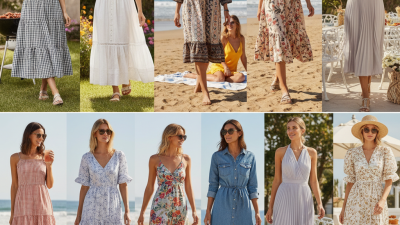
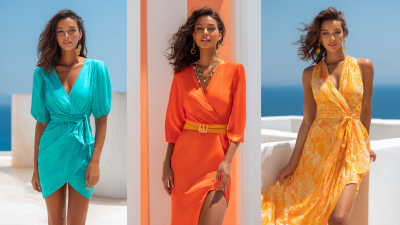
A useful summer wardrobe starts with dresses that suit real plans, not just photographs. A cotton sundress works for market mornings, while a crisp shirt dress feels at home at casual lunches. A wrap dress adjusts easily for changing comfort. For beach walks or outdoor dinners, a flowing maxi dress offers coverage without feeling heavy. A slip dress can suit an evening event, especially with a light layer when the temperature drops.
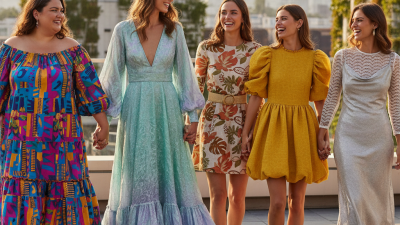
For daytime gatherings, an A-line dress leaves room to move, and a fit-and-flare style adds shape without restricting your steps. A linen dress is a breathable choice for warm commutes, though it wrinkles quickly; that is part of its appeal, but not everyone likes it. A tiered dress brings movement to picnics and garden parties. An off-the-shoulder style suits relaxed celebrations, while a simple sleeveless shift is practical for travel and busy days. Fit matters more than the label on the occasion.
Tips: Check the fabric in bright daylight and sit down before buying. Look for pockets if you need them. Keep shoes in mind, too; a hem that clears sandals may catch on sneakers. Small comfort details matter.
Matching Dress Silhouettes to Casual, Work, and Formal Settings
For casual summer plans, match the dress shape to the day’s movement. A loose A-line cotton dress works for markets and park lunches; add flat sandals and a light layer for cool evenings. The U.S. Bureau of Labor Statistics’ 2023 Consumer Expenditure Survey puts annual apparel and services spending at about $2,000 per consumer unit. A dress that shifts easily between settings can help make each purchase work harder. Keep it easy. Check that the hem stays comfortable when you sit, too.
For work, a knee-length shirt dress or softly tailored midi looks polished without feeling stiff. Choose a breathable lining and a neckline that stays put when you lean over a desk. For formal events, a column or fit-and-flare silhouette creates a cleaner outline; a woven fabric and simple earrings add finish without extra fuss. McKinsey and The Business of Fashion’s State of Fashion 2024 report forecast modest global fashion growth of 2–4%, a reminder that shoppers may value versatile pieces. I still find formal dress codes vague, so check the invitation before choosing a dramatic cut.
Tips: Try the dress with the shoes you’ll actually wear. Sit, walk, and raise your arms. If the fabric clings or the straps slip, the silhouette may not suit the occasion.
Choosing Breathable Fabrics, Fits, and Practical Details
A summer dress should feel comfortable after an hour outdoors, not just look appealing on a hanger. For warm days, check the fabric’s weight and weave: cotton voile and linen often allow airflow, while a full synthetic lining can trap heat. Linen creases quickly. That may be part of its charm, but it can look rumpled after a commute. Hold the fabric toward the light to spot thin areas, and check whether the lining still feels breathable. Small details matter.
Fit is practical, not just visual. Sit, reach, and take a few steps before choosing a dress; a skirt that rides up or a neckline that shifts can make an afternoon uncomfortable. Adjustable straps, elastic panels, and side slits can help, provided they feel secure and do not pull. For travel or errands, pockets should hold small essentials without dragging the fabric down. For a garden gathering, a softer skirt may feel easy; for a dinner, a defined waist can look more polished. I sometimes prioritize pockets and regret the added bulk. It depends on the day. Check care instructions, too: a dress that needs delicate washing may not suit frequent wear.
Styling and Caring for Summer Dresses Throughout the Season
A summer dress works best when its fabric suits the day. Cotton poplin feels crisp for a market stroll, while soft linen moves easily in warm air. For a garden lunch, add flat sandals and a light layer for cool shade. Keep accessories simple. A woven bag can hold sunscreen, sunglasses, and a small water bottle without weighing down the look.
For an afternoon celebration, a midi dress with a defined waist feels polished but comfortable. Try a breathable slip underneath if the fabric is sheer, and check how the dress moves when you sit. I have learned that a beautiful outfit can become fussy after an hour in the sun. That detail matters. A loose shirt over a sleeveless dress can also provide coverage during a breezy walk or a long ride home.
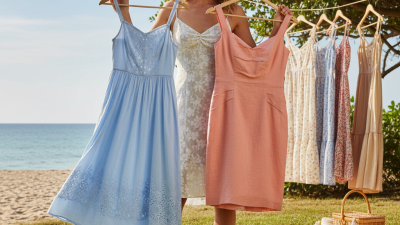
Care shapes how often a dress stays in rotation. Read its care label before washing; fabrics and finishes can need different treatment. Turn garments inside out, use a gentle cycle when appropriate, and avoid crowding the machine. Air-dry dresses on a hanger or flat rack, away from harsh midday sunlight, which may fade colors. Treat small stains promptly with cool water, but test a hidden area first. Linen may wrinkle again by lunchtime. That is not always a problem. A quick steam before wearing can smooth the fabric without making summer dressing feel like a chore.
10 Summer Dress Occasions: Styling Versatility
An editorial guide rating how easily each dress occasion can be styled for different summer plans, from 1 (less versatile) to 5 (more versatile).
Keep summer dresses fresh by following each garment’s care label, washing only when needed, and air-drying when suitable. A light layer and comfortable shoes can help adapt a dress for changing plans.