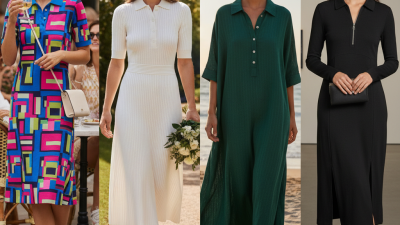
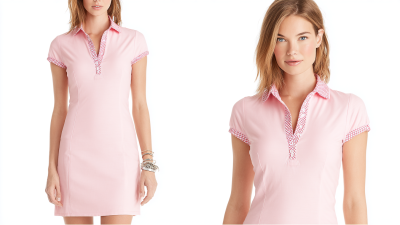
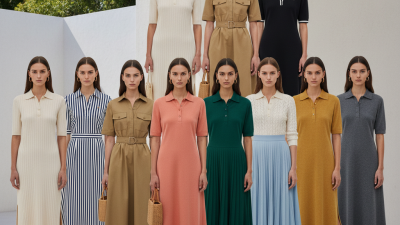
In recent years, the Polo Dress has become a staple in women’s fashion across China. This versatile garment merges comfort with elegance. As we look towards 2026, the Polo Dress will undoubtedly evolve, reflecting changes in lifestyle and preferences.
Trends are influenced by culture, climate, and consumer behavior. For example, the popularity of sustainable fabrics is growing. Shoppers are now looking for eco-friendly Polo Dresses that are stylish and responsible. The desire for individuality is also shaping designs. Unique patterns and bold colors will emerge, pushing traditional boundaries.
These trends indicate a shift in the market. Companies must adapt to meet consumer demands. However, not all trends will resonate with every buyer. Some may find certain styles impractical. This discrepancy calls for a deeper understanding of what consumers truly want in a Polo Dress. Fashion is about expression, and navigating this landscape requires continual reflection and adaptation.
In 2026, the polo dress is expected to evolve significantly in China. The shifting fashion landscape emphasizes versatility and comfort. According to a recent industry report, the casual wear market in China is projected to grow by 8% CAGR from 2023 to 2026. Polo dresses are at the forefront of this trend, reflecting a blend of style and practicality.
Key characteristics of popular polo dresses will include breathable fabrics and sustainable materials. The focus on eco-friendly choices resonates with the increasing demand for sustainable fashion among Chinese consumers. Reports indicate that about 70% of millennials prioritize sustainability in their purchasing decisions. Additionally, vibrant colors will dominate the scene, catering to a younger audience eager for expression.
Furthermore, customization will play a significant role in attracting consumers. Many young shoppers desire unique designs that reflect their personal style. While some brands have ventured into personalized options, there remains a gap in accessibility for many consumers. This gap presents both a challenge and an opportunity for the industry to explore. As trends come and go, adaptability to consumer needs will be crucial for success in the ever-evolving Chinese fashion market.
| Trend | Description | Key Features | Target Audience | Color Palette |
|---|---|---|---|---|
| Sustainable Fabrics | Dresses made from eco-friendly materials to promote sustainability. | Eco-friendly, Breathable, Soft Texture | Environmentally conscious consumers | Earth Tones, Pastels |
| Athleisure Style | Combining sporty elements with casual dress aesthetics. | Flexible, Comfortable, Functional | Young adults and fitness enthusiasts | Bold Colors, Neon Accents |
| Vintage-Inspired | Fashion influenced by past decades, especially the 70s and 90s. | Retro Patterns, High Waists, A-line Cuts | Fashion enthusiasts | Muted Tones, Floral Prints |
| Layered Looks | Creative layering with other garments for versatility. | Versatile, Mix-and-match, Textural | Trendsetters and creatives | Contrasting Colors, Textures |
| Bold Prints | Eye-catching designs that make a statement. | Geometric, Floral, Abstract | Daring individuals | Vibrant Colors |
| Length Variations | Different lengths from mini to maxi for diverse styling. | Midi, Maxi, Mini Styles | All age groups | Classic Colors, Mix & Match |
| Monochrome Looks | Single-color outfits for a chic modern vibe. | Sleek, Stylish, Cohesive | Minimalists | Solid Colors |
| Tailored Fit | Dresses that emphasize a tailored silhouette. | Structured, Flattering, Professional | Working professionals | Neutral Tones |
| Innovative Cuts | Unique designs that stand out with unusual shapes. | Asymmetrical, Cut-outs, Peplum | Fashion-forward individuals | Various Color Combinations |
| Functional Details | Incorporating practical elements like pockets and adjustable straps. | Functional, Stylish, Practical | Practical consumers | Subtle Colors, Classic Schemes |
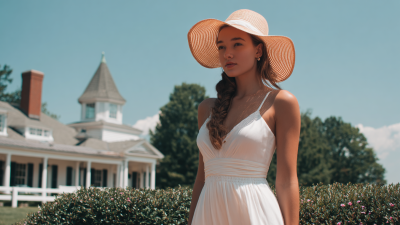
In 2026, polo dress trends in China will be shaped by vibrant colors and intricate patterns. Key colors like emerald green, sunny yellow, and deep navy will dominate wardrobes. These shades reflect a shift towards bold self-expression and individuality. Each color tells a story, capturing both the wearer's personality and the cultural landscape.
Pattern-wise, floral and abstract designs will be significant. Floral prints evoke a sense of freshness, while abstract patterns bring an edge. The mix of these designs allows for creativity and unique styling. Minimalistic looks will still have their place, focusing on solid colors and clean lines for a sophisticated appeal.
Reflecting on these trends, one might notice a lack of variety in fabric choices. Many may feel limited to cotton blends or polyester. This could hinder personal expression and sustainability. Furthermore, the emphasis on bold colors might not suit everyone. Finding the perfect balance between trend and personal style remains a challenge. Experimentation will be essential to find what truly resonates with each individual.
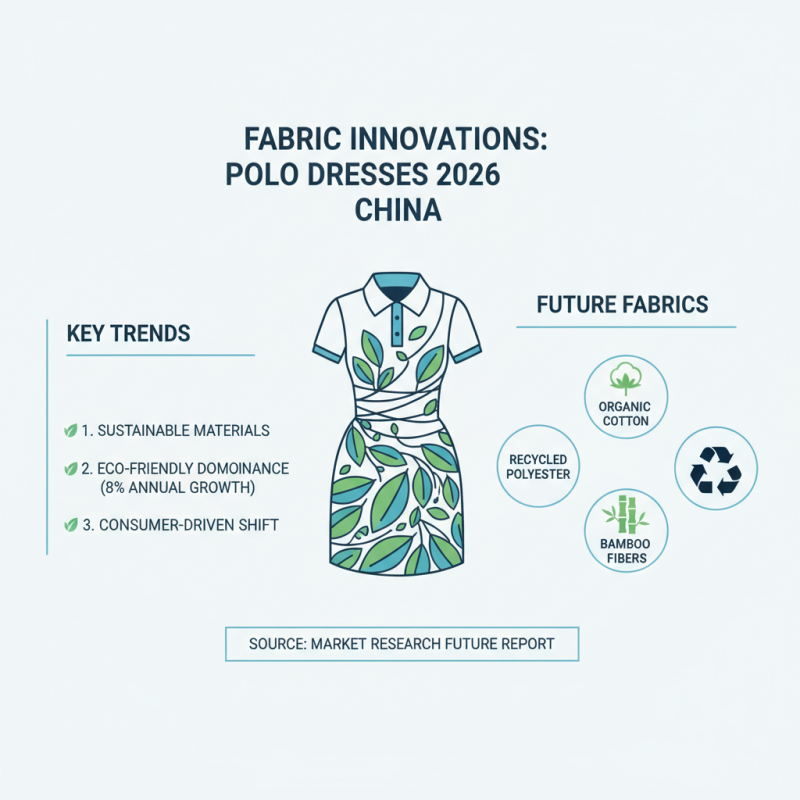
In 2026, fabric innovations will significantly influence polo dress trends in China. Sustainable materials are gaining traction. A report by Market Research Future notes that eco-friendly fabrics could dominate the market, with a projected growth rate of 8% annually. As consumers prioritize sustainability, brands will shift toward organic cotton, recycled polyester, and bamboo fibers.
Not only will these fabrics help the environment, but they will also enhance comfort and durability. Innovative textile treatments can improve moisture-wicking abilities and breathability, making polo dresses suitable for various activities. Sizing technology is evolving, allowing for better fits that cater to diverse body types.
Tips: Consider fabric composition when choosing a polo dress. Look for blends that offer both style and functionality. Also, keep an eye on brands that prioritize ethical sourcing and production. This not only supports sustainable practices but also increases garment longevity. A thoughtful approach to fashion will ensure that your wardrobe remains relevant and stylish.
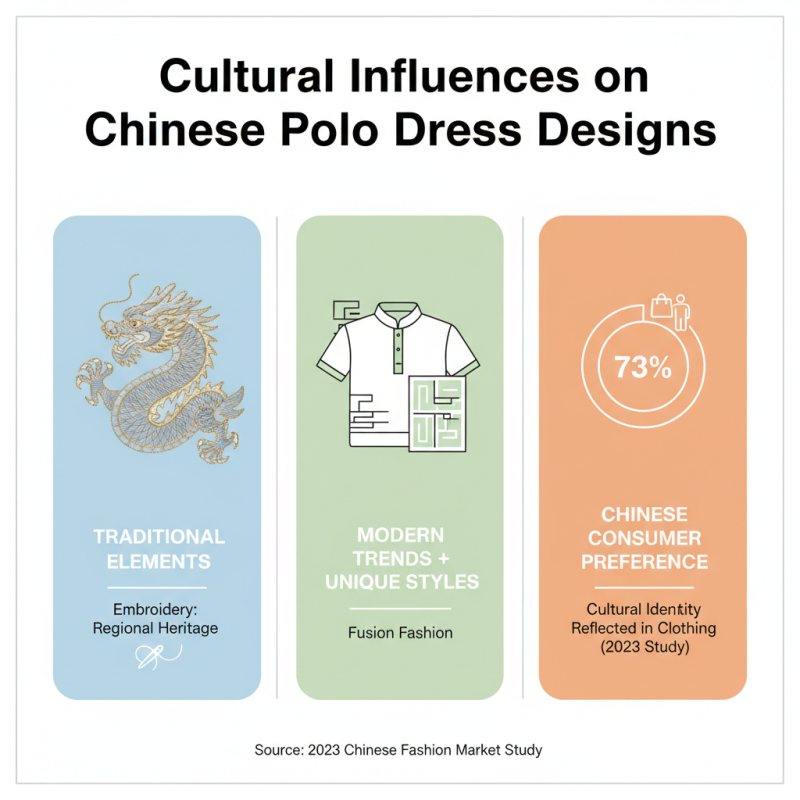
The cultural landscape in China profoundly shapes polo dress designs. Traditional elements blend with modern trends, creating unique styles. For instance, embroidery often highlights regional heritage, appealing to younger consumers. A recent study shows that 73% of Chinese fashion shoppers prefer clothing that reflects their cultural identity.
Sustainability is a major factor influencing design choices. Consumers are increasingly aware of environmental impacts. Reports indicate that 58% of fashion buyers consider eco-friendly materials essential. Designers are incorporating organic fabrics and sustainable production methods. This shift not only meets market demand but also honors cultural values of harmony with nature.
However, some challenges persist in the industry. There is a tension between traditional craftsmanship and fast fashion demands. The desire for instant trends often undermines quality and authenticity. Furthermore, young designers struggle to break into the market, facing competition from established brands. Reflecting on these issues can lead to better practices and a richer cultural expression in fashion.
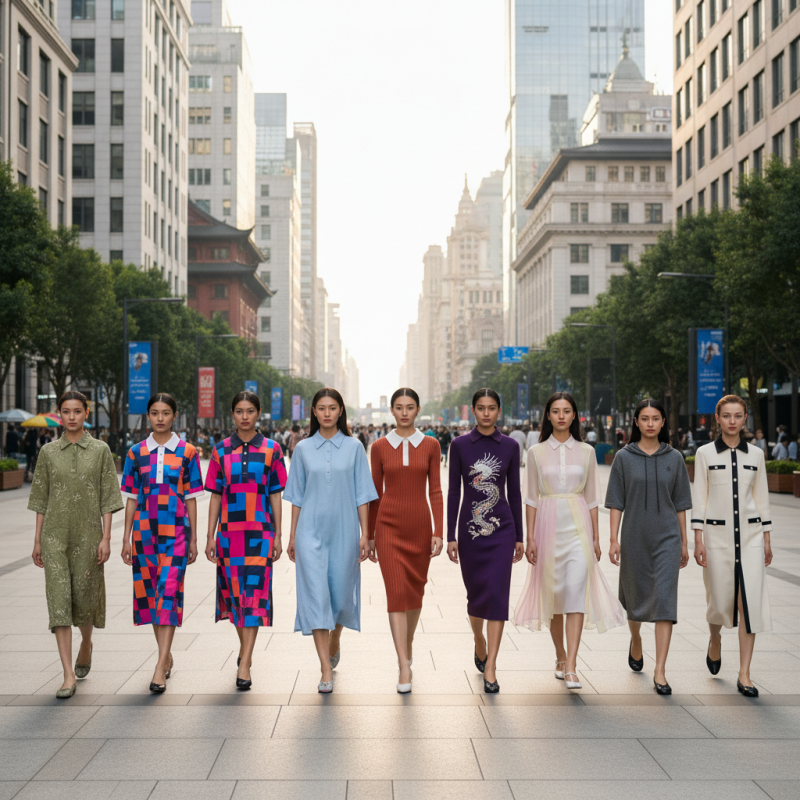
In 2026, the polo dress gains immense popularity in China. Fashion icons lead this trend, influencing consumer choices nationwide. Notably, the sector is projected to grow by 8% annually, according to a recent market analysis. The fusion of traditional styles and modern designs makes these dresses appealing to all age groups.
Young designers often showcase innovative cuts and fabric blends. Many draw inspiration from Chinese culture while integrating global fashion elements. This cross-cultural blend enhances the unique appeal of polo dresses. Moreover, a rapid rise in e-commerce platforms has made these styles more accessible.
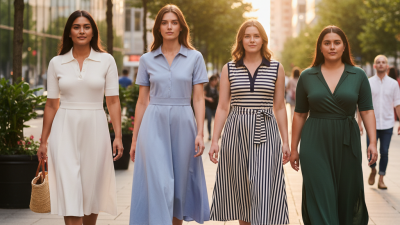
However, this trend has its challenges. Some styles may not translate well across different body types. It's essential for brands to focus on inclusivity and versatility. Consumer feedback highlights a need for more size options. As the market evolves, brand responsiveness will be crucial in maintaining relevance.