Why Are Plus Size Dresses in High Demand This Year?
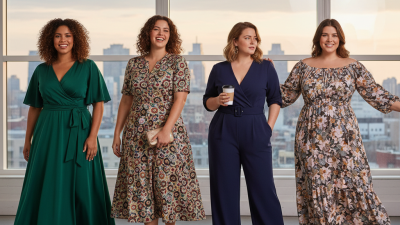
The fashion industry has witnessed a significant shift towards embracing diversity and inclusivity. This year, the demand for Plus Size Dresses has surged like never before. This change reflects a growing recognition of body positivity and the need for representation in the clothing market. Many brands are now focusing on curating styles that cater specifically to plus-size consumers, moving beyond traditional sizing norms.
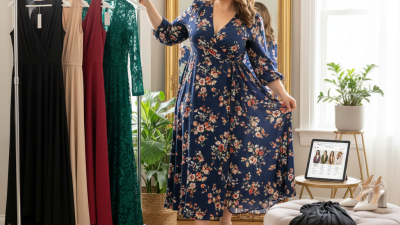
Plus Size Dresses are being designed with enhanced creativity and variety. From bold prints to elegant silhouettes, there are options for every occasion. This year, we see an emphasis on comfort without sacrificing style. Many consumers appreciate the blend of trendiness and accessibility. However, the market still has room for improvement. Many brands struggle with consistent size standards, leading to customer frustration.
The demand for Plus Size Dresses also encourages brands to showcase diverse models, which helps all consumers feel seen. As we embrace these shifts, it’s crucial to recognize the ongoing challenges. While progress is evident, there are still gaps in quality and fit that need addressing. As we analyze this trend, it’s essential to reflect on both the successes and the areas needing attention.
The Rise of Body Positivity and Its Impact on Fashion Trends
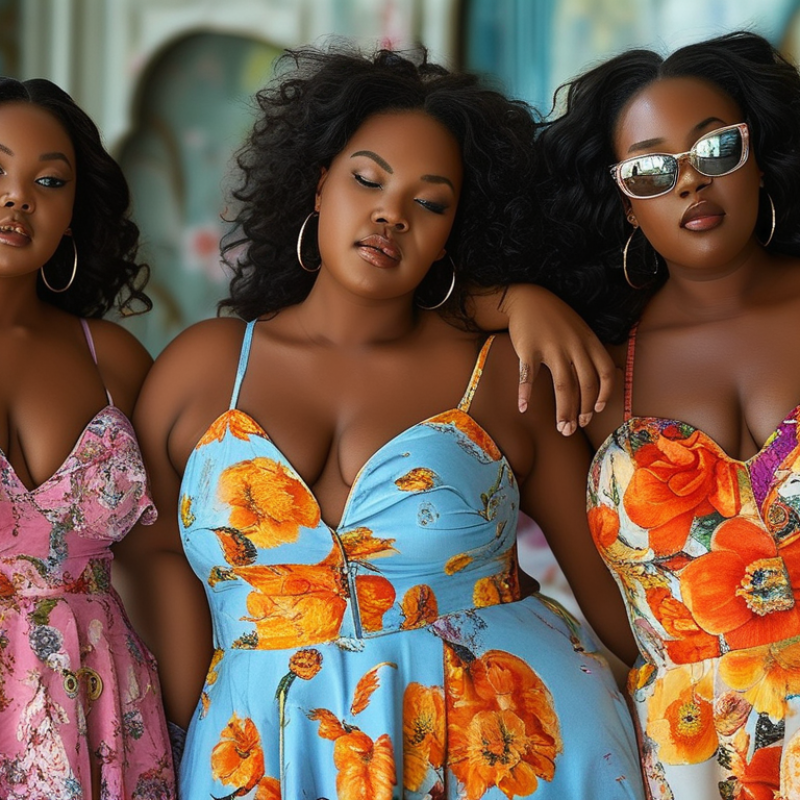
The body positivity movement has transformed the fashion landscape. This year, plus size dresses are more popular than ever. According to a recent report by the NPD Group, plus size clothing sales increased by 20% over the past year. Consumers are now seeking clothing that celebrates diverse body shapes. This shift stems from a growing acceptance of different sizes and representations in media.
Fashion brands are increasingly embracing this change. They are now offering a wider range of sizes and styles. The influence of social media cannot be ignored. Influencers championing body positivity have reached millions. Their impact drives the demand for inclusive fashion choices. However, challenges remain. Not all brands prioritize ethical production or quality, raising questions for consumers.
**Tip**: Look for brands that align with your values. Research their production practices and commitment to body positivity.
The demand for plus size dresses reflects a significant cultural shift. Yet, some consumers still face barriers in finding stylish options. Size diversity in fashion should be the norm, not the exception.
**Tip**: Don’t settle for the first choice. Explore different brands and styles until you find what suits you best.
Body positivity is redefining industry standards. The momentum behind this change is powerful, yet the journey continues.
Why Are Plus Size Dresses in High Demand This Year?
This chart illustrates the growing demand for plus size dresses over the past four years. The rise in body positivity has significantly influenced fashion trends, leading to a steady increase in search interest for plus size options, reaching a peak in 2023.
Shifts in Consumer Preferences for Inclusive Size Offerings
The demand for plus-size dresses has surged this year, reflecting a significant shift in consumer preferences. More shoppers are seeking inclusive size offerings that celebrate diverse body types. This change is driven by a growing awareness of body positivity and a desire for clothing that fits well and feels comfortable. Many individuals in larger sizes have struggled to find fashionable attire that meets their needs. This year, the landscape seems to be changing.
One reason for this shift is the increasing representation of plus-size models in fashion. Social media has amplified voices calling for diversity in size and style. More brands are responding to this demand, but there is still room for improvement. Not all plus-size collections offer the same quality or trendiness as standard lines. Consumers are becoming discerning shoppers, often disappointed by subpar options. They want garments that not only fit well but also reflect their personal style.
As more people advocate for inclusivity, it's essential for the industry to listen. There is a delicate balance between meeting demand and ensuring quality and style. Continued dialogue in fashion circles is vital, as is greater transparency about size specifications. Finding solutions to these ongoing challenges will ultimately shape the future of plus-size fashion.
The Role of Influencers and Social Media in Fashion Choices
Social media has transformed the fashion landscape. Influencers play a vital role in this change. They showcase plus-size dresses, making them more accessible. With their reach, these influencers connect with a diverse audience.
Many influencers openly share their fashion struggles. They highlight how finding trendy plus-size clothing can be challenging. This honesty resonates with followers. It encourages self-acceptance and body positivity. The portrayal of diverse body types in their posts helps normalizes various sizes.
However, the constant comparison on social media can also create anxiety. Some users may feel pressured to conform to certain looks. It’s essential to remember that fashion is personal. The influence of social media should enhance self-expression, not hinder it. The demand for plus-size dresses speaks to a growing need for inclusion and representation in the fashion industry.
Innovations in Fabric and Design Catering to Plus Size Market
The demand for plus-size dresses has surged this year, primarily due to innovations in fabric and design. Designers are now focusing on materials that offer both comfort and style. Stretchy fabrics like jersey and spandex are becoming staples, providing a flattering fit for diverse body types. Breathable materials enhance the wearer's experience, especially during warmer months. These innovations cater to the active lifestyles of plus-size individuals, emphasizing functionality without sacrificing aesthetics.
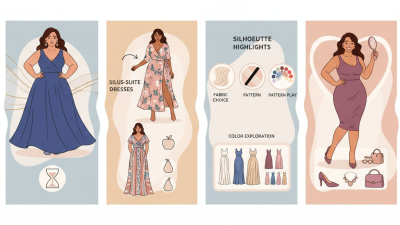
Additionally, the design landscape is evolving. Look for unique cuts and daring patterns that challenge traditional notions of plus-size fashion. Many dresses now feature cinched waists, flowing skirts, and asymmetric hems, which create a visually appealing silhouette. The focus on inclusivity is evident. Yet, some designs still miss the mark, lacking attention to detail. For example, the fit may not be universally flattering, leading to frustration among shoppers. The journey toward truly inclusive fashion remains ongoing, with each advancement revealing areas for improvement.
Market Growth and Economic Factors Driving Demand for Plus Size Dresses
The demand for plus size dresses is experiencing remarkable growth this year, driven by several economic factors. Reports indicate that the global plus-size apparel market is expected to reach $576 billion by 2028, expanding at a CAGR of 5.5%. This surge reflects changing societal attitudes toward body positivity and inclusivity. As more consumers seek options that acknowledge diverse body types, retailers are responding with broader size ranges.
Economic factors play a crucial role. With a notable increase in average income levels and a shift toward healthier body images, consumers are more willing to invest in clothing that fits well and makes them feel confident. Additionally, a survey by the Fashion Institute of Technology found that 67% of plus-size women express frustration over limited availability in stylish options. This gap in the market presents a remarkable opportunity for growth and innovation.
Brands are increasingly aware of this demographic's purchasing power. Sales data from recent seasons reveals that plus-size clothing sales have outpaced average market growth by nearly 22%. However, the industry faces challenges, such as inconsistent sizing standards and a lack of variety. To sustain this momentum, brands must commit to inclusivity, ensuring their offerings reflect the diversity of their consumer base while addressing these existing shortcomings.