How to Choose the Perfect Snow Jacket for Your Winter Adventures?
Choosing the perfect snow jacket for winter adventures is essential for comfort and safety. Renowned outdoor expert Dr. Emily Frost, known for her extensive research in winter gear, famously said, “A good snow jacket is your first line of defense against harsh winter conditions.”
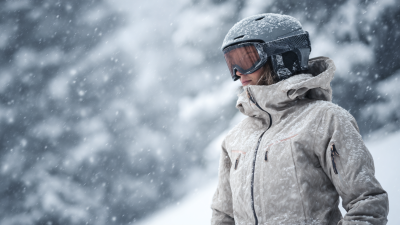
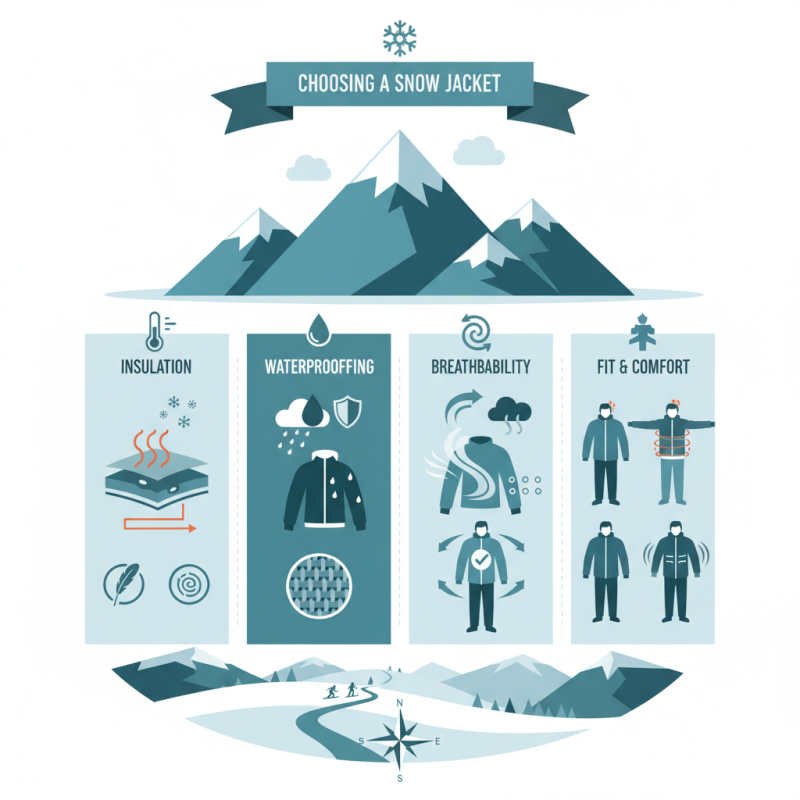
When faced with freezing temperatures and unpredictable weather, selecting the right snow jacket can make or break your experience. Consider elements like insulation, waterproofing, and breathability. Your jacket needs to protect you while allowing freedom of movement. Each aspect plays a role in your overall comfort and enjoyment on the slopes or during a snowy hike.
Many individuals overlook the fit and comfort of their snow jackets. A jacket that is too tight limits mobility, while one that is too loose may let cold air in. Finding the right balance is often challenging. Aim for a snow jacket that feels just right, even if it takes more time to find. The right choice enhances your winter experience, making it memorable for all the right reasons.
Understanding the Different Types of Snow Jackets Available in the Market
When selecting a snow jacket, it’s crucial to understand the various types available. The market primarily offers three categories: insulated jackets, shell jackets, and 3-in-1 jackets. Insulated jackets provide maximum warmth with built-in thermal layers, often using synthetic or down insulation. According to the Outdoor Industry Association, around 45% of winter apparel sales are insulated jackets, highlighting their popularity.
Shell jackets, on the other hand, prioritize weather resistance while remaining lightweight. They are often made with advanced materials like Gore-Tex. These jackets are perfect for layering. The demand for shell jackets has increased by 25% in recent years, as more outdoor enthusiasts seek versatile options for different activities. Breathability is a key feature here; however, some users find them not warm enough for extreme climates.
3-in-1 jackets combine both insulated and shell features. Users can adapt to changing weather by removing or adding layers. Despite their versatility, many find them bulky or confusing to wear correctly. It's essential to test how all components fit together. Understanding these options helps in making an informed choice and ensures that you’ll be prepared for your winter adventures.
Comparison of Snow Jacket Features
Key Features to Look for in a Snow Jacket for Optimal Performance
Choosing the perfect snow jacket is essential for winter adventures. There are key features that significantly impact performance. Look for materials that offer waterproofing and breathability. According to the Outdoor Industry Association, 70% of skiers prefer jackets with a breathable membrane. This keeps you dry while allowing sweat to escape.
Insulation is essential too. Synthetic insulation or down options work well, depending on your activity level. Studies show that jackets with efficient insulation can maintain warmth even in extreme conditions. Weight and packability also matter. A lighter jacket can increase mobility and comfort on long hikes.
**Tip:** Consider a jacket with adjustable features. Cuffs and hoods that can be tailored enhance fit and warmth.
Pay attention to pockets as well. Effective storage for essentials like snacks or maps is crucial. A poorly designed jacket can result in discomfort or inconvenience during your trip. Test the range of motion, and always consider fit over style.
**Tip:** Select jackets that fit snugly but allow layering underneath. This helps maintain warmth and flexibility.
How to Choose the Perfect Snow Jacket for Your Winter Adventures?
| Feature |
Description |
Importance |
| Waterproofing |
Prevents moisture from entering, keeping you dry. |
Essential for staying warm and dry in snow conditions. |
| Breathability |
Allows sweat and moisture to escape, preventing overheating. |
Important for comfort during high-intensity activities. |
| Insulation |
Maintains body heat in cold conditions. |
Crucial for warmth during winter excursions. |
| Fit |
Well-fitted jackets allow for better movement and layering. |
Affects comfort and performance. |
| Pockets |
Provides storage for essentials like gloves, goggles, and snacks. |
Enhances convenience on the slopes. |
| Ventilation |
Zippers or openings that allow airflow during rides. |
Helps regulate body temperature. |
| Hood |
Provides additional protection against snow and wind. |
Increases warmth and protection. |
How to Choose the Right Insulation for Your Snow Jacket Needs
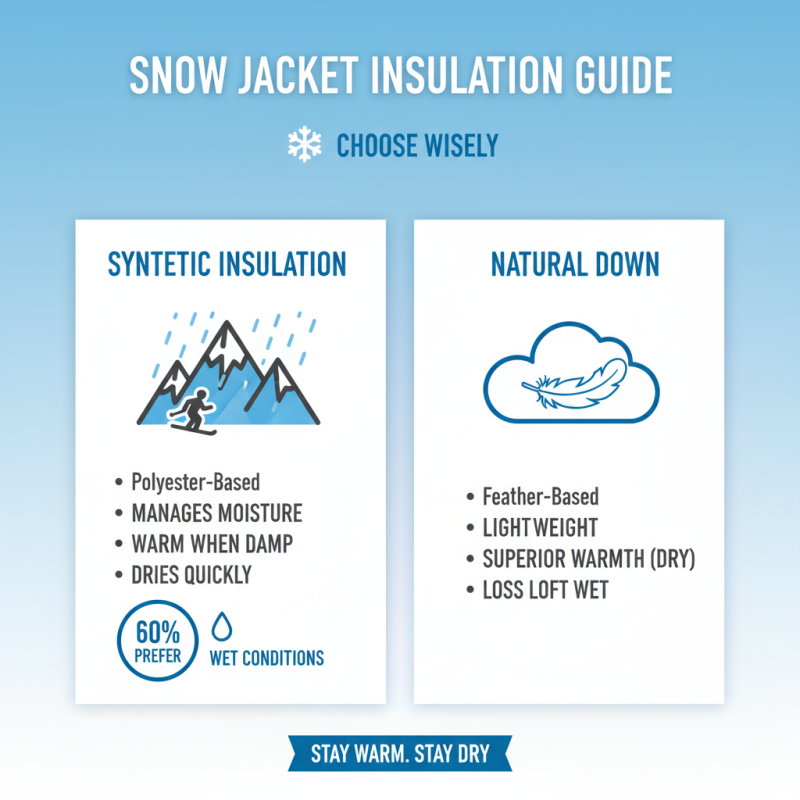
When selecting insulation for a snow jacket, understanding material types is crucial. Synthetic insulation, such as polyester, offers effective moisture management. Reports indicate that 60% of outdoor enthusiasts prefer synthetic materials for their better performance in wet conditions. These jackets dry quickly and maintain warmth, even when damp.
Down insulation, however, delivers unparalleled warmth-to-weight ratios. According to a 2022 survey by the Outdoor Industry Association, 70% of mountaineers rate down insulation as their top choice for extreme cold. It compresses easily, making it a favorite for backpacking. Yet, down requires careful maintenance to retain its insulation properties. If it gets wet, it loses much of its warmth.
Choosing the right insulation often involves trade-offs. Balancing weight, warmth, and water resistance can be challenging. An optimal jacket might include a mix of synthetic and down insulation, catering to both wet and dry conditions. However, some jackets may sacrifice breathability or comfort to enhance warmth. Consider your specific needs and environmental conditions while making a decision.
Selecting the Best Waterproof and Breathable Fabrics for Snow Jackets
Choosing the right fabric for a snow jacket is crucial for comfort and performance. Look for materials that are waterproof and breathable. Waterproofing ensures you stay dry when exposed to snow or wet conditions. Breathability prevents moisture build-up from sweat, keeping you warm and comfortable.
Common fabrics include Gore-Tex and nylon blends. These materials offer excellent waterproofing while allowing air circulation. Check the fabric's breathability rating. A higher rating indicates better moisture management. Remember to consider the jacket's seams and zippers; these areas can be potential weak points for water intrusion.
Personal experience matters. A poorly chosen jacket can lead to discomfort during outdoor adventures. It's essential to test the jacket in various weather conditions. Compare how it responds to both snow and body heat. Reflect on your needs: do you prioritize warmth or mobility? Understanding your priorities can guide you to the ideal fabric choice.
Finding the Perfect Fit and Style for Comfort During Winter Adventures
Choosing the right snow jacket is crucial for winter adventures. The fit and style can greatly impact your comfort and mobility. A well-fitted jacket allows for easy movement while keeping you warm. Consider trying on various sizes, as brands often vary.
Aim for a snug fit without restricting your range of motion. Pay attention to the shoulders and sleeves; they should allow for lifting and stretching.
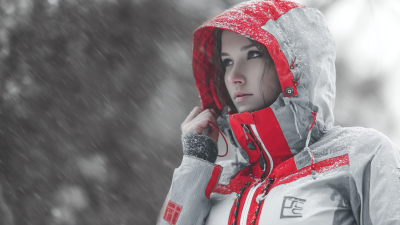
When it comes to style, think about your personal preferences. Do you lean toward bright colors or neutral tones? Choose a design that reflects your personality. Many jackets come with added features like hoods and pockets.
These can enhance both functionality and style. However, be careful not to compromise on warmth for aesthetics. A jacket with too many bells and whistles might look great but fail in harsh conditions.
Evaluate your jacket regularly. Inspect for wear and tear, especially after a demanding season. Sometimes, what seemed perfect at the start may not remain suitable after a few trips. Reflect on your experiences and adjust your criteria for future purchases.
The right snow jacket should support both your style and outdoor pursuits. Remember, comfort is key, but personal style shouldn’t be overlooked.