2026 Top Bodycon Dress Trends for Global Buyers

The 2026 Bodycon Dress market is moving beyond simple body-hugging silhouettes. Global buyers are watching fabric recovery, inclusive grading, and comfort after extended wear. Shoppers want a defined waist, but they also expect movement, breathability, and dependable sizing across regions.

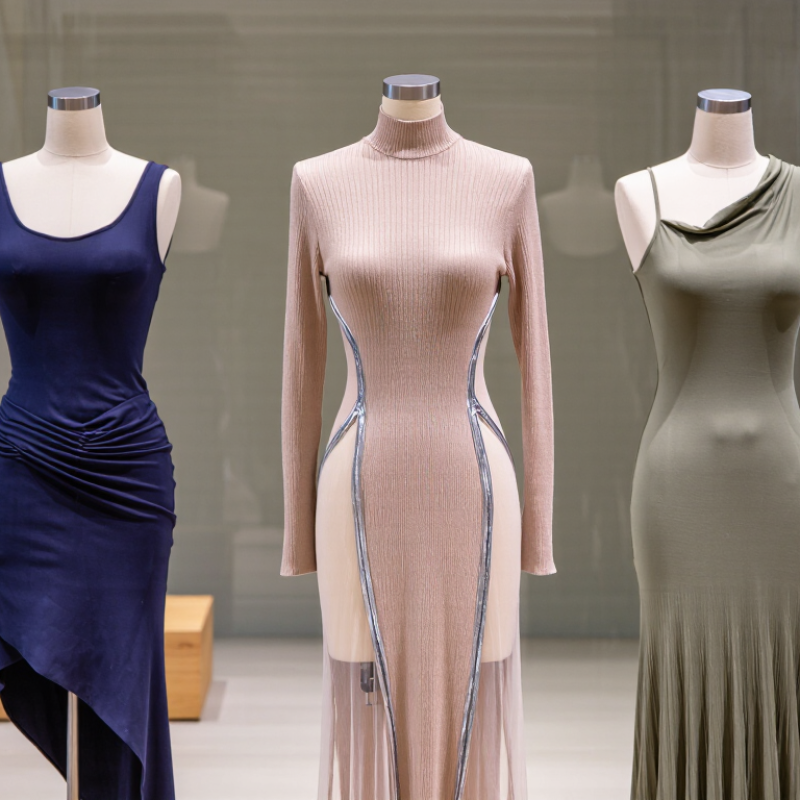
Fashion historian Valerie Steele observes, “Fashion is a form of ugliness so intolerable that we have to alter it every six months.” Her remark explains why this category keeps changing. In 2026, buyers may see sculpting jersey, soft rib knits, sheer layering panels, asymmetric seams, and restrained metallic finishes. These details refresh the Bodycon Dress without sacrificing its recognizable shape.

The strongest collections will balance visual impact with measurable product quality. A dress should recover after sitting, resist unwanted transparency, and maintain its color after repeated washing. Small details matter. Check seam tension. Test zipper strength. Review size charts with real measurements. Regional preferences also require attention, because neckline depth, hem length, and fabric weight may perform differently in different markets.

Some forecasts may overstate novelty. Not every cutout or reflective thread will become a lasting commercial trend. Buyers should remain cautious. Compare sample performance, customer feedback, and return data before scaling orders. A beautiful sample can still disappoint on a crowded sales floor. The better 2026 strategy is not chasing every trend, but selecting wearable innovation with reliable production standards.
2026 Top Bodycon Dress Trends for Global Buyers

Market Scope: Women’s Apparel Reached $1.39T in 2023 (Fortune Business Insights)

2026 Top Bodycon Dress Trends for Global Buyers

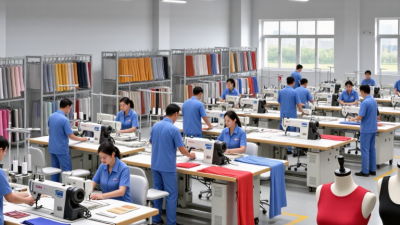
Women’s apparel reached $1.39 trillion in 2023, according to Fortune Business Insights. This scale shows why bodycon dresses deserve careful attention from global buyers. Demand is shifting toward pieces that combine shape, comfort, and repeat wear. A tight silhouette alone is no longer enough. Buyers are reviewing fabric recovery, lining quality, seam strength, and size consistency before placing larger orders.

The 2026 direction favors sculpting jersey, soft rib knits, and lightweight stretch fabrics. Matte finishes may suit daytime collections, while subtle shine can support evening demand.

Buyers should also examine breathable constructions for warmer markets. A dress that photographs well may still feel uncomfortable after two hours. That gap matters.

Color planning is becoming more practical.

Black, espresso, deep red, stone, and muted blue can support longer selling periods. Adjustable straps, double-layer panels, and flexible waist sections can reduce fit concerns. Petite and extended-size grading needs real testing, not only digital measurements. Small errors become expensive across international shipments.

I have found that sample reviews often reveal problems that product sheets miss. Still, trend forecasts are imperfect. Regional climate, modesty preferences, and local purchasing power can change results quickly. Careful buyers should compare fit samples, wash tests, and customer feedback before committing to high-volume production.
Growth Context: Global Apparel Market CAGR Estimated at 4.0% Through 2030 (GVR)

2026 Top Bodycon Dress Trends for Global Buyers

The global apparel market is projected to grow at a 4.0% CAGR through 2030, according to Grand View Research. This expansion creates room for bodycon dresses across different price levels and regions. However, demand will not move evenly. Buyers should study climate, sizing habits, daily routines, and local shopping data before placing large orders.

In 2026, sculpted knit, matte jersey, and soft stretch fabrics are likely to remain commercially useful. Adjustable ruching can improve fit and reduce return risks. Asymmetric seams, square necklines, and longer midi lengths add visual interest without excessive production complexity. Breathable materials may perform better in warm markets. A tight silhouette can photograph well, but it may fail during a long workday. That detail deserves more attention.

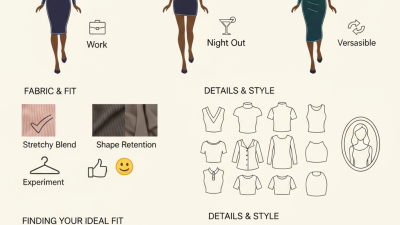
Tips for global buyers: Request fabric recovery tests, wash samples, and measurements from several size points. Check opacity under direct light. Compare fit on different body shapes, not only standard samples. Small size gaps can become costly across regions. Yet forecasts are not promises. Consumer preferences may shift faster than production calendars, so flexible quantities and modest test launches remain practical choices.

Material Signal: Polyester Comprised 57% of Global Fiber Output in 2023 (TE)

2026 Top Bodycon Dress Trends for Global Buyers

Material Signal: Polyester Comprised 57% of Global Fiber Output in 2023 (TE)

Bodycon dresses in 2026 are moving toward sharper structure and more controlled stretch. Expect square necklines, asymmetric ruching, and clean waist shaping. Polyester remains central to this direction. Textile Exchange’s Materials Market Report 2024 recorded polyester at 57% of global fiber production in 2023. Total fiber output reached approximately 124 million tonnes.

That scale matters for sourcing teams. Polyester supports consistent sizing, fast drying, and strong color retention. These qualities suit fitted dresses with sculpted seams and compact rib textures. Buyers should examine fabric weight, stretch recovery, and opacity under direct light. A beautiful sample can fail after repeated wear.

Small details matter.

Recycled polyester represented roughly 12% of polyester production in 2023, according to the same Textile Exchange report. The figure signals progress, but it also demands closer verification. Request transaction certificates, fiber-content testing, and production records from suppliers. Textile Exchange’s preferred-fiber data can guide questions, but it does not replace product-level checks.

A practical 2026 assortment may combine matte polyester jersey with glossy panels or semi-sheer layers. However, excessive shine can make lower-quality fabric look cheaper. This is easy to overlook on digital samples. Buyers should test garments under studio lighting, daylight, and movement. The trend is promising, yet polyester alone does not guarantee comfort, durability, or responsible sourcing.

2026 Bodycon Trends: Sculpting Knits, Sheer Layers, Metallics, and Cutouts

2026 Top Bodycon Dress Trends for Global Buyers

For 2026, bodycon dressing is moving beyond simple stretch jersey. Sculpting knits use compact ribs, shaped seams, and controlled recovery to frame the waist and hips. In fitting reviews, I look for even tension across the bust and seat. A dress should contour without creating shiny stress lines. That difference matters. Buyers should request fabric composition, GSM, stretch tests, and size-grading data before confirming production. Softness alone is not enough.

Sheer layers are adding depth without hiding the silhouette. Mesh sleeves, translucent yokes, and organza-like panels can create a lighter evening look. The strongest designs place opacity where movement and coverage matter most. Check seam stability around transparent sections. Small flaws show quickly. Metallic yarns and foil finishes bring a liquid flash, especially under showroom lighting. Yet excessive shine can emphasize wrinkles, so swatches should be tested in daylight and flash photography. Metallic surfaces may also require careful washing guidance and colorfastness checks.

Cutouts are becoming more precise, with angled openings at the waist, ribs, or back. Their placement must follow real body movement, not only a flat sketch. Ask suppliers to test sitting, walking, and reaching. I have seen attractive samples lose balance when the wearer moves. That is a useful warning. For global buyers, review labeling, fiber disclosure, flammability requirements, and local fit expectations before sampling. A bold trend still needs dependable construction, clear measurement charts, and realistic delivery planning.

2026 Top Bodycon Dress Trends for Global Buyers

2026 Bodycon Trends: Sculpting Knits, Sheer Layers, Metallics, and Cutouts

Trend Direction Core Design Features Recommended Fabric & Construction Commercial Positioning Best Climate / Season Buyer-Sensitive Details Suggested Color Direction Key Product KPI
Sculpting Knits Close-fitting silhouettes with engineered rib placement, contour panels, square necklines, long sleeves, and midi or maxi lengths. Viscose, nylon, polyester, or blended stretch yarns; compact rib structures; elastane or mechanical stretch; fully fashioned or seamless details where possible. Elevated day-to-evening product with a premium hand feel and strong repeat-wear potential. Transitional weather, autumn, winter, and air-conditioned indoor markets. Check recovery after wear, opacity under stretch, pilling resistance, seam comfort, and fit consistency across sizes. Espresso brown, charcoal, black, deep burgundy, oat, and muted olive. Fit return rate; recovery and pilling test results; repeat-order performance.
Sheer Layering Semi-transparent mesh, tulle, or fine jersey overlays combined with lining panels, tonal slips, asymmetric hems, or layered necklines. Polyamide or polyester mesh, lightweight stretch jersey, soft tulle, and bonded or clean-finished seams for reduced bulk. Occasion, resort, festival, and evening dressing with a versatile styling proposition. Spring, summer, resort, and warm-climate evening use; layering supports cooler markets. Define coverage clearly; provide lining or coordinated underlayers; test snag resistance, seam strength, and colorfastness. Black, ivory, skin tones, smoke grey, soft blush, and saturated jewel shades. Sell-through by styling option; return rate related to transparency; snag and seam-failure rate.
Liquid Metallics Body-skimming silhouettes with reflective surfaces, foil effects, metallic yarns, shimmer jersey, or strategically placed high-shine panels. Metallic knit, coated jersey, lurex-blend yarns, foil-print applications, or low-profile sequins; use stretch linings where needed. High-impact party, occasion, nightlife, and holiday product designed for visual merchandising and social content. Autumn/winter party periods, holiday capsules, evening events, and warm-weather resort nightlife. Test crocking, wash durability, foil cracking, tarnishing, scratch resistance, and comfort against the skin. Silver, liquid gold, pewter, bronze, chrome, copper, and metallic black. Surface durability after care testing; event-season sell-through; markdown exposure.
Refined Cutouts Controlled openings at the waist, shoulder, side seam, back, or décolletage, supported by asymmetric straps, twist details, and shaped panels. Stretch jersey, ponte, compact rib, power mesh, and double-layered fabrics; reinforce opening edges with clean binding or stable facing. Fashion-forward occasion and going-out product with a stronger statement than a basic bodycon dress. All-season; lighter fabrics suit spring and summer, while layered or long-sleeve versions suit autumn and winter. Prioritize bust support, bra compatibility, secure edge finishing, movement comfort, and size-graded opening dimensions. Black, optic white, tomato red, cobalt blue, emerald, and chocolate brown. Fit-related returns; customer review sentiment on support and coverage; size-level conversion.
Hybrid Bodycon Combines two or more directions, such as sculpting knit with sheer sleeves, metallic panels with cutouts, or a fitted dress with detachable layering. Use compatible stretch and recovery levels across fabrics; stabilize high-stress joins and keep lining, closures, and seam allowances comfortable. Higher-fashion statement item that can increase basket value when supported by coordinated accessories or layering pieces. Flexible across climates when offered in both lightweight and insulated fabrications. Validate fabric compatibility, wash-care instructions, color matching, seam behavior, and production consistency at every join. Monochrome tonal stories, black-and-metallic, neutral-and-sheer, and strong color-block combinations. Full-price sell-through; cross-selling rate; production defect rate at fabric junctions.

Buyer quality checklist: Confirm fiber composition and care labeling, test stretch recovery and opacity, conduct colorfastness and pilling checks, grade fit carefully across the size range, and verify regional requirements for fiber disclosure and garment safety before production.

Buyer Framework: Regional Demand, MOQ, Landed Cost, Compliance, and Fit KPIs

2026 Top Bodycon Dress Trends for Global Buyers

Global buyers should treat 2026 bodycon trends as testable demand signals, not guaranteed sales. Regional preferences vary sharply. Warm markets often favor breathable blends, lighter weights, and shorter silhouettes. Cooler regions may accept heavier fabrics and layered styling. Review search data, past sell-through, and local size curves before placing orders. My sourcing experience suggests that visual appeal rarely compensates for poor regional fit.

MOQ decisions should match market evidence. A smaller pilot order reduces inventory risk, but it may increase unit cost and limit fabric choices. Negotiate color-based MOQs where possible. Calculate landed cost carefully, including production, freight, duties, inspection, packaging, and currency movement. A low factory price can become expensive after delivery. Watch the details.

Compliance needs written control. Check fiber content, care labels, packaging information, restricted substances, and applicable flammability requirements for each destination. Keep approved samples and supplier test records together. Requirements can differ by market, and assumptions create avoidable delays. Independent checks are worth considering when the order value is high.

Fit KPIs should include return rate, size-exchange rate, measurement deviation, stretch recovery, opacity, and seam performance. Test samples on different heights and body shapes, not only one model. Record results by size and color. One uncomfortable armhole can damage repeat orders. Data can disagree. If customer comments conflict with sales figures, investigate before scaling production.